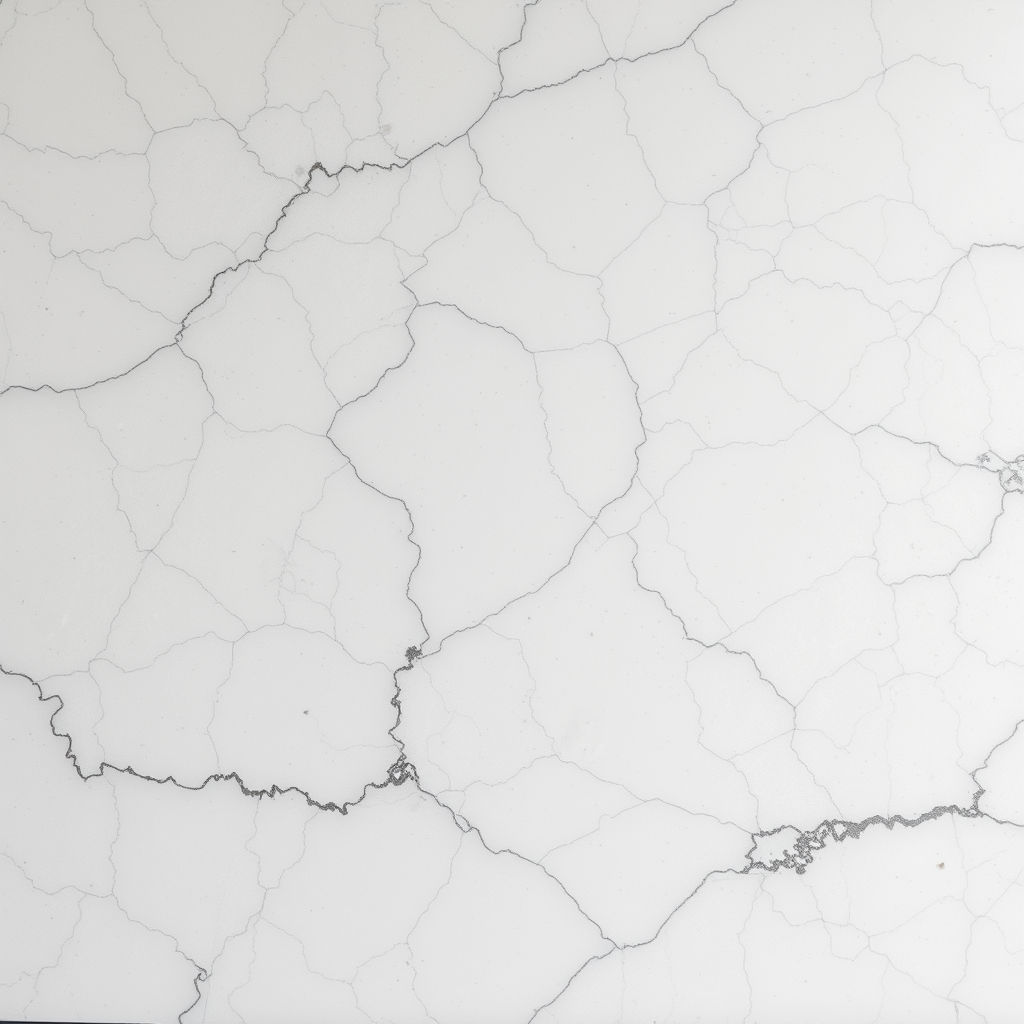


Kitchen Benchtop Crack Repair Explained

A crack across a stone benchtop rarely starts as a big problem. More often, it begins as a fine line near a sink, cooktop, corner or seam - then slowly becomes impossible to ignore. In many cases, kitchen benchtop crack repair is a practical alternative to full replacement, but the right outcome depends on what caused the damage, where it sits, and how early it is assessed.
Stone benchtops are built to handle daily use, but they are not indestructible. Engineered stone, marble, granite and quartz-based surfaces all have strong points and weak points. A repair that looks straightforward on the surface can involve structural movement underneath, heat stress, poor support, seam separation, impact damage or a fabrication issue that has only just become visible.
That is why a proper diagnosis matters before anyone reaches for filler, adhesive or a DIY kit.
When kitchen benchtop crack repair is possible
Not every crack means the benchtop needs to come out. Many stone cracks can be stabilised, filled, re-bonded and blended so the damage becomes far less noticeable, sometimes near invisible. The key question is not simply whether the crack exists, but whether the surrounding stone is stable enough to hold a lasting repair.
Hairline cracks, impact fractures, seam-related splits and cracks around cut-outs are often repairable on site. This is especially true when the benchtop is otherwise in good condition and the damaged section has not shifted significantly. If the stone can be brought back into alignment and the repair material is colour-matched properly, the visual result can be excellent.
Where it gets more complex is when the crack is tied to cabinet movement, inadequate support, expansion pressure, or long-term water damage around sinks and tap penetrations. In those cases, repairing the visible line without correcting the cause is only a short-term fix.
What causes stone benchtops to crack?
A crack usually tells a story. The challenge is working out which one.
Weak points around sinks and cooktops
The narrow strips of stone in front of and behind sinks are common fracture zones. So are cooktop cut-outs, especially if there is minimal stone left around the opening. These areas carry more stress than most people realise. Add daily use, slight cabinet movement or an accidental knock, and the stone can give way.
Impact damage
A heavy pot dropped in the wrong spot can chip the edge or trigger a crack line through the surface. With engineered stone in particular, an impact can create a visible break plus hidden stress lines that need close inspection before repair work begins.
Heat and thermal stress
Stone handles normal kitchen use well, but direct or concentrated heat can still cause trouble. Placing very hot cookware straight onto the benchtop, especially near cut-outs or joins, can contribute to stress fractures. This depends on the material, the thickness, the substrate and the surrounding conditions.
Seam failure and movement
Where two sections of benchtop meet, the join needs to be properly aligned and bonded. If a seam opens, shifts or loses strength, the surrounding stone can crack or separate. Sometimes the issue is in the seam itself. Sometimes the seam is only the first visible sign of movement below.
Poor installation or inadequate support
Stone needs consistent support. If cabinets are uneven, rails are missing, cut-outs are oversized, or the substrate is compromised, pressure can build over time. The crack may appear suddenly, but the cause has often been sitting there for months or years.
Why DIY crack repair often falls short
Plenty of off-the-shelf products promise a quick fix. The problem is that stone benchtop repairs are rarely just about filling a line.
A visible crack has to be cleaned, stabilised and bonded correctly. The resin or adhesive has to suit the material. The colour has to be matched with care. The repaired area then needs levelling, finishing and polishing so it sits naturally within the surrounding surface. If movement is still present, a cosmetic fill alone will usually fail.
DIY attempts also tend to leave telltale signs - cloudy resin, mismatched colour, overfilled edges, dull patches or a crack that still catches the light from across the room. On premium surfaces such as Caesarstone, Smartstone, marble and granite, that kind of result can be more frustrating than the original damage.
What a professional repair involves
Good repair work starts with assessment, not assumptions. The first step is identifying the stone type, crack pattern, location and likely cause. A straight hairline near a sink can be very different from a jagged impact fracture on an island edge, even if they look similar in a photo.
Stabilising the damaged area
If the stone has shifted, it may need to be carefully brought back into position before bonding. If there is movement in the cabinetry or substrate, that may need attention first. Without stability, even the best cosmetic finish will not hold.
Bonding and filling
Specialist repair materials are used to rejoin the cracked section and fill any gaps. This stage is about more than strength. It also sets up the final appearance, so colour and translucency need to be handled with precision.
Surface finishing and blending
Once cured, the repaired area is cut back, levelled and polished to match the existing finish as closely as possible. Honed, matte and polished surfaces all behave differently here. On patterned or veined stone, blending the repair into the visual character of the slab takes real skill.
This is where specialist experience makes the biggest difference. A structurally sound repair is essential, but on a kitchen benchtop the look matters just as much.
Can all cracks be made invisible?
Not always, and any honest specialist should say so.
Some kitchen benchtop crack repair jobs can be blended to a near-original finish. Others can be made discreet, but not completely undetectable at close range. The final result depends on the stone colour, pattern, finish, crack width, location and whether any material is missing.
For example, a fine crack in a lightly patterned engineered stone may blend extremely well. A larger break through a bold marble vein or a dark polished surface may still remain faintly visible in certain light. That does not mean the repair has failed. It means the goal is to restore strength and appearance as far as the material allows.
The right expectation is not perfection under a torch at 10 centimetres. It is a repaired benchtop that looks right in a real kitchen, functions properly, and avoids unnecessary replacement.
When replacement may be the better option
There are cases where repair is not the smartest path. If the benchtop has extensive cracking across multiple sections, severe structural instability, major water ingress, or widespread fabrication problems, replacement may offer better value long term.
The same applies when previous repair attempts have contaminated the crack or caused additional damage. Sometimes a section replacement is possible instead of a full benchtop replacement, but that depends on access, material availability and whether a satisfactory colour match can be achieved.
This is one of those situations where it depends. A premium repair specialist should tell you plainly when a crack is repairable, when it is marginal, and when replacement is the more responsible recommendation.
How to protect your benchtop after a crack repair
A quality repair should restore confidence in the surface, but a few sensible habits help protect the result.
Avoid placing extreme heat directly onto the stone. Use boards rather than chopping on the surface itself. Take care with heavy cookware around sink rails, cut-outs and exposed corners. If you notice movement in cabinets, widening seams or silicone failure around sinks, deal with it early before more pressure transfers into the stone.
It is also worth remembering that cracks are often most repairable when they are still clean and stable. Leaving them exposed to moisture, food oils and ongoing stress can make the job harder and the result less refined.
Why specialist experience matters
Stone repair sits in a narrow space between cosmetic finishing and structural understanding. That matters because the best result comes from treating both at the same time. You are not just hiding damage. You are restoring a finished surface that people see and use every day.
For homeowners who have invested in quality stone, the appeal of on-site repair is obvious - less disruption, less cost than replacement in many cases, and a chance to keep the original benchtop. But that only works if the repair is approached with the right materials, the right judgement and the right level of finish.
That is the standard ChipFix works to across NSW, especially on premium engineered stone and natural stone surfaces where poor repair work stands out straight away.
If your benchtop has cracked, the most useful next step is simple: have it assessed before it spreads, before someone tries a quick patch, and before a repairable problem turns into a replacement job.


Comments