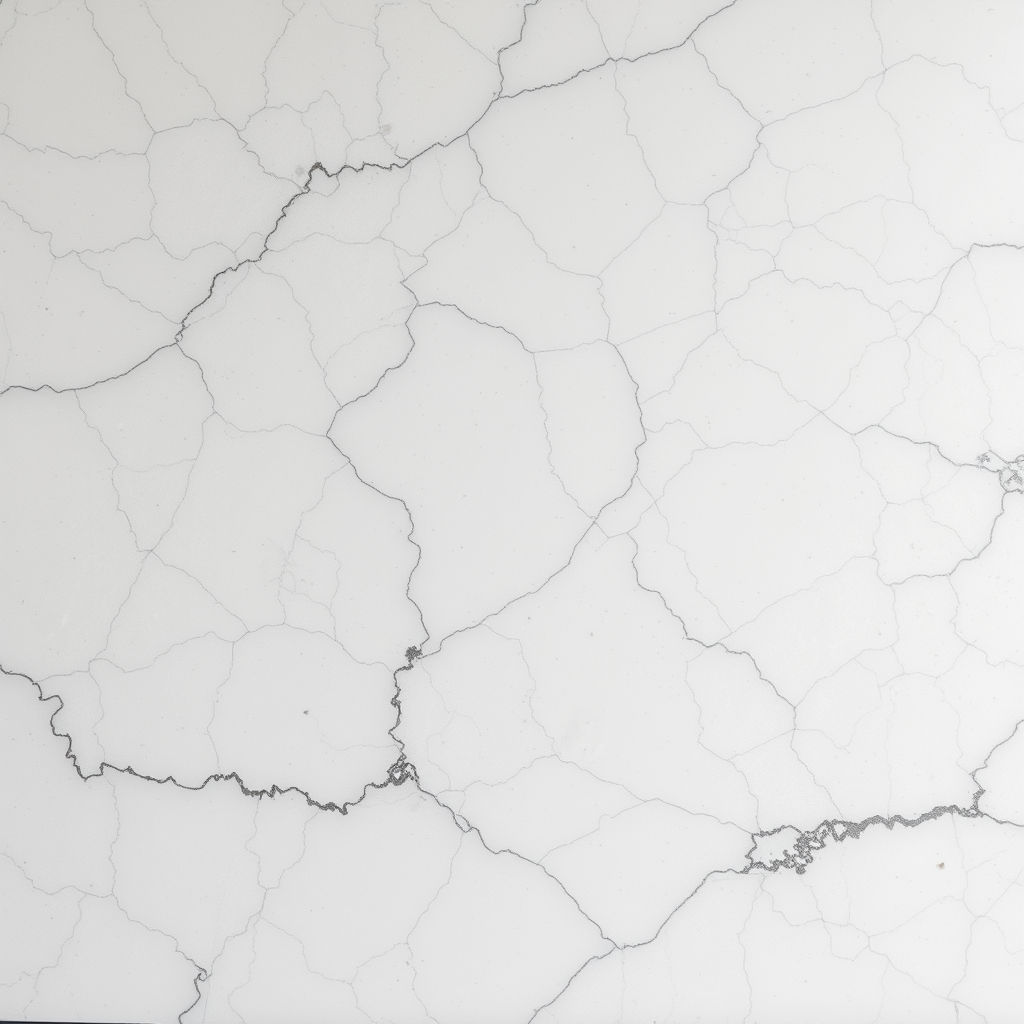


Stone Benchtop Seam Repair Done Properly

A benchtop seam usually gets your attention when it stops looking like a seam and starts looking like damage. You might notice the join lifting, discolouring, widening, or catching crumbs and moisture. In many cases, stone benchtop seam repair can bring that area back to a near-original finish without the cost and disruption of replacement.
For homeowners, the frustration is rarely just cosmetic. A failed seam can make an otherwise premium kitchen or bathroom feel tired, poorly fitted, or vulnerable to further damage. The good news is that seam issues are often repairable on site, provided the cause is properly diagnosed and the repair is carried out with the right products, equipment, and stone knowledge.
What causes seam failure in stone benchtops?
A seam is one of the most technical parts of any stone installation. Even when the slab itself is in excellent condition, the join can become the weak point if movement, moisture, heat, poor bonding, or age starts to affect it.
In engineered stone and natural stone alike, seam failure can show up in different ways. Sometimes the epoxy line yellows or becomes obvious against the surrounding surface. Sometimes the two pieces of stone move slightly out of level, creating a lip you can feel with your hand. In other cases, the seam opens up, cracks form at the join, or the area around a sink or cooktop begins to show stress.
Installation quality matters here. So does substrate support, cabinet movement, heavy impact, and water exposure over time. A seam near a sink cut-out often carries more risk because that section is narrower and more exposed to day-to-day use. The same applies near cooktops, where heat and expansion can place extra stress on the join.
Stone benchtop seam repair is not just a cosmetic patch
A proper repair does more than hide the line. It addresses the reason the seam became visible or unstable in the first place. That may involve rejoining the seam, replacing aged or failed epoxy, correcting minor height variation, or refinishing the surrounding area so the repair blends into the benchtop rather than sitting on top of it.
This is where many DIY attempts go wrong. Filling an open seam with an off-the-shelf product might mask the issue for a short time, but if the join has movement, contamination, or poor adhesion beneath the surface, the repair usually fails again. On premium stone, a poor repair can also leave a glossy patch, mismatched colour, or a rough finish that stands out more than the original problem.
A specialist approach is different. The damaged seam is assessed for movement, contamination, structural stability, colour match, and finish level. From there, the repair method is selected to suit the stone type and the condition of the join.
When a seam can be repaired
Many seam issues can be restored successfully, especially when the surrounding stone is still sound. If the problem is isolated to the adhesive line, slight lippage, localised staining, or a crack concentrated around the join, repair is often the most sensible option.
This is particularly true for premium surfaces where replacement would mean removing splashbacks, disconnecting plumbing or appliances, or trying to source a slab that may no longer be available. A targeted on-site repair is usually faster, less invasive, and far more cost-effective.
That said, not every seam problem is identical. If cabinets have dropped significantly, if the stone has fractured well beyond the join, or if the installation is under constant structural stress, repair may need to be paired with support correction. A reliable assessment should explain that clearly rather than promising an unrealistic result.
When replacement may be the better option
There are times when repair is not the best long-term answer. If a benchtop section is severely broken, badly installed, or under ongoing movement that cannot be corrected, replacing part of the top may be more appropriate.
The key point is that visible seam failure does not automatically mean full replacement. Many homeowners assume the whole benchtop is finished when they see a split or raised join. In reality, experienced technicians can often restore the seam and preserve the original top, which is exactly what most clients want if the stone itself still has years of life left in it.
How a professional seam repair is carried out
No two repairs are exactly the same, but the process usually starts with a close inspection of the seam, adjacent cut-outs, support structure, and surface finish. The technician needs to know whether the issue is simply aesthetic, partly structural, or both.
If old epoxy or silicone has failed, contaminated material is removed and the area is carefully prepared. Preparation is one of the biggest factors in a lasting result. Stone surfaces need to be clean, stable, and correctly keyed for the new bonding material to perform as intended.
Where the seam has opened or shifted, the join may need to be drawn back together and re-bonded. If there is a slight lip between the two sections, controlled levelling and refinishing may be required. Colour matching is then used to reduce the visibility of the join, followed by polishing or surface blending so the repaired area sits naturally with the surrounding benchtop.
On honed, polished, and textured finishes, the repair technique changes. Engineered stone also behaves differently from marble or granite, so product selection and finishing methods need to suit the material. That technical detail matters if you want the repair to disappear rather than look like a patch.
Why stone type matters in seam repairs
Not all benchtops respond the same way. Caesarstone, Smartstone and other quartz-based products have specific resin and aggregate characteristics that affect adhesion, colour matching, and finish restoration. Marble and granite bring their own considerations, particularly where veining, porosity, and natural variation are involved.
A white engineered stone seam, for example, can be especially unforgiving because even a slight colour mismatch or gloss difference becomes obvious in bright light. Dark stones can present a different challenge, with resin lines, reflective glare, or overfilled repairs showing up from certain angles.
That is why specialist experience matters. A repairer needs to understand how each material cuts, bonds, polishes, and ages. There is no one-product-fits-all answer when the goal is a near-invisible result.
What homeowners should avoid before booking a repair
If your seam has started to fail, it is best not to experiment with supermarket adhesives, grout products, or generic fillers. These can contaminate the join and make a professional repair more difficult. It is also worth avoiding aggressive scrubbing, blade scraping, or harsh chemicals around the seam, especially if the adhesive line is already compromised.
Photos help. A few clear images taken in natural light from close up and at arm's length can often show whether the issue is opening, chipping, staining, cracking, or height variation. That makes quoting and triage easier, particularly for mobile repair services covering multiple NSW areas.
If the seam is near a sink, it also helps to note whether water is getting in, whether the silicone line has deteriorated, and whether the stone feels loose or sounds hollow when lightly tapped. Small details like these can point to the underlying cause.
Choosing the right specialist for stone benchtop seam repair
Seam work sits in a narrow space between stone masonry, surface restoration, and cosmetic repair. It is not enough to know how to install stone, and it is not enough to know how to polish it. The best results come from someone who understands both the structure of the join and the visual finish of the surface.
That is especially important when the benchtop is a feature of the home and replacement would be expensive or disruptive. You want clear advice, realistic expectations, and a repair method suited to the actual problem rather than a quick fix.
For many NSW homeowners, that means looking for a specialist with real experience in engineered and natural stone repairs, not just general handyman work. ChipFix Stone Benchtop Repairs is known for exactly that kind of focused, on-site restoration work, particularly where clients want visible damage reduced to the point that it no longer draws the eye.
A repaired seam should restore confidence in the whole benchtop
A failed join can make the entire room feel off, even when the damage is limited to one section. When repaired properly, the benchtop looks cared for again, functions as it should, and no longer carries that daily reminder that something is wrong.
If your seam is widening, lifting, discoloured or cracking, acting early usually gives you more repair options and a better visual result. The aim is not just to fill a gap. It is to restore the benchtop you already invested in and make the problem far less visible every time you walk into the room.


Comments