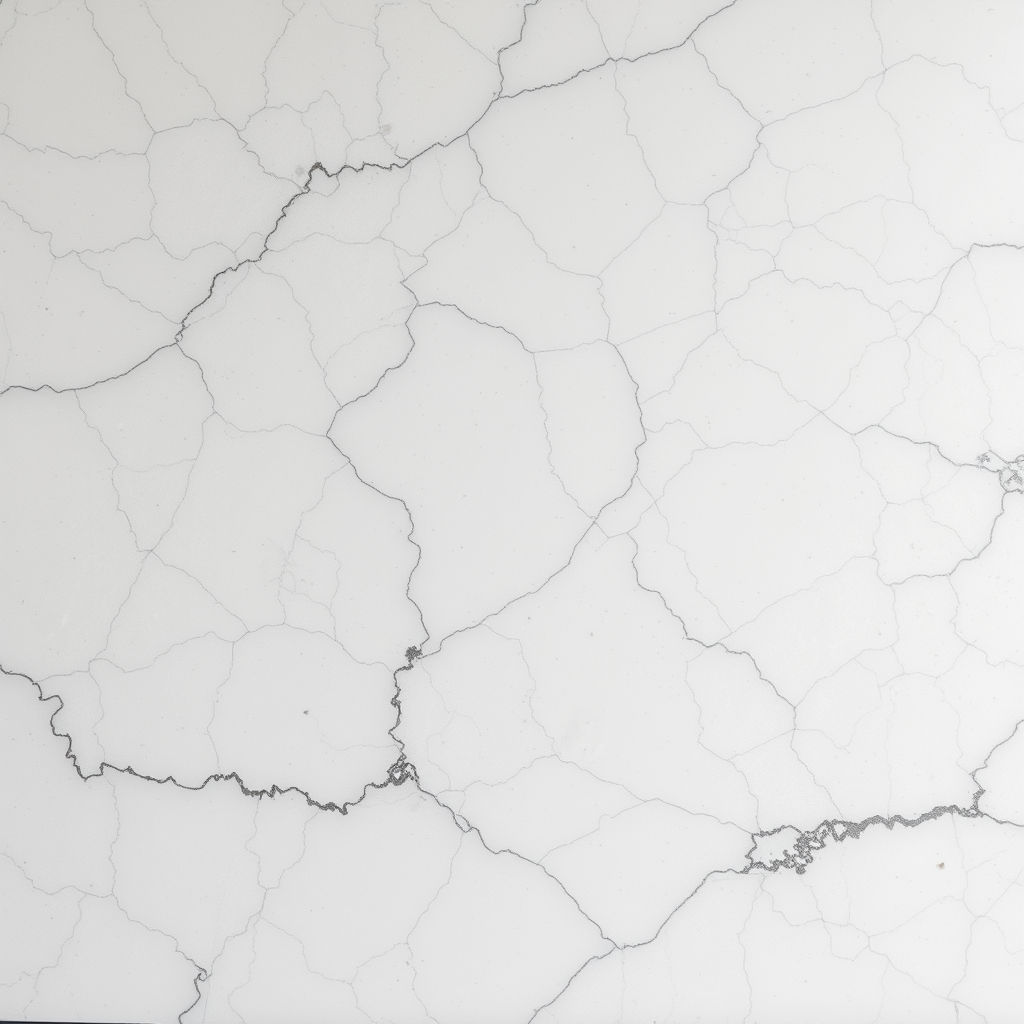


Stone Repair vs Replacement: Which Is Right?

A chipped edge beside the sink, a visible crack near the cooktop or a darkened join can make an otherwise beautiful kitchen feel unfinished. When weighing up stone repair vs replacement, the right answer is rarely about the damage alone. It comes down to the stone type, the cause and location of the fault, how sound the benchtop remains, and whether a specialist repair can return it to a near-original finish.
For many NSW homeowners, professional on-site restoration is the quicker, less disruptive option. But there are occasions when replacement is the safer long-term decision. A proper assessment separates the two.
Stone repair vs replacement: the practical difference
Stone repair focuses on restoring the damaged area while retaining the existing benchtop. A skilled technician can colour-match and rebuild chips, stabilise minor cracks, rejoin failing seams, polish worn patches, replace discoloured silicone or epoxy lines, and refine cut-outs around sinks and cooktops. The aim is not simply to fill a hole or cover a crack. It is to restore strength, profile, colour and surface finish so the repair blends with the surrounding stone.
Replacement means removing all or part of the existing benchtop and fitting new stone. It may involve disconnecting plumbing and appliances, removing splashbacks, taking new measurements, fabricating replacement pieces and coordinating several trades. This can be necessary, but it is a larger project with more cost, time and potential impact on cabinetry, tiles and appliances.
The key distinction is this: repair preserves a sound surface with localised damage. Replacement is generally reserved for stone that is structurally compromised, extensively damaged or no longer practical to restore.
When stone repair is usually the better option
A repair is often the sensible choice when damage is isolated and the slab itself is stable. Small chips on exposed edges, particularly around sink cut-outs and island corners, are common. Although they can catch the eye immediately, they can often be rebuilt and carefully shaped to match the original edge profile.
Hairline cracks can also be repairable where they have not travelled through the slab or resulted from ongoing movement. The technician needs to identify why the crack occurred before treating it. A crack caused by impact may be restored differently from one caused by insufficient support beneath an overhang or a cooktop cut-out.
Failed joins are another strong candidate for repair. Benchtop seams can open, discolour or become uneven over time. Where the adjoining pieces remain properly supported and aligned, the old line can be removed, rejoined and colour-matched for a cleaner, tighter result.
Surface issues such as dullness, light etching on natural stone, minor stains, scratches and old silicone lines may also be addressed without replacing the benchtop. Marble and granite, for example, often benefit from specialist cleaning, honing or polishing, while engineered stone requires methods suited to its resin-and-quartz composition.
Repair is particularly valuable when the benchtop has been discontinued or is difficult to match. Replacing one damaged section with a different batch or product can leave you with a more obvious variation in colour and pattern than a well-executed restoration would.
When replacement may be necessary
Not every crack should be filled, and not every damaged top can be made reliable with cosmetic work. Replacement becomes more likely where the stone has substantial structural failure, widespread fractures or severe damage around a critical cut-out.
A large break that runs across a benchtop, especially where the slab has dropped or lost support, needs careful investigation. Repair may still be possible in selected circumstances, but only after the support issue has been corrected. Applying resin to an unstable slab is not a durable solution.
Replacement can also be appropriate when damage affects a large proportion of the surface, when there are multiple failed seams, or when water has caused serious deterioration to the cabinetry and substrate beneath the stone. In those cases, the visible stone fault may be only one part of the problem.
There are practical considerations too. If you are already undertaking a full kitchen renovation, changing the layout or replacing cabinetry, a new benchtop may make more sense than repairing the old one. The decision should fit the broader scope of work, not just the appearance of one chip or crack.
The factors that decide whether repair will last
The location of damage matters as much as its size. A small chip on a front edge is usually straightforward compared with a fracture at a sink corner, where the stone carries more stress and is exposed to moisture. Likewise, a crack beside a cooktop must be assessed with heat exposure, cut-out dimensions and support in mind.
Stone type is equally important. Caesarstone, Smartstone and other engineered quartz surfaces have different repair requirements from marble or granite. Colour, pattern, translucency and finish all affect how closely a repair can be blended. A plain white engineered stone may require an especially precise colour match, while heavily patterned natural stone demands a technician who understands movement and veining.
The cause of the damage should never be ignored. Heavy impact, poor installation, inadequate support, appliance movement, heat and building movement can all contribute. If the cause remains active, even an excellent repair may be put under the same stress again.
Finally, expectations need to be realistic. High-quality repair work can make many defects difficult to notice in normal use, often producing a near-invisible result. Under certain lighting, at close range or on highly reflective surfaces, a repaired area may still be detectable. A trustworthy specialist will explain what can be achieved before work begins rather than promising a result the stone cannot support.
Comparing cost, disruption and value
Replacement is not simply the price of a new slab. It can include templating, fabrication, delivery, removal and disposal of the existing top, plumbing reconnection, electrical work for cooktops, splashback repairs and time without a functioning kitchen or bathroom. A replacement section may also be difficult to match to existing stone, particularly years after the original installation.
On-site repair usually avoids most of that disruption. The work is contained to the affected area, with no need to remove the full benchtop or disturb surrounding cabinetry. For property owners preparing to sell, landlords between tenancies or families who rely on their kitchen every day, that convenience can carry real value.
That said, the cheapest quote is not always the best value. A rushed repair with poor colour matching, uneven polishing or an untreated structural cause can leave the problem more visible or lead to further work later. Specialist restoration is a technical service, particularly on premium engineered and natural stone.
Why an on-site assessment matters
Photos are useful for an initial indication, especially if they show the damage close up and from a wider angle. However, a reliable recommendation often requires the surface to be assessed in person. The technician can check whether a crack has movement, test surrounding support, identify the stone finish and see how the damage appears under the room's lighting.
This is where experience makes a meaningful difference. ChipFix Stone Benchtop Repairs approaches each job as a restoration and diagnosis task, rather than assuming every visible mark needs the same filler or polishing process. The appropriate repair method should suit the specific stone, damage type and conditions in the home.
Before you decide, avoid making the damage worse
Until the benchtop has been assessed, avoid leaning heavily on a cracked overhang or placing heavy appliances near a damaged cut-out. Keep water away from open seams around sinks, particularly if the silicone has failed. Do not use supermarket epoxy, strong abrasives or aggressive cleaners in an attempt to disguise the fault. These products can contaminate the surface, alter the sheen and make professional colour matching more difficult.
If a chip has come away cleanly, keep the piece in a safe place. In some cases, it may help the repair process. Take clear photographs, note when the damage first appeared and mention any recent impact, plumbing leak, appliance installation or building movement. Those details help identify whether repair is suitable and what needs to be addressed first.
A damaged benchtop does not automatically mean a new one is required. The most useful next step is a specialist opinion that considers both appearance and structure, then gives you a clear path to restoring the surface with confidence.


Comments