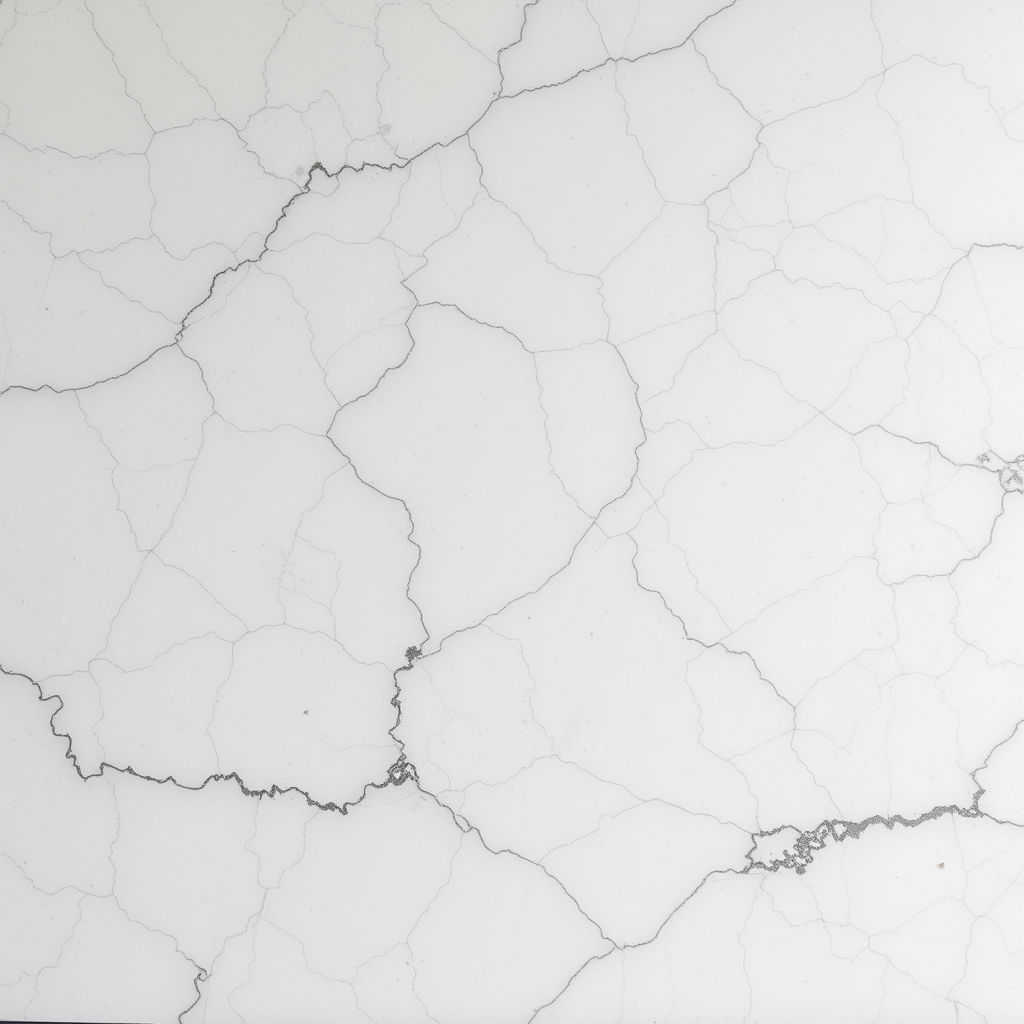


Caesarstone Repair Guide for Chips and Cracks

A chip on the edge of a Caesarstone benchtop can catch your eye every time you enter the kitchen. A crack near the cooktop or sink is more concerning still, particularly when you do not know whether it is cosmetic damage or a sign that the surface is under stress. The right Caesarstone repair guide starts with a simple principle: protect the area, avoid making it worse, and have the cause assessed before choosing a repair.
Caesarstone is a premium engineered stone product made from quartz and resin. It is highly durable, but it is not indestructible. Sharp impacts, excessive heat, unsupported cut-outs, movement in cabinetry and ageing adhesive lines can all leave their mark. In many cases, a skilled on-site repair can restore the appearance and usability of the benchtop without the cost, disruption and waste of replacement.
What damage can be repaired on Caesarstone?
The most suitable repair depends on where the damage is, how deep it runs and why it happened. Small edge chips, corner chips, scratches and isolated surface blemishes are commonly repairable. A specialist can colour-match repair materials, rebuild the damaged section and carefully finish it to match the existing sheen and texture as closely as possible.
Cracks can also often be repaired, particularly when they are localised and the benchtop remains stable. The repair is not simply a matter of filling a visible line. A proper assessment considers whether the crack began at a sink, tap or cooktop cut-out, whether the stone is adequately supported, and whether cabinet movement or impact caused the failure. Fixing the crack without addressing the cause can lead to the same problem returning.
Failed joins, often called seams, are another common issue. A seam may become visible when old adhesive discolours, shrinks, breaks down or separates due to movement. Depending on the condition of the stone edges and the installation, the line can be cleaned out, rejoined and colour-matched to reduce its visibility.
Not every issue is a candidate for an invisible result. A large break, a badly fractured cut-out, extensive heat damage or stone that has moved out of position may require a more involved repair or partial replacement. A dependable technician will be clear about what can realistically be achieved before work begins.
Caesarstone repair guide: what to do first
If you notice new damage, do not test it by pressing on the area or loading it with appliances, pots or a person leaning against the bench. Remove heavy items and keep water away from cracks around a sink. If a piece has broken away, retain it in a safe place. It may help with colour matching or be suitable for reattachment.
Clean the surrounding surface gently with warm water and a soft cloth, then dry it thoroughly. Avoid abrasive scourers, aggressive household cleaners and strong solvents. These can dull the finish, affect the resin in the engineered stone or leave residue that complicates a repair.
Resist the temptation to use a hardware-store epoxy, super glue or generic stone filler. These products can dry to the wrong colour, turn yellow over time, sit proud of the surface or seep into the stone edges. Once a poor repair is in place, it usually needs to be removed before a professional can restore the area properly. That adds time and can limit the final finish.
Photos are useful when seeking advice. Take one close image of the damage, one from about a metre away, and a wider photo showing its position on the benchtop. Include nearby cut-outs, joins or edges where relevant. Good images help a repair specialist judge the likely work involved and identify whether an on-site inspection is needed.
Chips and edge damage
Most Caesarstone chips happen at exposed edges, around sink cut-outs and on corners. A dropped saucepan, a knocked bar stool or a hard impact from an appliance can remove a small piece of material. While the damage may look minor, it can be quite noticeable because the exposed interior has a different texture from the finished surface.
A quality chip repair involves more than filling a hole. The damaged area is prepared, stabilised and rebuilt using colour-blended repair compounds. The repaired section is then shaped and finished to follow the profile of the original edge. On polished Caesarstone, matching the reflection is as important as matching the colour. On a honed or textured finish, the technician must also reproduce the right surface character.
The result is normally near-invisible rather than magically undetectable from every angle under every light. That distinction matters. Strong side lighting, a very dark colour, patterned veining and damage on a highly exposed edge can make any repair easier to find on close inspection. In normal use, however, a well-executed repair should stop the damage drawing attention.
Cracks near sinks, cooktops and cut-outs
Cracks around cut-outs deserve prompt attention because these areas have less stone supporting them. Sink corners, especially sharp internal corners, can concentrate stress. Cooktop cut-outs can be affected by heat, inadequate clearances, cabinet movement or pressure from an appliance that is fitted too tightly.
Do not assume a crack is only on the surface. A technician should inspect the underside where accessible, assess the support rails and cabinetry, and check whether the cut-out needs modification to reduce ongoing stress. In some situations, a precise wet-cut alteration or additional support may be part of the solution.
Heat damage is a separate concern. Caesarstone should not be treated like a trivet. Placing a hot pan directly on the benchtop can cause thermal shock, discolouration or cracking, particularly if there is a sudden temperature change. Use trivets for hot cookware and avoid directing heat from portable appliances onto one spot for extended periods.
When a seam needs attention
A visible seam does not always mean the benchtop is failing. Some joins are inherently more noticeable due to the stone colour, pattern and layout. However, a seam that has opened, become rough, trapped grime, changed colour or developed a height difference should be assessed.
Seam repair may involve removing failed material, cleaning the joint, realigning the stone where possible and applying a colour-matched adhesive line. If the cabinets beneath have shifted or the benchtop lacks support, that needs attention as well. A fresh adhesive line alone cannot compensate for ongoing movement.
Silicone around sinks and splashbacks can also deteriorate and make an otherwise sound kitchen look tired. Replacing old, mouldy or split silicone is a small detail with a meaningful visual payoff, especially after a stone repair or rejuvenation service.
Avoid DIY grinding, cutting and polishing
Engineered stone repair is specialised work, and it is not a suitable DIY grinding project. Altering, cutting or aggressively sanding engineered stone can create hazardous dust and can permanently change the surface finish. It can also turn a local repair into a larger replacement job.
The same caution applies to polishing. Caesarstone is not maintained in the same way as marble, and trying to polish away a mark with the wrong compound can leave a dull patch or uneven sheen. For stains or dullness, the correct approach depends on the surface finish, the substance involved and how long it has been present.
Getting a repair assessed
When arranging a Caesarstone repair, provide clear photos and a short explanation of when the damage appeared. Mention any recent impact, plumbing work, appliance installation, cabinetry adjustment or heat exposure. These details help distinguish an isolated chip from a problem linked to installation or structural movement.
Ask whether the repair can be completed on site, what finish is realistic for your particular colour and damage type, and whether any support or cut-out work is recommended. An experienced specialist should explain the likely outcome plainly, not promise perfection where the stone condition does not allow it.
ChipFix Stone Benchtop Repairs provides on-site repairs for chips, cracks, seams and cosmetic damage across New South Wales, with specialist knowledge built around premium engineered and natural stone surfaces. The goal is to restore the benchtop’s appearance and function while preserving as much of the original stone as possible.
A damaged Caesarstone benchtop does not automatically need replacing. With early assessment and the right repair method, many chips, cracks and seam issues can become far less visible - and your kitchen can return to feeling like the investment you intended it to be.


Comments