
Caesarstone Heat Damage Guide for Homeowners

A hot saucepan can leave more than a temporary mark on a Caesarstone benchtop. If the surface has turned dull, developed a pale ring, changed texture or cracked near a cooktop, this Caesarstone heat damage guide will help you identify the issue and make the right next move before it worsens.
Caesarstone is a premium engineered stone surface designed for everyday kitchen use, but it is not indestructible. Sudden or concentrated heat can affect its resin binders, surface finish and, in some cases, the integrity of the slab. The good news is that many visible marks can be assessed and repaired on site, avoiding the cost and disruption of replacing an otherwise sound benchtop.
What Caesarstone heat damage looks like
Heat damage is not always obvious straight away. A pan placed directly on the surface may leave a faint cloudy patch that becomes more noticeable in certain light. On darker colours, the affected area can look dull or slightly lighter than the surrounding finish. On light colours, it may appear as a grey, yellowed or uneven patch.
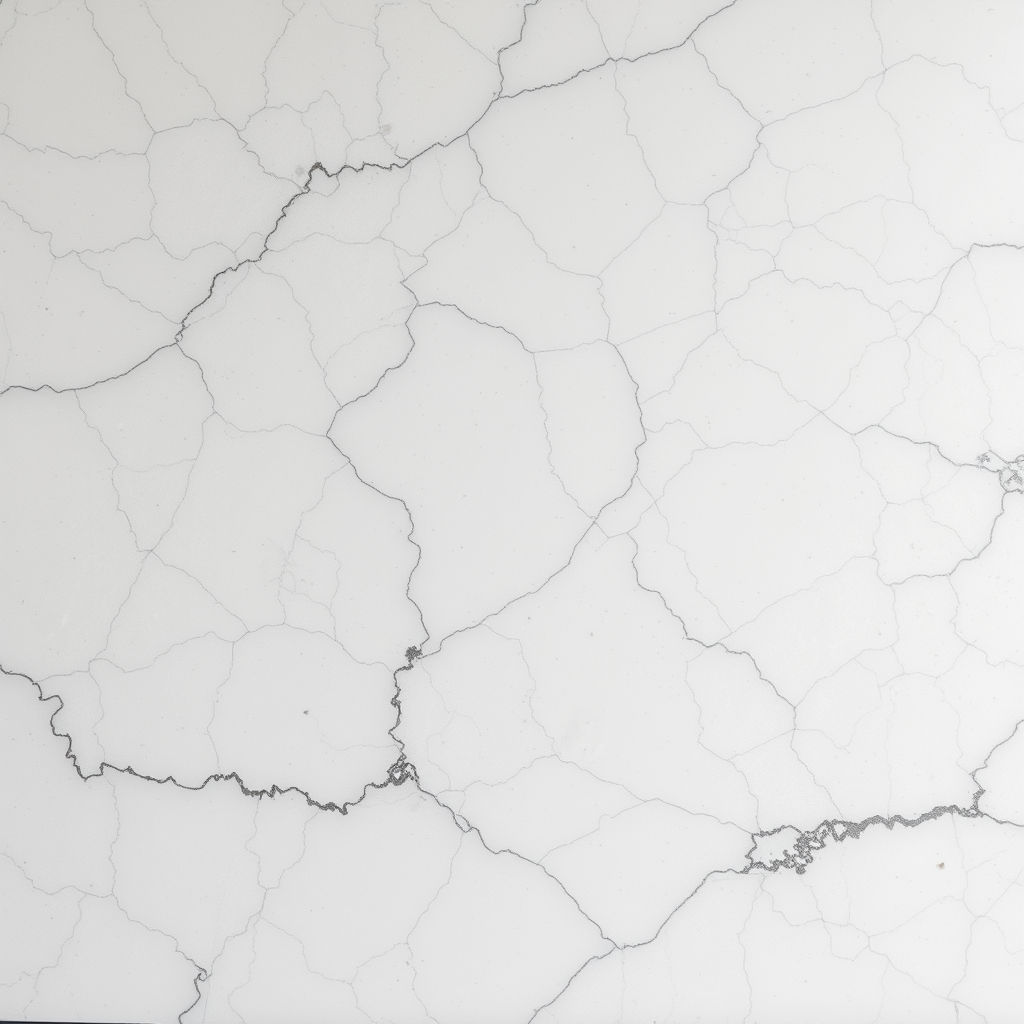
The most common signs include a loss of shine, a rougher texture, a visible ring from the base of a pot, or an area that no longer matches the original colour and sheen. Severe thermal shock can also contribute to cracking, particularly where heat is concentrated near a cut-out, seam or narrow section of stone.
Not every mark near a cooktop is heat damage. Grease residue, cleaning-product build-up and etched-looking marks from harsh chemicals can produce a similar appearance. A proper assessment matters because the repair approach changes depending on whether the surface has been stained, chemically affected, scratched or thermally damaged.
Why heat can damage Caesarstone
Caesarstone is made from natural quartz combined with resins and pigments. Quartz itself is highly heat resistant, but the finished engineered stone slab is a composite product. The resin component can react when exposed to intense direct heat, especially when there is a sharp temperature change.
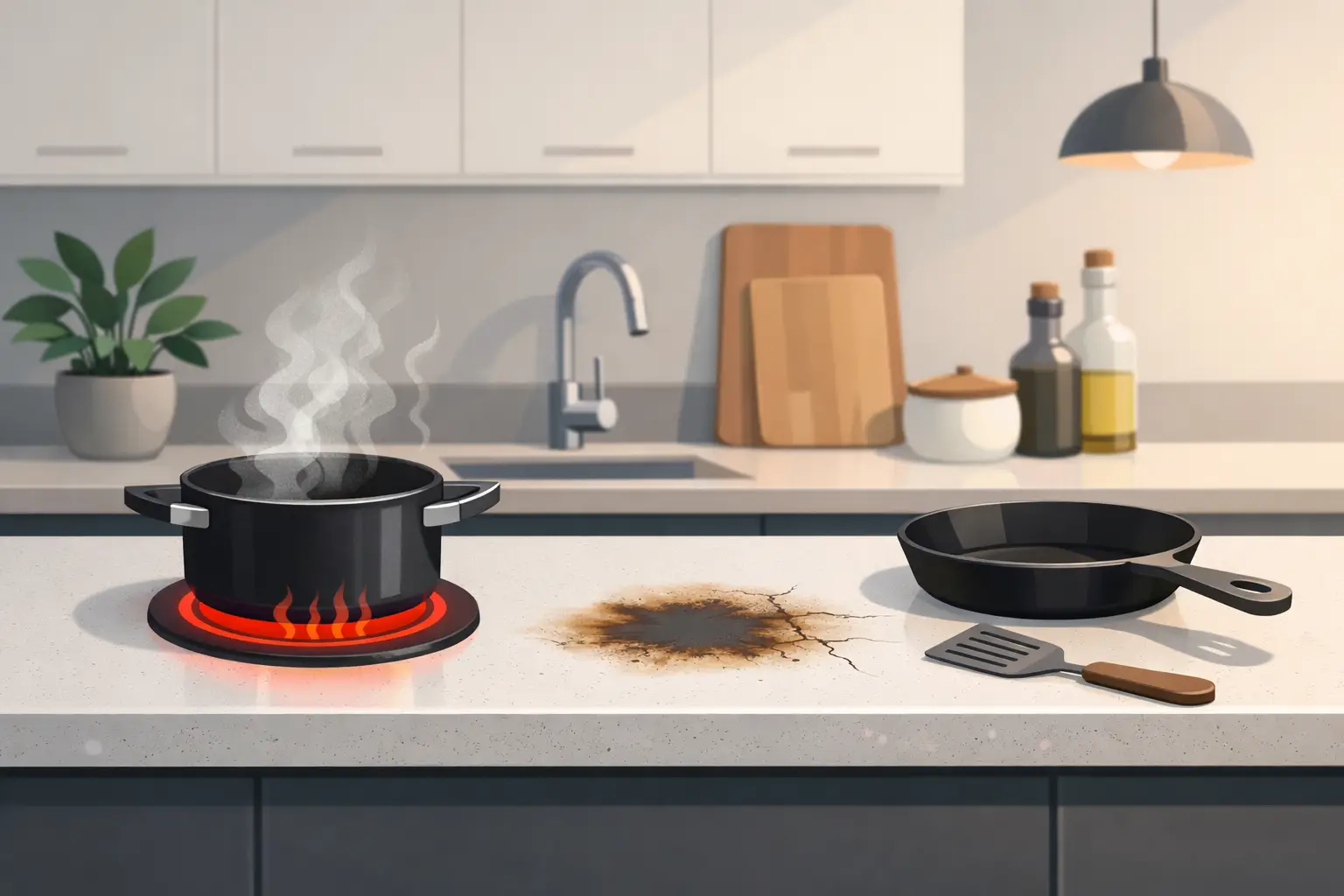
A very hot pan, cast-iron cookware, roasting tray or appliance base can transfer concentrated heat to one small section of the benchtop. Placing something hot straight from the oven onto a cool surface is a common cause. So is allowing a frying pan to overheat on the cooktop and then setting it down without a trivet.
Heat-related damage around cooktops can be more complicated. Expansion and contraction, insufficient clearance, poor support beneath the stone, or an existing weakness around the cut-out may all play a part. In these cases, repairing the visible crack without addressing the cause may only offer a temporary result.
What to do when you notice a heat mark
First, let the benchtop cool naturally. Do not place ice, cold water or a wet towel over a hot area in an attempt to reverse the mark. Rapid cooling can increase thermal stress and potentially make cracking worse.
Once the surface is cool, wipe it gently with warm water and a soft cloth to remove any cooking residue. Avoid abrasive cream cleansers, scouring pads, steel wool and strong solvents. These products may take away more of the finish and make a small repair more difficult to blend.
Take clear photos in natural light and under the kitchen lights. Photograph the full benchtop for context, then take close-up images from several angles. If there is a crack, photograph both ends of it and note whether it runs towards a sink, cooktop, wall or join.
Do not try to disguise the area with DIY epoxy, paint, polish or a heat gun. Home repair kits rarely match the colour, translucency and texture of engineered stone, and they can contaminate the surface. A failed DIY repair may need to be removed before a specialist can restore the original finish.
Can heat damage be repaired?
It depends on the depth and type of damage. A localised dull patch, surface discolouration or loss of polish may often be improved substantially through specialist surface restoration. The aim is to carefully refine the affected area, rebuild the appropriate finish where required, and blend it into the surrounding stone as closely as possible.
Deeper burns, resin damage and colour change are more variable. Some colours and patterns are more forgiving than others. A plain white surface may show slight differences differently from a heavily veined or patterned design, while honed, concrete-look and polished finishes each require their own repair method.
Cracks caused or revealed by heat need closer attention. A quality repair can stabilise the crack, restore the surface and reduce its visibility, but the technician must first assess movement, slab support and the position of the crack. A crack beside a cooktop cut-out, for example, may require reinforcement or adjustment to prevent repeat damage.
An experienced stone repairer will be realistic about the likely visual outcome before commencing work. Near-invisible results are often achievable, but no responsible specialist should promise that every heat-damaged area will disappear completely without first inspecting the surface, colour and extent of damage.
When a heat mark needs urgent attention
A cosmetic mark can usually be documented and assessed at a convenient time. However, a cracked benchtop near a cooktop, sink or unsupported overhang deserves prompt attention. Continued use can allow the crack to travel, collect moisture or compromise a narrow section of stone.
Be particularly cautious if the crack has a height difference between the two sides, if it catches when you run a finger across it, or if it is close to an electrical appliance. Avoid placing heavy cookware on the affected area until it has been assessed.
If there is any concern about the cooktop installation, do not alter the stone cut-out yourself. Precise adjustments to engineered stone require the right equipment, dust controls and experience. This is not a job for dry cutting, grinding or improvised tools in a home kitchen.
Preventing future Caesarstone heat damage
The simplest protection is to use a trivet, heat pad or timber board beneath hot cookware. Make it a habit for oven trays, slow cookers, air fryers and portable appliances too. Even if an appliance does not feel extremely hot, long periods of concentrated heat can affect the surface beneath it.
Keep cookware movement in mind. Sliding a hot pan off the cooktop and onto the benchtop can create a sudden hot spot, particularly if the pan has a heavy base. Allow cookware to cool on the cooktop where safe, or move it directly to a protected area.
For cooktops, make sure installation clearances and ventilation requirements are followed. Heat damage around appliances is sometimes a warning that the cut-out, support or heat shielding needs attention. Addressing that issue protects both the repair and your benchtop investment.
Specialist repair makes the difference
Caesarstone repairs are not simply about filling a mark. A successful result relies on understanding engineered stone composition, matching colour and finish, managing the damaged area carefully and knowing when a crack points to a larger installation issue.
ChipFix Stone Benchtop Repairs brings specialist Caesarstone knowledge to on-site repairs across New South Wales. Founder Len Ducrou’s former role as NSW Technical Manager for Caesarstone Australia and factory training in Israel provide a practical level of product understanding that matters when a premium surface needs careful restoration.
If you are unsure whether a mark is heat damage, avoid experimenting with cleaners or home repair products. Clear photos, the slab colour or name if known, and the location of the damage give a specialist a strong starting point. Acting early gives you the best chance of restoring the appearance of your benchtop while protecting it from further damage.


Nice
surface-doctor.com