

Granite Versus Quartz Repair: What Changes?

A chip beside the sink can look small until it catches your eye every time you walk into the kitchen. Granite versus quartz repair is not simply a matter of filling the damage with a matching product. The stone’s composition, finish, pattern and location of the damage all determine what a lasting, near-invisible repair requires.
For homeowners, the practical question is usually whether the benchtop can be restored without the expense, mess and disruption of replacement. In many cases, it can. But granite and quartz-based engineered stone respond differently to impact, heat, staining and polishing, so the repair method needs to suit the surface rather than follow a one-size-fits-all approach.
Granite versus quartz repair: the key difference
Granite is a natural stone, cut from a slab formed by nature. Its mineral pattern, veins and grain vary across the surface, often with small crystals and movement that can make colour matching both more forgiving and more complex. A repair technician needs to rebuild the damaged area, blend colour and texture into the surrounding stone, then refine the sheen to match the existing finish.
Quartz benchtops, commonly called engineered stone, are manufactured from crushed natural quartz bound with resin and pigments. Products such as Caesarstone and Smartstone have a more controlled, repeatable appearance, but that does not automatically make repairs easier. The resin content, surface finish and design layer affect how a chip, crack or seam repair takes colour and reflects light.
In both materials, the goal is not merely to close a hole or stabilise a crack. A quality repair should restore function, minimise visible disruption and avoid creating a dull patch, raised edge or obvious colour mismatch. This is why the best repair method depends on the damage itself as much as the type of stone.
How chips are repaired on each surface
Chips are most common around sink and cooktop cut-outs, exposed corners, draining grooves and bench edges. They may come from a dropped pan, a heavy object striking the edge or a knock during appliance installation.
On granite, a chip repair often calls for careful custom colour work. Natural granite may include black, grey, cream, brown, gold or blue mineral flecks within a small area. Recreating that visual depth requires more than choosing a close filler colour. The repaired section must be shaped to the edge profile, levelled accurately and polished to sit naturally within the stone’s changing pattern.
On engineered quartz, the technician must consider the base colour as well as the distribution of chips, flecks or marble-style veining. A plain white or charcoal benchtop can be unforgiving because even a slight variation in tone or gloss is easy to see. Patterned quartz may need layered colour work to avoid a flat-looking repair.
The location matters too. An underside chip may only require stabilisation and a tidy finish, while damage on a front edge or beside the sink needs a far higher standard of blending because it is viewed up close every day.
Cracks need diagnosis before repair
A crack is not always a surface issue. It can be caused by movement in the cabinetry, an unsupported overhang, a poorly fitted cooktop, a seam under tension or impact near a cut-out. Repairing the visible line without addressing the cause can lead to the same problem returning.
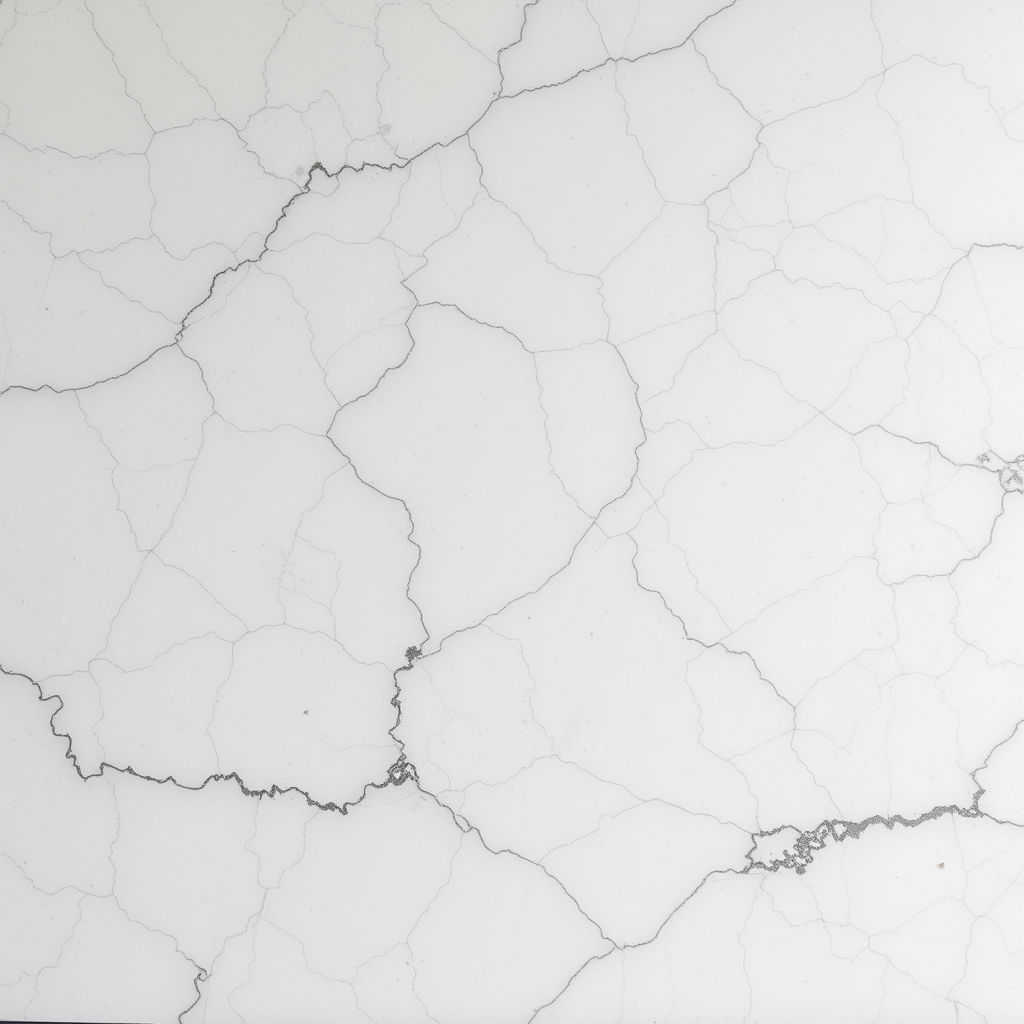
Granite is hard and heat-resistant, but it can crack where the slab is weak, thin or unsupported. Natural fissures are also sometimes mistaken for cracks. A fissure is a naturally occurring feature within the stone and may not affect performance, while a fresh crack can indicate movement or impact. An experienced assessment separates the two before any repair work begins.
Engineered quartz is dense and durable, yet it can crack around stress points. Sink and cooktop cut-outs are particularly vulnerable if there is insufficient support, impact damage or structural pressure from below. The repair may involve rejoining and reinforcing the fractured section, rebuilding small losses and carefully refinishing the surface.
Heat damage is another distinction. Granite generally tolerates heat better than resin-bound quartz products, although sudden thermal shock can still cause problems. Quartz benchtops can discolour, dull or suffer resin damage when very hot cookware is placed directly on the surface. A trivet is a simple safeguard, especially near the cooktop.
Matching the polish is where repairs succeed or fail
A repair can be structurally sound but still stand out if the gloss level is wrong. Benchtops are viewed under pendant lights, morning sun and overhead kitchen lighting, all of which reveal differences in reflection.
Polished granite requires a finish that matches the surrounding shine without over-polishing the repair into a glossy spot. Honed granite has a softer, low-sheen look that is equally demanding because a patch that is too shiny will be obvious. Natural stone can also develop uneven lustre over time, so the existing surface condition needs to guide the final finish.
Quartz surfaces range from high polish to matte, concrete-look and textured designs. The repair must work with the manufacturer’s finish rather than trying to make every benchtop glossy. Aggressive polishing can alter the appearance of engineered stone, particularly around a localised repair. Controlled restoration techniques are essential.
This is one reason DIY repair kits often disappoint. They may temporarily fill a chip, but they rarely recreate the correct colour depth, edge shape and light reflection. They can also leave excess material or a patch that collects grime and becomes more noticeable over time.
When cleaning or rejuvenation is enough
Not every mark is permanent damage. White cloudy patches, dull areas, residue around the sink or a rough-feeling spot may be caused by cleaning products, mineral build-up, silicone residue or surface contamination rather than a chip or crack.
Granite can benefit from professional cleaning, polishing and, where appropriate, resealing to improve its appearance and resistance to everyday staining. Sealing does not make granite indestructible, but it helps reduce absorption from spills.
Engineered quartz does not generally require sealing. Its issue is more often residue, chemical damage or surface dullness. Strong chemicals, abrasive pads and harsh cleaners can affect the resin-rich surface, so the correct diagnosis prevents unnecessary treatment and avoids making the finish worse.
If you are unsure whether you are looking at a stain, etching, heat mark or physical damage, take clear photos in natural light and include a wider image showing where it sits on the benchtop. This gives a repair specialist a far better starting point for assessing likely repair options.
Replacement is not always the better answer
Replacement can be necessary where damage is extensive, the slab has failed structurally or the benchtop is no longer safe to use. However, replacing a stone benchtop often involves disconnecting plumbing or appliances, removing splashbacks, matching a new slab and managing the risk of damage to surrounding cabinetry.
For localised chips, cracked seams, small fractures, worn silicone lines and cosmetic blemishes, on-site restoration is often the more practical option. It preserves the existing stone, reduces disruption and can deliver a result that is difficult to notice in normal use.
Engineered stone also requires particular care in Australia. Any cutting, grinding or alteration must be approached with appropriate controls and specialist knowledge due to silica risks. Homeowners should not attempt to grind, sand or cut a damaged quartz benchtop themselves.
Choosing the right repair approach
The best result starts with an accurate assessment of the surface, damage and likely cause. A quality repair should account for the stone type, colour, finish, edge profile, proximity to water or heat, and whether the area is under structural stress.
ChipFix Stone Benchtop Repairs applies this specialist approach to granite and engineered stone repairs across New South Wales, with a focus on restoring chips, cracks, seams and cosmetic damage to a near-original finish. The aim is straightforward: retain the benchtop you chose, restore the part that has been damaged and make the repair as unobtrusive as the material allows.
Before booking a repair, avoid using a DIY filler or abrasive cleaner over the damage. Keep the area clean and dry, take a few clear photos and note when the issue appeared. That small amount of information can help ensure the repair is planned correctly, and give your benchtop its best chance of looking right again.


Comments