

Benchtop Heat Damage Causes and Repairs

A hot pan placed straight from the cooktop can leave more than a temporary mark. Benchtop heat damage may appear as a dull patch, yellowing, a white ring, a crack or a change in surface texture. On premium stone surfaces, it can be particularly frustrating because the damage often sits in the most visible part of the kitchen.
The good news is that heat damage does not automatically mean replacing the whole benchtop. The right outcome depends on the material, the intensity and duration of the heat, and whether the surface has suffered cosmetic damage only or a deeper structural issue. A specialist assessment can identify what has changed and whether a near-invisible repair is achievable on site.
What causes benchtop heat damage?
Heat damage is usually caused by direct contact with hot cookware, appliances or heat-producing items. Frypans, saucepans, baking trays, slow cookers, air fryers and portable grills can all transfer concentrated heat into the benchtop. Steam escaping from an appliance may also affect a surface over time, particularly around joins, cut-outs and unsealed edges.
The risk is not always about one extremely hot item. Repeated exposure can gradually wear down a surface, change its sheen or weaken the resin content in engineered stone. A hot pot placed in the same spot every evening may eventually leave a visible shadow, even if no single incident seemed severe at the time.
Thermal shock is another concern. This occurs when a cold stone surface is heated very quickly, or when a hot area is suddenly cooled. The rapid expansion and contraction can place stress on the material and may contribute to cracking, especially around sink and cooktop cut-outs where the benchtop is already more vulnerable.
How heat affects different stone benchtops
Not all stone reacts to heat in the same way. Knowing what your benchtop is made from helps set realistic expectations for repair and future care.
Engineered stone and quartz surfaces
Caesarstone, Smartstone and other quartz-based engineered stones combine natural quartz with resins and pigments. They are durable, practical surfaces, but they are not designed to be used as a direct landing place for hot cookware.
Excessive heat can affect the resin binders within engineered stone. Depending on the colour and finish, the result may be discolouration, a dull or raised patch, a change in texture, cracking or a visible burn-like mark. Darker colours can show a pale haze, while lighter surfaces may yellow or develop a darker shadow.
Some shallow marks can be refined and blended through specialist surface restoration. However, if heat has penetrated deeply or caused a significant crack, the repair process is more involved. A professional can determine whether the surface can be restored cosmetically, stabilised and repaired, or whether a section requires more substantial work.
Marble and granite
Natural stone is often more heat tolerant than engineered stone, but it is not immune to damage. Marble can dull, etch or change in colour where heat and moisture interact with its finish. Granite may withstand hot cookware better, yet prolonged concentrated heat can still cause cracks, sealer damage or discolouration in certain areas.
Because natural stone has variations in mineral composition, one slab can react differently from another. This is why generic cleaning products and aggressive DIY methods are risky. The repair needs to suit the particular stone, its finish and the surrounding polish level.
Signs the mark is more than a surface stain
A heat mark can look similar to food staining, water marks or chemical damage, but the repair approach is different. A surface stain tends to sit within the pores or finish, while heat damage can alter the actual structure or resin content of the material.
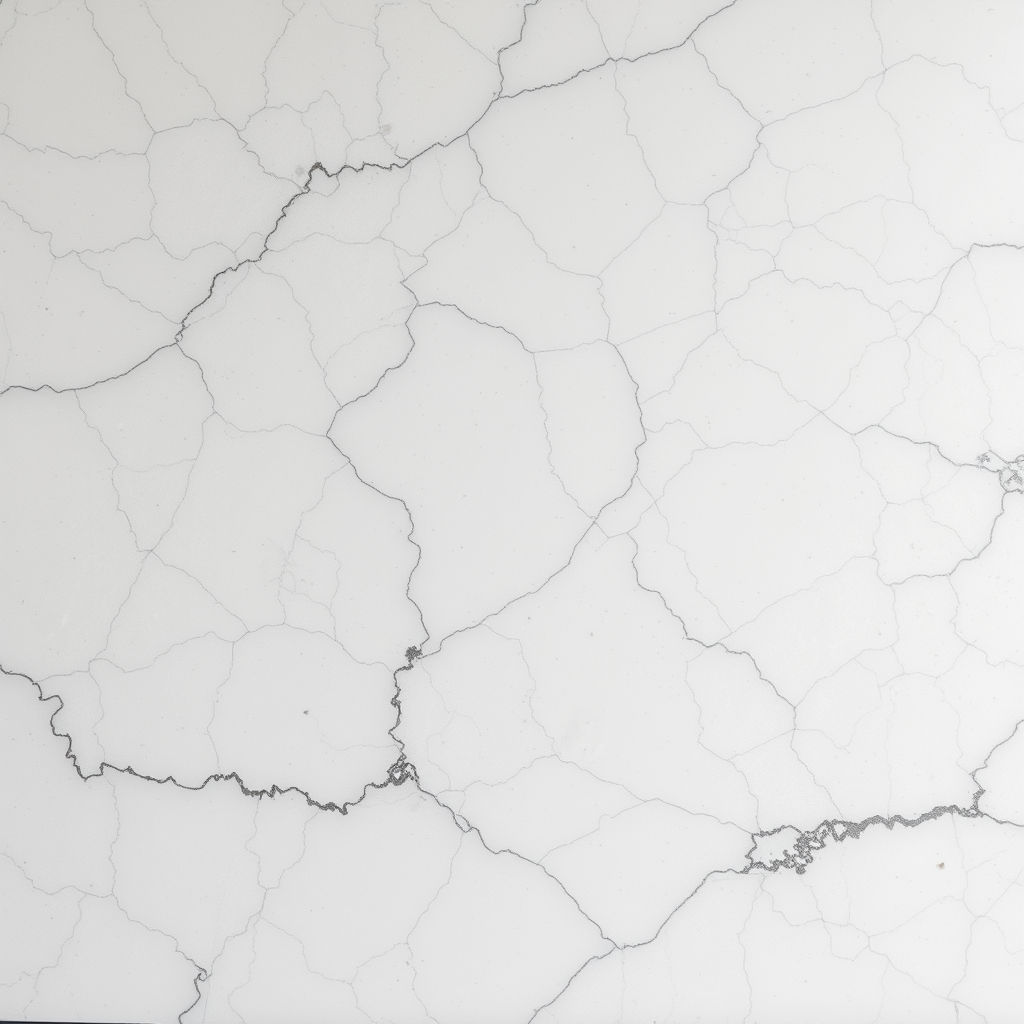
Look closely at the affected area in natural light. A heat-damaged patch may feel rougher or smoother than the surrounding surface, look cloudy from several angles, or have an altered gloss level. In engineered stone, yellowing, whitening and a slight blistered appearance can indicate heat exposure. Fine cracks radiating from the affected area should also be assessed promptly.
Damage near a cooktop, sink, appliance opening or seam deserves particular attention. These are high-stress areas, and even a small crack can worsen with daily movement, temperature changes and moisture exposure. Early repair is usually cleaner, more stable and less noticeable than waiting until the crack spreads.
Can benchtop heat damage be repaired?
In many cases, yes. The goal is to restore the surface so it looks as close as possible to its original finish while addressing any loss of strength or integrity. The exact process depends on the material and the damage.
For cosmetic heat marks, a technician may carefully refine the affected area, rebuild colour where required and polish or hone the surface to match the surrounding finish. This work requires controlled techniques and products selected for the specific stone. Over-polishing or using the wrong abrasive can leave a larger, shinier or more obvious patch than the original mark.
Where heat has caused a chip, crack or split, the repair may involve stabilising the damaged section and colour-matching a specialist resin repair. Fine cracks can often be filled and blended to reduce their visibility while helping prevent dirt and moisture entering the damaged line. A cracked benchtop should not be treated as cosmetic alone, particularly near a cut-out or seam.
There are limits. Severe thermal damage, major warping, extensive cracking or a large area of changed resin may not disappear completely. A dependable repair specialist will explain this upfront, rather than promising an unrealistic result. Even so, professional restoration can often avoid the cost, disruption and matching difficulties of full benchtop replacement.
Why DIY fixes often make the damage stand out
It is understandable to try a cream cleanser, polishing compound or online remedy first. Unfortunately, heat damage is one of the issues most likely to worsen with DIY treatment. Household abrasives can alter the surface sheen, while harsh chemicals may react with engineered stone resins or strip protection from natural stone.
Do not use a heat gun to try to reverse a mark. Adding more heat can deepen the damage or create thermal shock. Similarly, avoid sanding, cutting or aggressively scrubbing the area. A localised dull spot is far easier to repair than a broad patch with an uneven finish.
Instead, clean the area gently with a soft cloth, mild pH-neutral cleaner and water, then dry it thoroughly. Take clear photos in daylight and note what caused the mark, how long the item was left there and whether the surface has changed since. That information helps a repair technician provide more accurate advice before attending.
Preventing heat damage in everyday use
The simplest protection is also the most effective: use a trivet, heat mat or timber board whenever hot cookware leaves the cooktop or oven. Keep several within easy reach rather than relying on a tea towel, which offers little insulation and can trap heat against the surface.
Take extra care with appliances that vent heat or steam downward. Slow cookers, air fryers, coffee machines and sandwich presses should sit on a suitable protective mat with adequate clearance around them. If an appliance is routinely used beneath overhead cupboards, also watch for steam damage to joins and silicone lines.
Avoid placing hot pots over seams, near sink cut-outs or along unsupported edges. These areas are more susceptible to movement and stress. If you have recently had a cooktop, sink or tap altered, ask the stone specialist about protecting the newly cut or finished edges as part of normal care.
Regular cleaning also helps you spot small changes before they become serious. A new dull patch, fine crack or change around a seam is worth checking early, especially on a premium surface where appearance matters.
Restore the surface before a small mark becomes a larger problem
A damaged benchtop can make an otherwise well-kept kitchen feel unfinished. It can also create understandable concern when the surface is expensive engineered stone, marble or granite. ChipFix Stone Benchtop Repairs assesses heat-related marks, cracks and surface changes with the material and the likely cause in mind, then recommends the most practical repair path.
Protecting stone from direct heat is part of everyday care, but accidents happen in busy homes. Acting early gives you the best chance of restoring both the appearance and function of the surface, so your kitchen can continue to look like the investment you made in it.


Comments