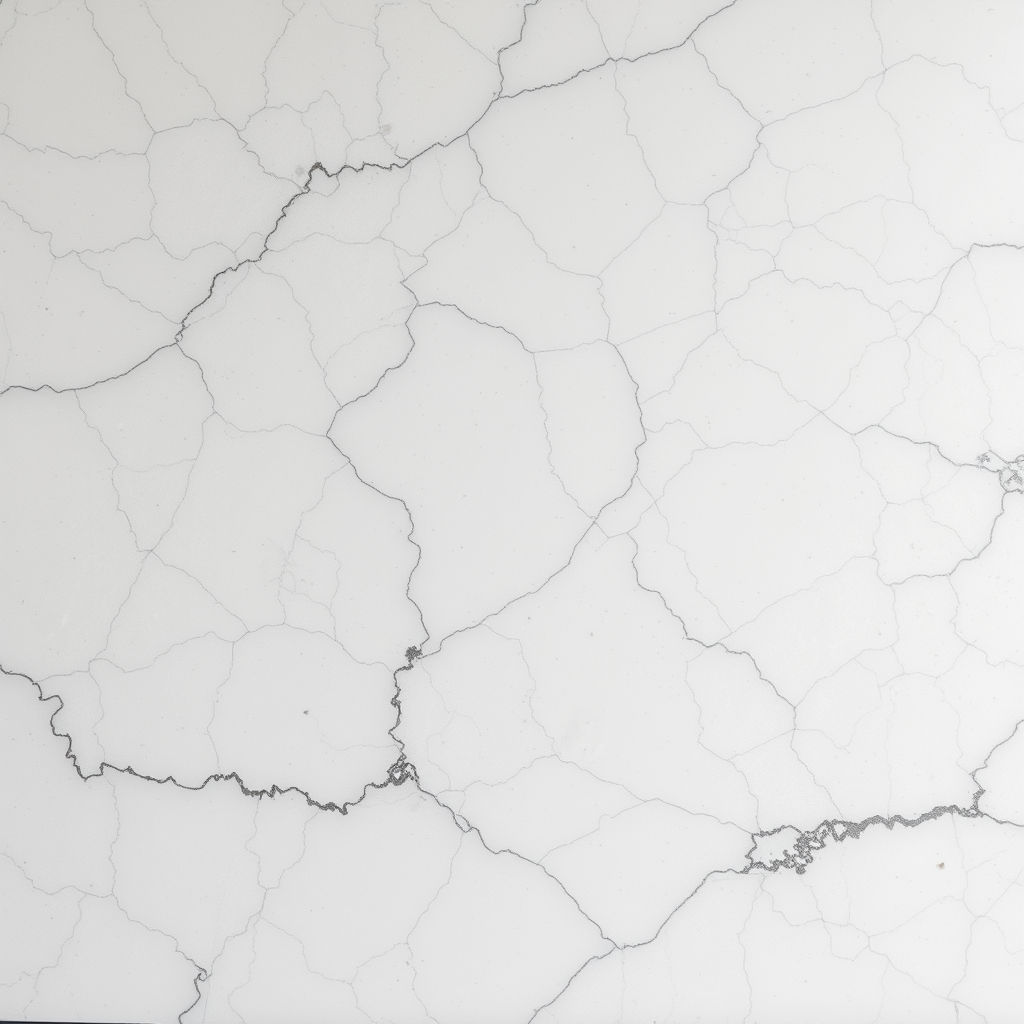


How to Clean Cloudy Caesarstone Benchtops

A Caesarstone benchtop can look cloudy even when it has just been cleaned. The usual reason is not permanent damage - it is a film of cleaner, cooking residue, hard-water minerals or an unsuitable product reacting with the surface. Knowing how to clean cloudy Caesarstone properly starts with treating the haze gently, rather than reaching for a harsh scourer or polish.
Caesarstone is engineered stone, made largely from quartz with resin binders and pigments. It is durable and non-porous, but its factory finish can still be dulled by abrasive cleaning, chemical residue and repeated use of products that do not rinse away cleanly. The right approach depends on whether the cloudiness is sitting on the surface or has altered the finish itself.
First, work out what the cloudiness is
Look at the benchtop in natural light and wipe a small area with a clean, damp microfibre cloth. If the cloudy patch changes or disappears while wet, then returns as it dries, residue is the likely culprit. This is common around sinks, taps, splashbacks and areas where spray-and-wipe cleaners are used often.
A white or grey haze around the sink can also be mineral build-up from hard water. Near a cooktop, the film may be grease that has been spread thinly over the surface rather than fully removed. On darker Caesarstone colours, both problems are more obvious because light catches the residue.
If the cloudy area feels noticeably rough, scratched, uneven or different in sheen to the rest of the benchtop, take more care. It may be surface wear, fine abrasion or chemical damage rather than a removable film. Cleaning may improve its appearance, but it will not restore a changed factory finish.
How to clean cloudy Caesarstone safely
Start with the least aggressive method. Remove loose crumbs, then wet the affected area with warm water. Apply a small amount of mild, pH-neutral dishwashing liquid to a soft microfibre cloth or non-abrasive sponge and clean the surface using light, overlapping passes. Do not scrub hard in one spot.
Rinse the cloth thoroughly and wipe the benchtop again with clean water. This step matters. Detergent left behind can create the same cloudy appearance you are trying to remove. Finish by drying the surface with a separate, clean microfibre cloth so water spots and cleaner residue do not remain.
For haze that persists, use a cleaning product specifically labelled as suitable for engineered stone or quartz surfaces, following the dilution and dwell-time directions exactly. Test it first in an inconspicuous area, particularly on darker, matte or textured Caesarstone. Clean a manageable section at a time, rinse fully and dry before judging the result.
Do not mix cleaning products. Combining chemicals can create fumes, leave stubborn residues or damage the surface. A stronger cleaner is not automatically a better cleaner, especially when the problem is a build-up caused by previous products.
Removing hard-water marks near the sink
Hard-water haze needs patience rather than heavy abrasion. Clean the area first with warm water and mild detergent, then use an engineered-stone-safe cleaner if mineral marks remain. Work with a soft cloth, rinse carefully and dry completely.
Avoid treating Caesarstone like natural marble or tile. Home remedies based on vinegar, lemon juice or acidic descalers can be too aggressive for engineered stone surfaces and may affect the resin component or leave the finish looking patchy. They can also make it harder to identify whether the original haze was mineral residue or surface damage.
Dealing with greasy, dull patches
Cooking oils can leave a nearly invisible layer that makes a benchtop look flat or smeared from certain angles. Use warm water, mild detergent and a freshly washed microfibre cloth. Old cloths often contain fabric softener, oil or residue from other cleaning jobs, which can transfer straight back onto the stone.
After cleaning, inspect the benchtop from more than one angle. A surface that looks clear face-on may still show streaking under downlights. A final rinse-and-dry is usually what separates a genuinely clean Caesarstone surface from one that still looks cloudy at night.
What not to use on Caesarstone
Cloudiness often gets worse after well-intentioned DIY cleaning. Avoid harsh abrasive creams, scouring powders, steel wool, pumice products and aggressive scrub pads. These can create fine scratches that scatter light and make the surface appear permanently dull.
Also keep away from oven cleaner, paint stripper, strong alkaline products, concentrated bleach, acidic descalers and products not intended for engineered stone. While a one-off spill may not always cause visible damage, repeated exposure is a different matter. The risk is greatest where cleaners are left sitting on the benchtop or trapped around sink edges and silicone lines.
Do not attempt to restore shine with general-purpose stone polish, wax or furniture polish. These products may make the top look better briefly, but they can leave a coating that attracts fingerprints, smears under light and produces more haze after repeated applications. Caesarstone does not need sealing in the way many natural stones do.
When cleaning is not enough
If you have cleaned, rinsed and dried the benchtop correctly but the cloudy patch remains unchanged, it may not be a cleaning issue. Fine scratching from abrasive pads, chemical marking, heat-related stress, wear around a sink or inconsistent previous polishing can alter how the surface reflects light.
This is where DIY polishing can cause more harm than good. Engineered stone has a controlled factory finish. Removing material in one small area can leave a shiny spot on a matte surface, a dull patch on a polished surface, or a visible transition at the repair boundary. Matching the original texture and sheen takes the right abrasives, polishing sequence and experience with the specific surface.
A professional assessment is especially worthwhile if the cloudiness sits beside a chip, crack, open seam, failed silicone edge or visible repair. These issues can be related. For example, water entering a damaged sink edge or open seam may leave staining and residue that cleaning alone cannot address.
At ChipFix Stone Benchtop Repairs, our technicians assess whether a cloudy appearance is surface contamination, wear or damage before recommending a treatment. When restoration is appropriate, the goal is to bring the affected area back into visual balance with the surrounding benchtop, not simply make one patch look shinier than the rest.
Keep the clear finish once it is restored
For everyday care, wipe spills promptly with a damp microfibre cloth and dry the surface after cleaning. Use a chopping board rather than cutting directly on the benchtop, and keep abrasive pads for pots and pans away from stone surfaces. Put hot cookware on a trivet instead of directly on the Caesarstone, particularly near joins, cut-outs and thinner sections of the benchtop.
Choose one suitable cleaner and use it sparingly. Switching between sprays, disinfectants, polish products and homemade mixtures is one of the easiest ways for residue to build up. A simple routine of mild detergent, clean water and a dry microfibre cloth is often the most reliable option.
If the haze returns quickly after every clean, stop adding stronger products. That recurring cloudiness is useful information: it often points to product residue, hard water or a finish issue that deserves a closer look. A careful diagnosis can save a premium benchtop from unnecessary replacement - and from the kind of DIY treatment that turns a small dull patch into a larger repair.


Comments