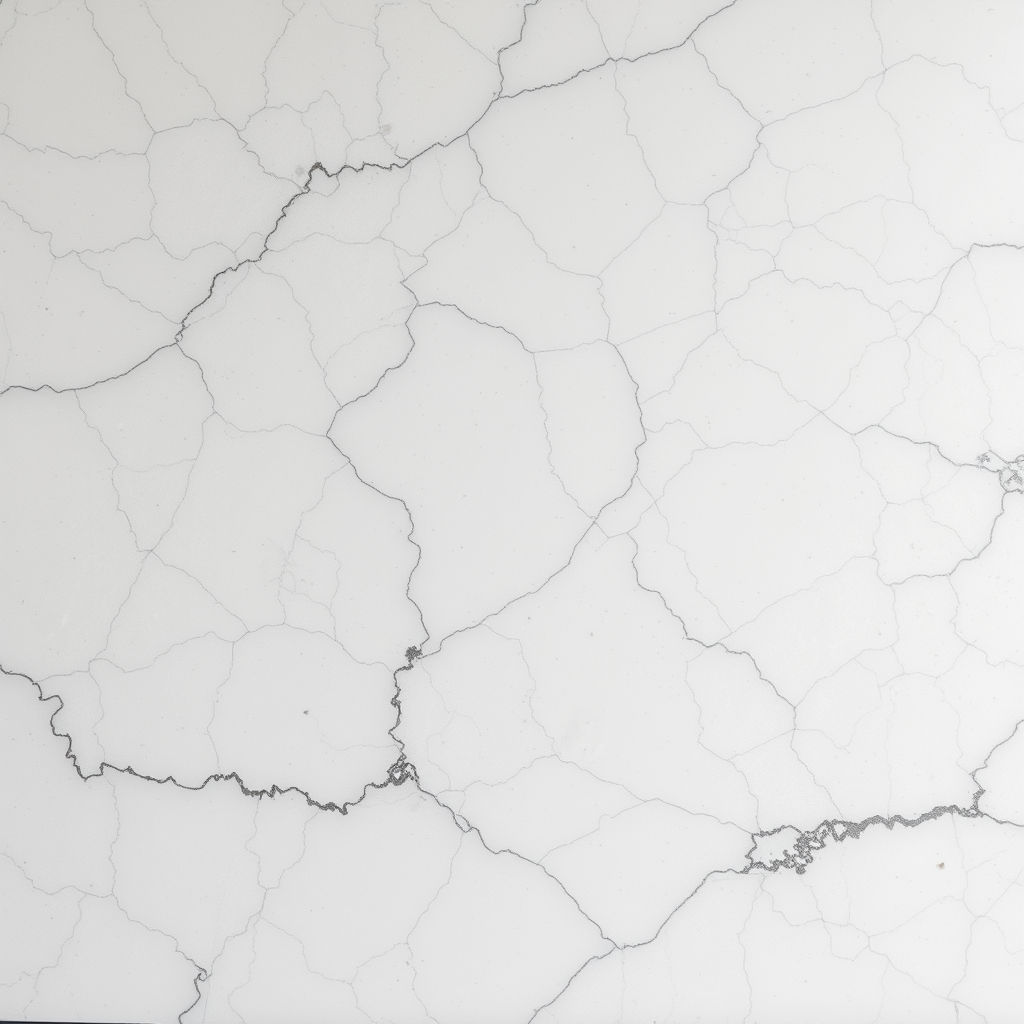


How to Repair Cracked Caesarstone Benchtops

A crack in a Caesarstone benchtop can turn up suddenly: beside a cooktop, across a narrow bridge near the sink, or along a join that once looked perfectly clean. If you are searching for how to repair cracked Caesarstone, the first step is not reaching for a hardware-store repair kit. It is working out why the crack occurred and whether the stone is still properly supported.
A well-executed professional repair can restore the strength, appearance and day-to-day usability of many damaged Caesarstone benchtops. But a repair that only fills the visible line, without addressing movement or poor support underneath, is likely to fail again.
What causes Caesarstone benchtops to crack?
Caesarstone is valued for its consistency, durability and low-maintenance surface. Like any engineered stone, however, it can crack when stress concentrates in one area. The visible crack is often the symptom, rather than the complete problem.
Cracks commonly develop around sink and cooktop cut-outs because these are the most vulnerable sections of a benchtop. The stone is narrower there, and it may be carrying the weight of a large undermount sink, a cooktop, or repeated pressure from leaning on the edge. A heavy object dropped on the surface can also create an impact crack, particularly close to an edge or cut-out corner.
Other causes include inadequate cabinetry support, a benchtop that has been forced into position during installation, movement in the cabinets, failed seams, or heat stress. A crack beside a cooktop deserves prompt attention. Even where the surface looks minor, the stone may have been exposed to thermal shock or ongoing expansion and contraction.
The location and shape of the crack give a specialist useful clues. A clean line at a seam calls for a different approach from a jagged impact crack, while a crack running from the corner of a sink cut-out may point to a support issue below.
Can a cracked Caesarstone benchtop be repaired?
In many cases, yes. A professional stone repair can make a crack far less noticeable and restore stability without replacing the whole benchtop. The best candidates are localised cracks where the affected pieces are still present, the benchtop remains generally sound, and the underlying cause can be corrected.
The result depends on several factors: the colour and pattern of the Caesarstone, the width and length of the crack, whether there is a height difference between the two sides, and the location. A fine crack in a plain, light-coloured surface may be blended extremely well. A break through a heavily patterned design, a damaged mitred edge, or a crack through a cooktop cut-out can require more extensive work and may retain a faint line on close inspection.
That is not a reason to accept a poor repair. It is simply an honest assessment of stone restoration. A quality repair aims for a near-original finish while ensuring the area is stable enough for normal use.
How to repair cracked Caesarstone properly
Professional repair begins with assessment, not filling. The technician checks whether the crack is active, whether the stone has moved, and whether the cabinet, sink rails, brackets or substrate are contributing to the problem. If the cause remains in place, it needs to be rectified before cosmetic work starts.
Stabilise the stone and correct the support
Where needed, the damaged area is carefully stabilised from underneath. This may involve reinforcing a weak section around a cut-out, correcting inadequate sink support, or addressing movement at a seam. The exact method depends on access beneath the benchtop and the nature of the break.
This structural step is what separates a lasting repair from a temporary cover-up. Filling a crack without relieving the stress can leave the repair vulnerable to reopening when the benchtop is used, cabinets shift, or temperatures change.
Clean and prepare the crack
The crack must be thoroughly cleaned and prepared so the repair material can bond correctly. Oils, cleaning residues, moisture and loose fragments can compromise adhesion and leave a cloudy or weak result.
This work should be performed with appropriate dust controls. Engineered stone can contain crystalline silica, and any grinding, cutting or opening-up work requires specialist knowledge, equipment and safe work practices. It is not suitable for dry sanding or improvised DIY grinding in a kitchen.
Colour-match and fill the damaged area
A specialist uses professional-grade resins and pigments to match the stone’s base colour, movement and finish as closely as possible. There is no single ‘Caesarstone repair colour’. Even benchtops with the same product name can vary slightly by batch, age, lighting and surrounding cabinetry.
The repair material is introduced carefully, then cured and refined. On a polished surface, the technician works to recreate the correct level of gloss without creating a noticeable dull patch or raised line. On matte, concrete-look or textured finishes, matching the sheen is just as important as matching the colour.
Finish the surface with precision
Once the repair is stable and cured, the area is levelled and polished or refined to suit the original surface. The aim is for the repair to disappear at normal viewing distance and feel smooth to the touch, without leaving an obvious ridge that catches crumbs, cloths or fingertips.
A skilled repair should also protect the practical function of the benchtop. That means no rough edge around a sink, no exposed crack line where water can enter, and no sharp section near a cooktop or food-preparation area.
Why DIY crack repair kits often disappoint
DIY kits can appear tempting when the crack looks small. They are inexpensive, readily available and promise a quick fix. Their main limitation is that they cannot diagnose or correct the reason the stone cracked in the first place.
Off-the-shelf fillers also tend to have limited colour options. On a premium Caesarstone surface, a mismatched resin can dry yellow, look overly glossy, shrink into the crack, or remain visible from across the kitchen. Trying to sand it flat can worsen the surface and introduce silica dust.
There is a narrow place for a temporary measure, such as keeping a loose fragment safe until a repair can be arranged. Beyond that, avoid forcing pieces together, applying random glues, placing tape directly over the finish for long periods, or using the cracked section as a leaning point. These actions can make a clean restoration harder.
When repair may not be the right answer
Some damage is too extensive for a discreet, durable repair. Replacement may be the better option where the stone is shattered, a large section is missing, the crack has travelled through multiple weak points, or the benchtop has major structural movement. A very prominent break through a complex patterned waterfall edge may also have limits on how invisible it can become.
A trustworthy specialist should explain these limitations clearly rather than promising perfection before inspecting the damage. In many homes, though, targeted repair is significantly less disruptive and more cost-effective than removing a full benchtop, disconnecting plumbing and appliances, and trying to match a replacement slab to existing stone.
What to do before booking a Caesarstone crack repair
Take clear photos in natural light and include a wider shot showing the crack’s position relative to the sink, cooktop, edge or seam. Photograph the underside too if accessible, especially around sink brackets and cabinetry. Avoid placing weight on the damaged area and keep water away from an open crack near a sink.
When requesting an assessment, mention when the crack appeared, whether anything was dropped, and whether there has been recent cabinet, plumbing or appliance work. These details help identify the likely cause and allow the repair to be planned correctly.
For NSW homeowners, ChipFix Stone Benchtop Repairs brings specialised Caesarstone knowledge to on-site crack, chip and seam restoration. The right repair protects more than the look of your kitchen - it helps preserve the benchtop you chose in the first place.
A crack does not automatically mean your Caesarstone benchtop is beyond saving. Have it assessed early, before movement, moisture or everyday use turns a repairable line into a larger problem.


Comments