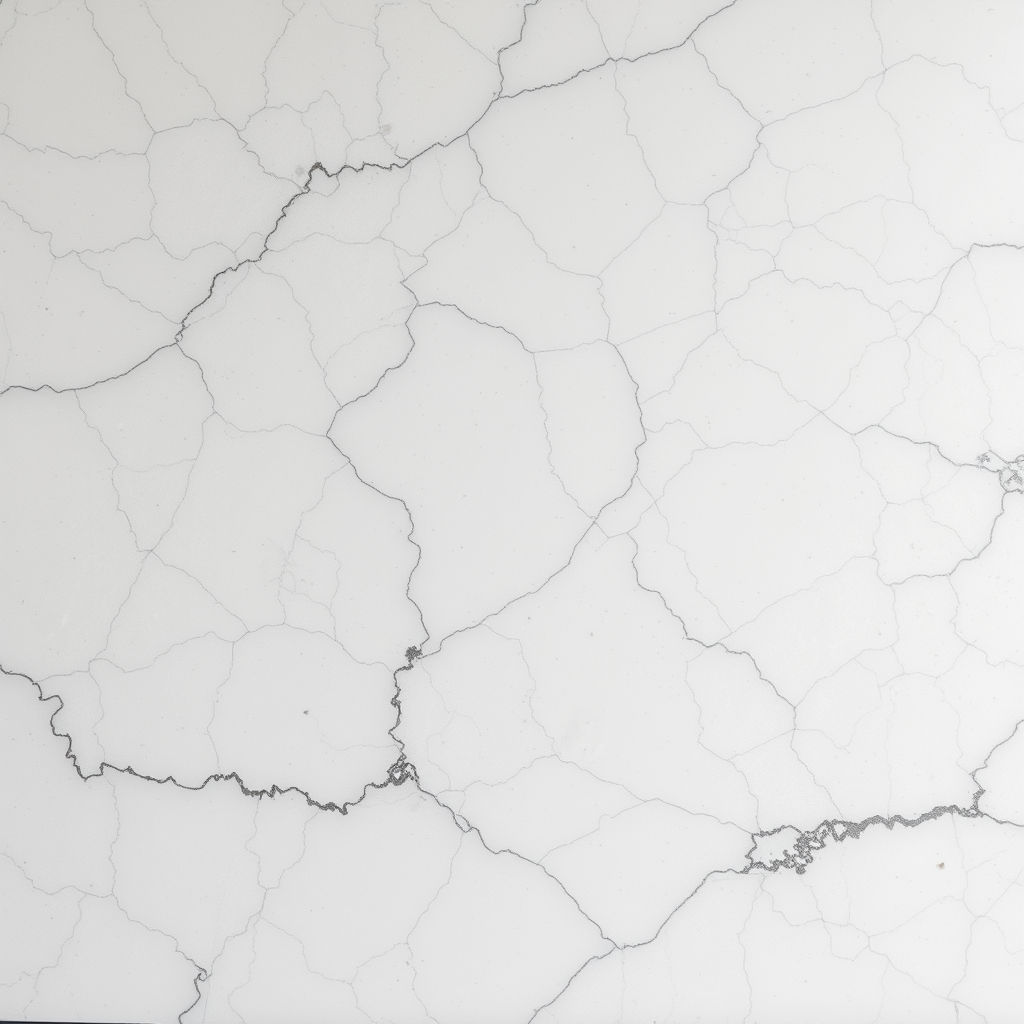


Is Cracked Engineered Stone Repairable? Yes

A crack across a Caesarstone, Smartstone or quartz benchtop can make an otherwise beautiful kitchen feel instantly worn out. The good news is that is cracked engineered stone repairable is usually a yes - provided the damage is assessed properly and the repair is matched to both the stone’s colour and the cause of the crack.
A quality repair does more than fill a visible line. It stabilises the damaged area, restores a smooth finish and blends the repair so it is difficult to notice in normal use. However, not every crack has the same cause or the same repair path. A fine crack near a sink cut-out is very different from a benchtop that has moved, split along a seam or suffered major impact damage.
Is cracked engineered stone repairable in every case?
Most cracks in engineered stone can be repaired on site, including hairline fractures, impact cracks, chipped edges and failed joins. Engineered stone is made from quartz aggregates bound with resin, giving it a hard, low-porosity surface. That construction also means a skilled technician can use specialised colour-matched resin systems to rebuild and blend damaged sections.
The aim is a near-invisible result, not simply a hard patch over the break. The technician needs to assess the stone pattern, surface sheen, depth of the crack and location before choosing the right repair method. A crisp white quartz surface, for example, needs a very different colour blend and polish level to a heavily veined marble-look slab.
There are occasions where repair is not the sensible answer. If a slab has broken into several unstable pieces, has dropped due to inadequate support, or is badly fractured through a large cut-out, replacement or structural work may be required first. A professional assessment should identify this before any cosmetic repair begins.
What causes cracks in engineered stone benchtops?
The visible crack is often only part of the issue. Repairing the line without understanding why it appeared can leave the benchtop vulnerable to cracking again.
Impact is a common cause. A heavy pot, appliance or object dropped onto an edge can chip the stone or create a crack that travels inward from the impact point. Corners, drainer areas and the narrow sections around sink and cooktop cut-outs are particularly exposed.
Heat can also cause trouble. Although engineered stone is durable, placing a very hot pan directly on the surface can create thermal shock. The resin component may be affected by extreme temperature changes, especially where the stone is already under stress. Always use a trivet or heat mat rather than relying on the benchtop to take direct heat.
Movement and poor support are another major factor. Cabinets can settle, walls can shift slightly and unsupported stone around a dishwasher, breakfast bar or sink can flex. A crack along a seam may indicate that the seam has separated, rather than that the slab itself has failed. This is often repairable, but the supporting structure should be checked at the same time.
Cracks can also develop after cut-outs are altered incorrectly. Sink, tap and cooktop openings need precise wet cutting and carefully relieved internal corners. Cutting, drilling or grinding engineered stone without the correct equipment is unsafe and can damage the benchtop further. It can also create hazardous silica dust. This is specialist work, not a DIY job.
How a professional engineered stone crack repair works
A proper repair starts with diagnosis. The damaged area is inspected for movement, hollow spots, loose fragments, contamination and stress around nearby joins or cut-outs. If the stone is still moving, it may need stabilisation before a cosmetic finish can last.
The crack is then carefully prepared so the repair material can bond securely. Depending on the damage, this may involve cleaning out weakened material, realigning a separated section or reinforcing the underside where access allows. High-strength resins and stone repair compounds are selected and tinted to suit the benchtop.
Colour matching is where experience matters most. Engineered stone is not simply white, grey or black. It may contain flecks, translucent particles, veins and subtle changes in tone. A repair may require several colours, applied in fine layers, to avoid a flat or obvious filled line.
Once cured, the repaired area is levelled and refinished to match the surrounding surface. On a polished benchtop, the gloss needs to be restored without creating a noticeable dull or overly shiny patch. On honed or textured finishes, matching the surface feel is equally important. The best repairs are usually far less visible once the kitchen is back in normal use and viewed under everyday lighting.
Cracks around sinks, cooktops and seams need extra care
The narrow stone sections around a sink are among the most common areas for cracking. They carry regular load from washing up, leaning on the benchtop and lifting heavy cookware, while also dealing with moisture and cut-out stress. A crack beside a sink should be repaired promptly, particularly if water can reach the cabinetry beneath.
Cooktop cracks need a different assessment. Heat exposure, cut-out clearance and the condition of any silicone or flexible expansion gap all matter. A rigid repair alone may not solve the problem if the cooktop is pressing against the stone or the opening is too tight.
Seam repairs are also highly specialised. A visible or separated seam can often be rejoined and refinished, but the result depends on whether the slabs are level, properly supported and free from ongoing movement. In some cases, replacing old silicone or epoxy lines is part of achieving a clean, durable finish.
When should you repair rather than replace?
Replacement can involve removing splashbacks, disconnecting appliances, finding a close slab match and potentially replacing more stone than expected. For a localised crack, chip or seam issue, repair is usually the more practical and cost-effective option.
Repair is particularly worthwhile when the benchtop is otherwise sound, the damage is confined to one area and a matching replacement slab is unavailable. It also avoids the disruption that comes with removing a fitted kitchen benchtop.
Replacement becomes more likely when the slab is extensively broken, structurally unstable or damaged across a large central section. It may also be necessary where the underlying cabinetry has failed or the stone was installed with insufficient support. A trustworthy specialist will be clear about the limits of repair rather than promising an unrealistic result.
What to do when you notice a crack
Avoid placing weight on the affected area and do not attempt to force the crack closed. Keep water away from cracks near sinks, especially if there is any chance it can reach the cupboard below. Do not use super glue, hardware-store filler or abrasive sanding products, as these can discolour the surface and make a professional repair more difficult.
If a piece has broken away, retain it if possible. Keep it clean, dry and safely set aside rather than trying to glue it back yourself. Take clear photos from above and at an angle, including a wider photo showing the crack’s position near any sink, cooktop, edge or seam. This helps a repair specialist make an early assessment before attending.
ChipFix Stone Benchtop Repairs carries out specialist on-site repairs for engineered stone and natural stone surfaces across New South Wales. The right repair can save a premium benchtop, protect the cabinetry below and restore the finish without the upheaval of replacement.
A crack does not automatically mean your benchtop is beyond saving. Acting early, avoiding DIY fixes and having the cause checked by a stone repair specialist gives you the best chance of a strong repair that blends back into the surface you chose in the first place.


Comments