

Professional Benchtop Repair Review Explained

A chip beside the sink, a crack running from a cooktop cut-out, or a darkened seam can make an otherwise beautiful kitchen feel tired overnight. This professional benchtop repair review explains what separates a convincing stone repair from a quick cosmetic cover-up, so you can decide whether restoration is the right answer for your surface.
For most homeowners, the goal is simple: restore the benchtop’s appearance and function without the cost, disruption and risk of replacing a full slab. Achieving that result is less simple. Stone varies by material, colour, pattern, thickness, age and the cause of the damage. A quality repair starts with diagnosis, not filler.
What a professional benchtop repair review should examine
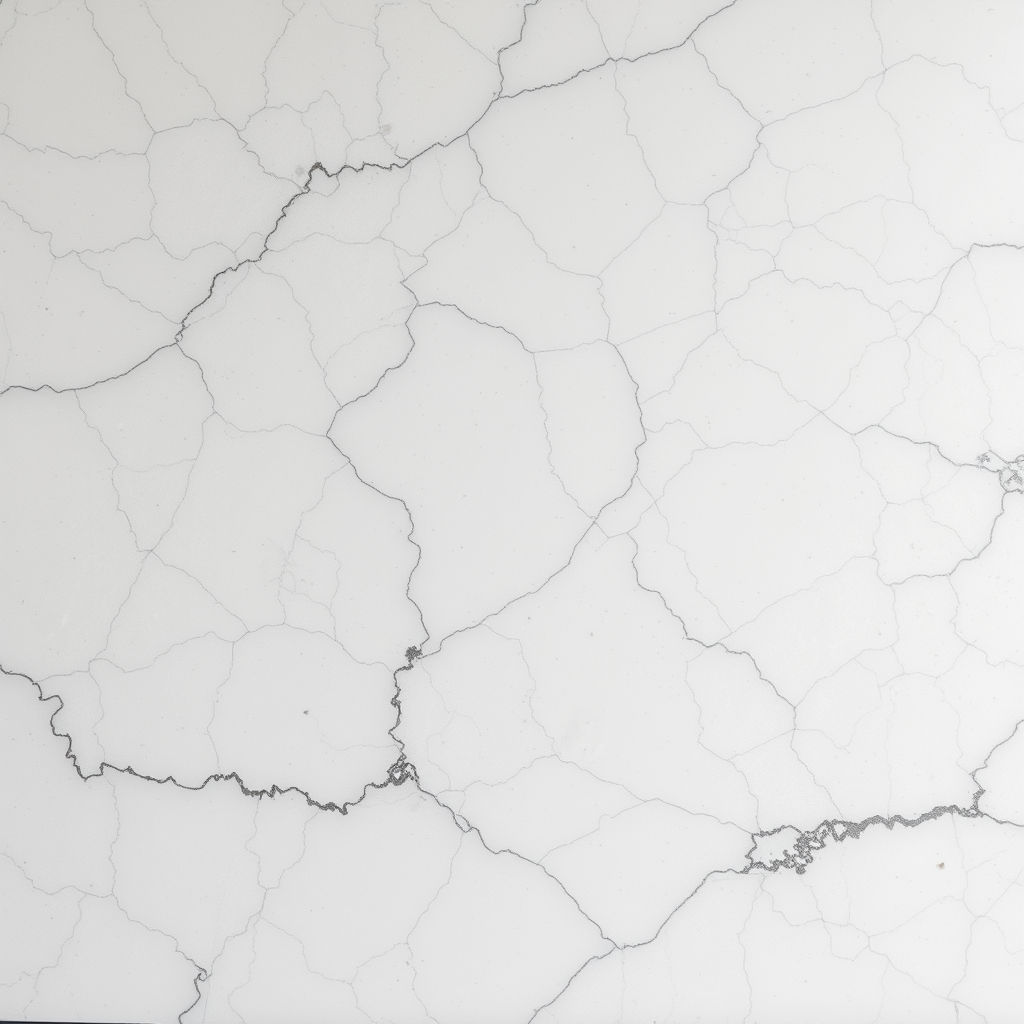
A proper assessment looks beyond the visible mark. A small chip on the front edge may be isolated impact damage. A crack near a sink, however, may point to movement, poor support, a stressed cut-out or a seam that has begun to separate. Repairing only the surface without addressing the source can lead to the same issue returning.
The technician should identify the benchtop material first. Engineered stone products such as Caesarstone, Smartstone and other quartz-based surfaces have a different composition and finish from natural marble or granite. Each responds differently to pigments, resins, polishing methods and heat. The repair approach that suits a pale quartz surface may be unsuitable for a porous, veined marble benchtop.
Location matters as much as material. Damage on a flat work surface is often easier to blend than a chip on a polished arris edge or a crack crossing a highly patterned section. A good assessment will set a realistic expectation: the aim is a near-original finish, but a repair in a prominent area under direct light may retain a faint trace on close inspection.
The difference between repair and replacement
Benchtop replacement is sometimes necessary, particularly where a slab is severely fractured, badly bowed, structurally unsupported or affected by extensive damage. It can also be the sensible choice if a renovation is already underway and the layout, sink or appliances are changing.
But replacement is not automatically the better option. Matching an existing stone can be difficult, especially when a colour or pattern has been discontinued. Removal can disturb splashbacks, cabinetry, plumbing and appliances, while a new slab may introduce variation that is more noticeable than a well-executed repair. For localised chips, seam failures, stains and cosmetic wear, professional restoration is often the more practical and cost-conscious path.
The best advice is not always the most dramatic solution. It depends on whether the damage affects structure, hygiene, water resistance or simply appearance. An experienced specialist should be clear about that distinction before work begins.
How quality chip and crack repairs are carried out
A professional repair is a controlled process rather than a single application of adhesive. The damaged section is prepared to remove loose material and create a stable repair area. The technician then selects and colours a suitable resin system, building it to match the stone’s base tone, flecks, movement and surface profile as closely as possible.
Once cured, the repair is shaped, refined and polished to bring the sheen back into line with the surrounding bench. On honed, leathered or textured finishes, matching the feel of the surface is as relevant as matching the colour. A repair can be technically sound but still stand out if the gloss level or texture is wrong.
Cracks require extra care. Where appropriate, the repair needs to stabilise the damaged area and reduce the visual line, rather than merely filling it. The underlying cause should also be considered. For example, a crack around a cooktop may require attention to clearances, support or heat-related stress before the cosmetic finishing is completed.
Seam repairs need more than fresh silicone
A failed benchtop seam is often mistaken for a simple cleaning or sealing problem. In reality, seams can open because of movement, insufficient bonding, moisture exposure, poor installation or pressure around a sink cut-out. The repair may involve cleaning out deteriorated material, rejoining the seam, colour-matching epoxy and refinishing the joint so it sits neatly with the stone.
Silicone lines around sinks and splashbacks have a separate job. They help manage water movement and protect the join between different materials. If silicone is mouldy, lifting or discoloured, replacement can improve both the look and the hygiene of the area. It should not, however, be used to disguise an unstable stone seam.
A worthwhile review of seam work considers alignment, bonding, colour, water exposure and the condition of nearby cabinetry. That is the difference between a neat result that lasts and a line that splits again after a few months of normal use.
What affects the visibility of the finished repair?
No reputable specialist should promise that every repair will be completely undetectable from every angle. Stone reflects light, and polished surfaces can reveal subtle differences when viewed closely or under strong downlights. The more honest standard is whether the damage is difficult to notice in normal use and whether the benchtop has regained a clean, consistent appearance.
Several factors influence the final result. Plain white or black surfaces can be unforgiving because even a small change in tone is visible. Complex patterns, speckles and natural movement can make blending easier, provided the repair colours are layered carefully. Damage in a low-traffic corner may be far less noticeable than the same damage at the edge of an island bench.
Age can also play a part. A stone surface that has been exposed to years of sunlight, cleaning products or wear may have changed slightly from its original factory finish. A skilled technician matches the benchtop as it exists now, not simply the sample colour shown in a brochure.
Questions to ask before booking a repair
When comparing repair services, focus on process and evidence rather than the lowest quote alone. Ask whether the technician works specifically with engineered and natural stone, how they assess cracks and seam failures, and whether they can explain the likely finish for your exact type of damage.
Photos are usually the fastest way to obtain useful advice. Take clear images from directly above and from a slight angle, then include a wider photo showing the damage in context. For cracks and seams, photograph the underside of the benchtop or cabinet area too if it is safely accessible. Mention the stone brand if known, the age of the installation and whether the issue appeared suddenly or developed over time.
It is also reasonable to ask what preparation, curing and finishing will occur on site. You want a technician who protects surrounding cabinetry and flooring, manages dust and leaves the area clean. If alterations are required for a sink, tap, cooktop or appliance, wet-cutting methods and accurate measurements matter greatly. A millimetre can affect fit, support and the look of the finished installation.
Why specialist experience matters
Stone benchtops are not a general handyman job. Adhesives, pigments and polishing compounds must suit the material and the repair must account for stress points, water exposure and the surface finish. A well-meaning shortcut can leave a repair yellowed, proud of the surface, dull, rough or vulnerable to future failure.
ChipFix Stone Benchtop Repairs brings specialist experience to on-site chip, crack, seam and cosmetic repairs across New South Wales. For homeowners who have invested in premium stone, the value lies in having a technician who understands how engineered stone and natural stone behave, then applies a repair method tailored to the actual problem.
When to act quickly
Not every chip is urgent, but damaged stone near water should be assessed promptly. A chip on the sink rim, an open seam or a crack that catches a fingernail can allow moisture and grime into places that are harder to clean. Cracks near cooktops, unsupported overhangs or appliance cut-outs also deserve prompt attention, particularly if they appear to be growing.
Until the repair is assessed, avoid harsh chemicals, heavy impacts and placing hot cookware directly over the affected area. Do not attempt to sand, drill or fill the damage with an off-the-shelf product. These attempts can spread staining, alter the polish and make a professional colour match more difficult.
A damaged benchtop does not always need a new slab, a renovation or weeks of upheaval. With the right diagnosis and careful on-site workmanship, many surfaces can return to a finish you are pleased to see every time you walk into the kitchen.


Comments