
Stone Joint Rejoining Service Explained

A failed seam has a way of making an otherwise premium benchtop look tired fast. If you are searching for a stone joint rejoining service, chances are you have noticed a visible line opening up, uneven edges where two sections meet, old silicone discolouring, or movement around a sink or cooktop cut-out. These issues are not just cosmetic. Left alone, they can collect grime, weaken the join, and make everyday use feel less solid than it should.
For most homeowners, the first concern is simple - can it be repaired properly, or does the whole top need replacing? In many cases, a professional rejoin is the smarter option. When the underlying stone is still sound, restoring the seam can bring the benchtop back to a much cleaner, tighter, more original-looking finish without the cost and disruption of a full replacement.
What a stone joint rejoining service actually fixes
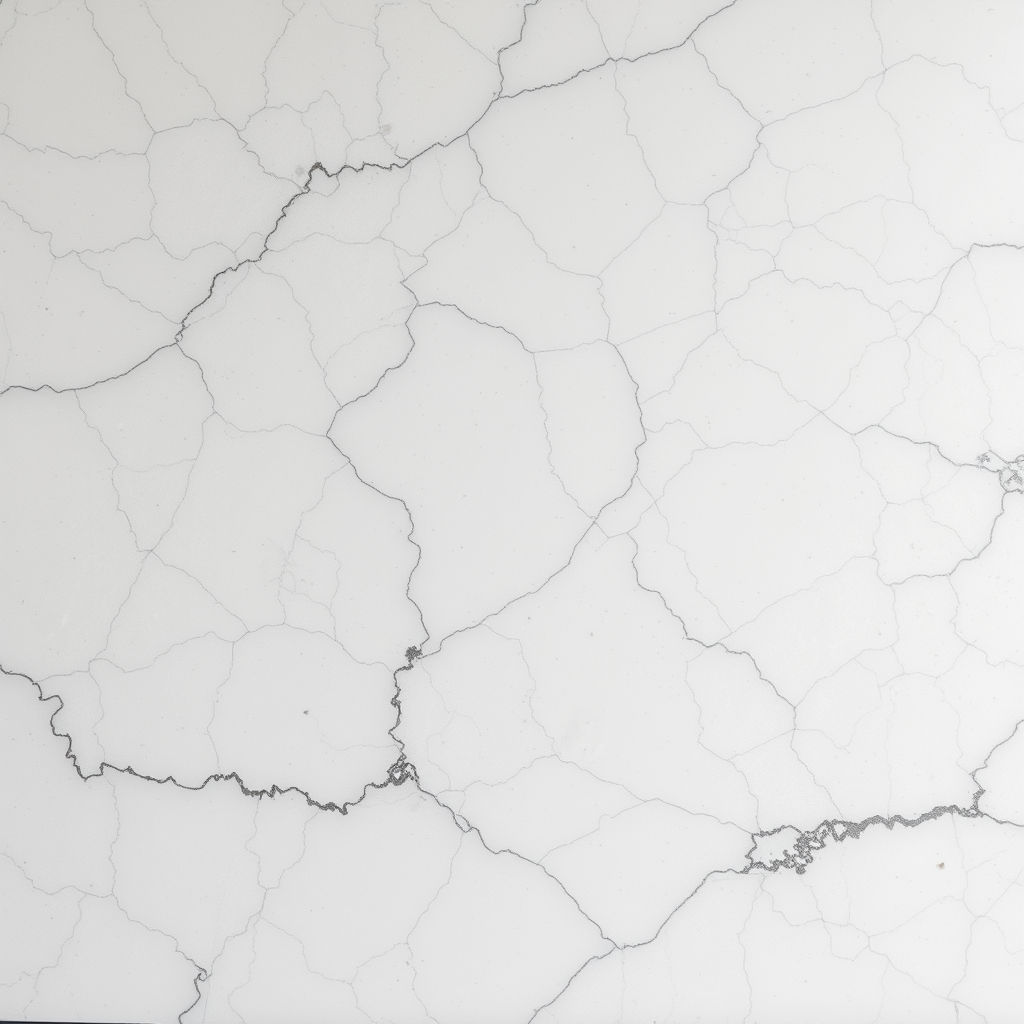
Stone benchtops are often installed in sections, then joined on site. That join needs to be accurate, stable, and well finished. When it starts to fail, the signs are usually easy to spot. You may see the seam widen, feel a lip between the two pieces, notice filler pulling away, or find the line has become darker from moisture and dirt.
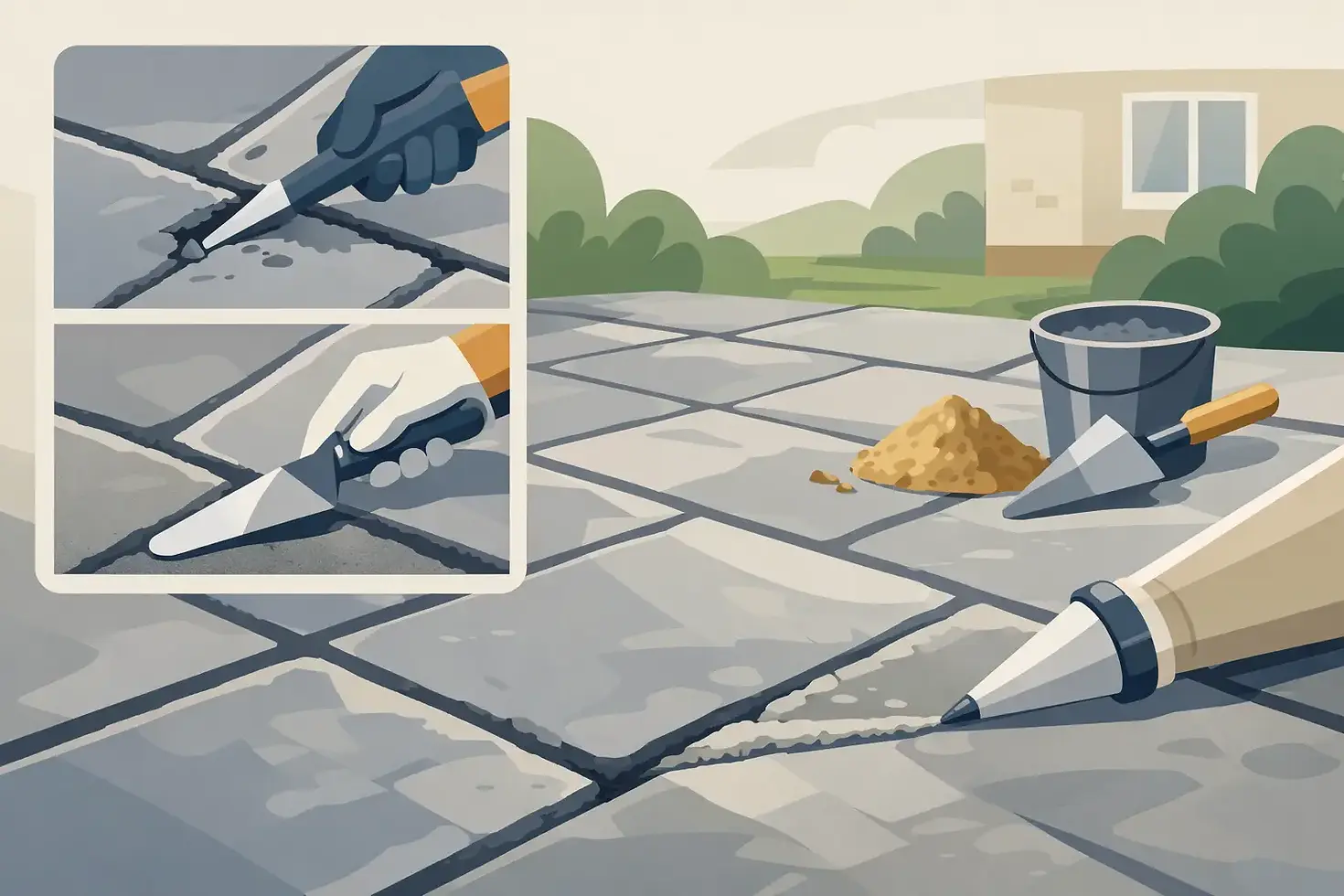
A proper stone joint rejoining service is not just a matter of adding fresh product over the top. The failed material usually needs to be removed, the surfaces cleaned and assessed, and the join rebuilt correctly so both appearance and performance improve. Depending on the benchtop, that can also involve replacing old silicone or epoxy lines and refining the finish around the seam so the repair blends as closely as possible.
In kitchens, seam problems often show up around sink runs, waterfall ends, breakfast bars, and long spans where movement has put the join under stress. In bathrooms, vanity tops can also develop joint issues over time, especially where moisture has repeatedly worked into the seam.
Why benchtop seams fail in the first place
There is not one single cause, and that matters because the right repair depends on why the join opened. Sometimes the issue goes back to the original installation. If the sections were not aligned well, if the adhesive was not appropriate, or if support underneath was uneven, the seam may fail earlier than it should.
In other cases, age and use are the bigger factors. Homes move slightly over time. Cabinetry can settle. Heat near cooktops can affect some seam materials. Water around sinks can break down old lines or stain them badly enough that the join becomes far more noticeable.
Then there are impact and load issues. People do not usually think of a benchtop as something that flexes, but overhanging sections, unsupported spans, and heavy pressure in the wrong area can all affect a seam. That is why a good technician does more than look at the line itself. They look at the surrounding stone, the support beneath it, and whether there is a contributing issue that should be corrected at the same time.
When rejoining is the better option than replacement
Replacement sounds straightforward until you factor in templating, removal, plumbing disconnections, appliance coordination, and the risk of damaging surrounding cabinetry or splashbacks. For many homes, replacing an entire benchtop because one seam has failed is unnecessary.
A rejoin is usually the better option when the stone panels themselves are still structurally sound, the damage is localised to the seam, and the goal is to restore the look and usability of the existing top. It is also the more practical path when the original colour or pattern would be difficult to match with new material.
That said, it depends on the extent of the problem. If the stone around the join is badly cracked, if there has been significant water damage to cabinetry, or if previous repair attempts have left the area unstable, the scope of work may be broader. An experienced assessment is what separates a proper solution from a temporary cover-up.
What to expect from a professional stone joint rejoining service
The quality of this type of repair comes down to preparation, material knowledge, and finishing skill. Premium engineered stone and natural stone do not all behave the same way. Caesarstone, Smartstone, marble, granite, and quartz-based surfaces each have different characteristics when it comes to colour blending, hardness, porosity, and seam refinement.
A specialist will typically begin by assessing the failed joint, checking alignment, and identifying whether movement, contamination, or adjacent damage is part of the issue. The old seam material then needs to be removed carefully without creating unnecessary damage to the edges of the stone.
From there, the rejoining process is about precision. The joint needs to be brought back together correctly, bonded with the right system for the material and application, and refined so the line is tighter and less distracting. If the area includes old silicone or epoxy that has yellowed, shrunk, or lifted, replacing those lines at the same time often makes a major difference to the final result.
Finishing is where the workmanship shows. A seam can be technically repaired but still stand out if the edges are uneven or the surrounding finish is inconsistent. The best outcome is one where the repaired join looks cleaner, sits flatter, and does not draw the eye the way it did before.
Why specialist repair experience matters
Stone restoration is a narrow trade. Seam rejoining sits even further inside that niche because it requires both structural judgment and cosmetic control. A general handyman may be able to apply filler. That is not the same as understanding stone composition, seam failure patterns, and how to restore the area without making it more obvious.
This is especially true on premium benchtops where homeowners expect near-invisible results. The repair has to respect the material. Over-polishing one section, using the wrong tone in the joint line, or failing to stabilise the cause of movement can leave the benchtop looking patched rather than restored.
That is why many clients prefer a business built specifically around benchtop repair rather than replacement. ChipFix Stone Benchtop Repairs, for example, is known for on-site restoration work where visual finish matters just as much as technical correction. That specialist focus is what gives homeowners confidence when they want the damage handled properly the first time.
Signs you should book a stone joint rejoining service soon
Some seam issues can sit for months with little change. Others deteriorate quickly. If crumbs, water, or cleaning residue are getting into the joint, if the line is lifting near a sink, or if you can feel one side sitting higher than the other, it is worth having it assessed sooner rather than later.
The same applies if the join has become more visible after years of looking fine. A darkening seam often means contamination has worked into the line. That can usually be improved, but delaying too long may allow surrounding materials to degrade further.
If there is cracking radiating from the seam, the situation needs closer attention. It may still be repairable, but the repair plan may need to address both the joint and the adjacent stone to achieve a stable result.
Getting the best result from your repair
Clear photos help. A close-up of the seam, a wider shot showing the full benchtop area, and any supporting views underneath can make quoting and diagnosis much easier. If the joint is near a sink, cooktop, or waterfall edge, include that in the images as well.
It also helps to mention the stone type if you know it, whether the seam has been repaired before, and whether the issue has worsened recently. Those details give the technician a better starting point and reduce guesswork.
Most importantly, avoid DIY fixes. Household fillers, hardware store adhesives, and silicone applied over a failed seam usually make proper restoration harder. They contaminate the area, affect adhesion, and often leave a repair that looks worse than the original problem.
A well-executed seam repair does more than tidy up a line. It restores confidence in the benchtop as a finished surface you use every day. When the join is addressed properly, the whole room tends to look sharper again - and that is usually the result homeowners were hoping for from the start.


Comments