

7 Clear Signs Your Benchtop Needs Repair

A chipped edge beside the sink can look minor on day one. A few weeks later, that same spot may catch on cleaning cloths, collect grime or develop into a more noticeable break. Knowing the signs your benchtop needs repair helps you act while a specialist can restore the surface cleanly, often without the cost, mess and disruption of replacement.
Stone benchtops are hard-wearing, but they are not indestructible. Engineered stone, quartz, marble and granite can all suffer impact damage, movement-related cracking, staining and wear around high-use areas. The right repair depends on the stone, the location of the damage and what caused it in the first place.
1. A chip has appeared on an edge or corner
Chips are among the most common benchtop issues, particularly around sink cut-outs, cooktop openings, breakfast bar corners and outside edges. A dropped pot, bottle or heavy utensil can remove a small piece of stone in an instant.
Even a small chip is worth assessing. Apart from being visually distracting, it can leave a sharp edge and make a premium surface look neglected. Chips on a polished Caesarstone, Smartstone or quartz benchtop are often especially noticeable because light reflects differently across the damaged area.
A professional colour-matched repair can rebuild the missing section, refine the profile and blend the finish back into the surrounding stone. Results vary with the pattern and location of the damage, but early repairs usually offer the best opportunity for a near-invisible result.
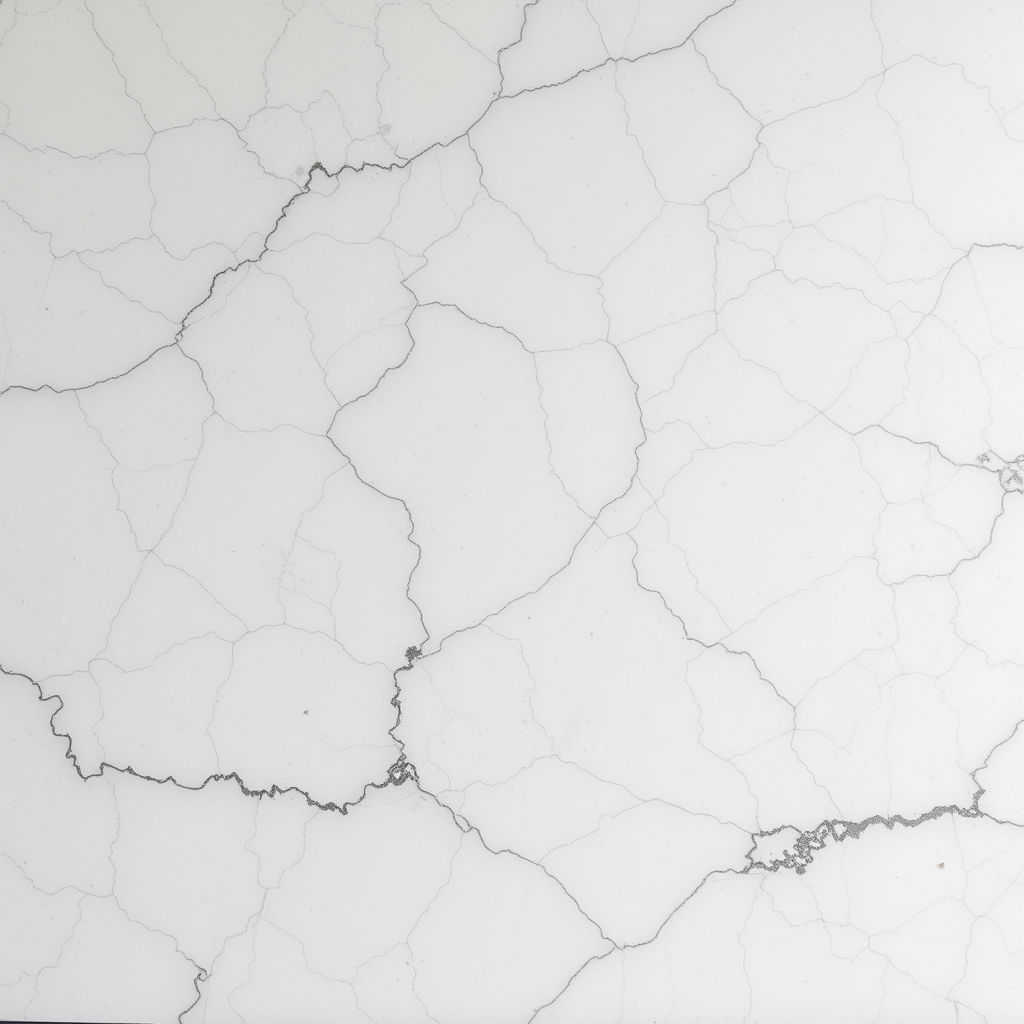
2. There is a crack, even if it looks like a hairline
A fine line in stone should never be ignored. It may be a superficial mark in the finish, but it can also indicate movement, impact or insufficient support beneath the benchtop. Cracks often appear around sink and cooktop cut-outs because these areas have less material and carry more stress.
Look closely at any line that has recently appeared, catches your fingernail or seems to be getting longer. A crack that travels from a corner of a cut-out, follows a seam or sits above cabinetry joins deserves prompt attention.
The repair process is not simply about filling the crack. A specialist needs to determine why it formed, then stabilise and repair it using the correct materials and technique for that particular surface. If the underlying cause is not considered, a cosmetic fix may not last.
3. Your benchtop seam has opened, lifted or changed colour
Seams join two pieces of stone, commonly on longer kitchen runs, island benches and L-shaped layouts. A good seam should be neat and unobtrusive. If it has opened, feels uneven, has started lifting, or shows a dark or yellowed line, it is a clear sign the joint needs attention.
Seam problems can develop as cabinetry settles, moisture reaches the joint, adhesives age or the stone experiences pressure. You may first notice crumbs catching in the gap, water sitting along the line or a ridge that was not there before.
Seam rejoining is a precision job. The stone needs to be correctly aligned before the joint is secured and finished. Simply adding silicone over an opening may hide the problem briefly, but it will not restore the integrity or appearance of the seam.
4. Stains or dull patches no longer clean away
Not every mark means the benchtop is damaged. Surface residue from cooking oils, hard water, cleaning products or soap can often be removed with the right cleaning method. However, persistent discolouration, dull patches or etched areas may need professional restoration.
Natural stones such as marble and some granites can be more susceptible to etching and staining than engineered stone. Acidic spills, including lemon juice, wine and some bathroom products, can alter the polished finish on marble. On engineered stone, harsh cleaners or abrasive pads may leave cloudy patches or reduce the even sheen of the surface.
If you have cleaned the area carefully and it still looks different from the surrounding stone, avoid escalating to stronger chemicals or aggressive scrubbing. The wrong treatment can make the affected area larger. A targeted clean, polish or rejuvenation service can often improve the finish without unnecessary removal of material.
5. The silicone around your sink is mouldy, split or pulling away
The silicone line around a sink may seem separate from the benchtop itself, but it plays an important role in protecting cabinetry and supporting a clean finish. When silicone becomes mouldy, cracked, loose or discoloured, water can find its way beneath the stone and into the cabinet below.
This is particularly common in busy family kitchens and bathrooms, where water regularly sits around basins and splashbacks. A blackened or peeling line also undermines the appearance of an otherwise beautiful stone top.
Replacing old silicone is a detailed finishing task. The existing material needs to be removed cleanly, the area prepared properly and a new line applied neatly. It is a small repair that can make the entire sink area look sharper while helping prevent moisture-related issues.
6. A cut-out has been altered or no longer fits correctly
New appliances do not always match the dimensions of old ones. A replacement cooktop, sink or tap can leave you with a cut-out that is too small, poorly aligned or unsuitable for the updated fitting.
Trying to force an appliance into place, grinding the stone dry or taking a DIY approach to a cut-out can cause chips, cracks and costly damage. Stone requires the correct equipment, accurate measurements and controlled wet-cutting methods.
This is one of the signs your benchtop needs repair or alteration rather than replacement. In many cases, an experienced technician can carefully modify the existing opening on site so the new appliance fits properly. Whether this is suitable depends on the remaining stone thickness, edge clearances, cabinetry and the type of stone involved.
7. The surface feels rough, uneven or visibly worn
A benchtop should feel smooth and consistent under your hand. If it has rough spots, small pits, scratches, worn patches or an uneven shine, the surface may benefit from restoration work.
Wear tends to show first near the sink, around frequently used preparation zones and on bathroom vanity tops exposed to cosmetics, soaps and cleaning products. A loss of polish on natural stone can be particularly obvious in direct sunlight or under pendant lighting.
The best solution depends on the surface. Marble and granite may respond well to specialist cleaning, honing and polishing. Engineered stone requires a different approach because its composition and factory finish are not the same as natural stone. A proper assessment prevents unsuitable products or methods from being used.
When to arrange an assessment
If damage is sharp, spreading, close to a sink or cooktop, or affecting a seam, it is sensible to arrange an assessment sooner rather than later. Take a few clear photos from close up and from a wider angle, including the edge profile and the surrounding area. This helps a repair specialist understand the stone type, damage location and likely repair approach before arriving.
For premium surfaces, replacement is not always the answer. ChipFix Stone Benchtop Repairs provides on-site repairs for chips, cracks, seams and cosmetic stone damage across New South Wales, with specialist knowledge of engineered and natural stone surfaces.
A benchtop is one of the hardest-working surfaces in the home. Addressing a small flaw early protects the finish you invested in and lets you enjoy the kitchen or bathroom without being drawn back to the damage every time you walk past.


Comments