

Top Causes of Benchtop Cracks in Australian Homes

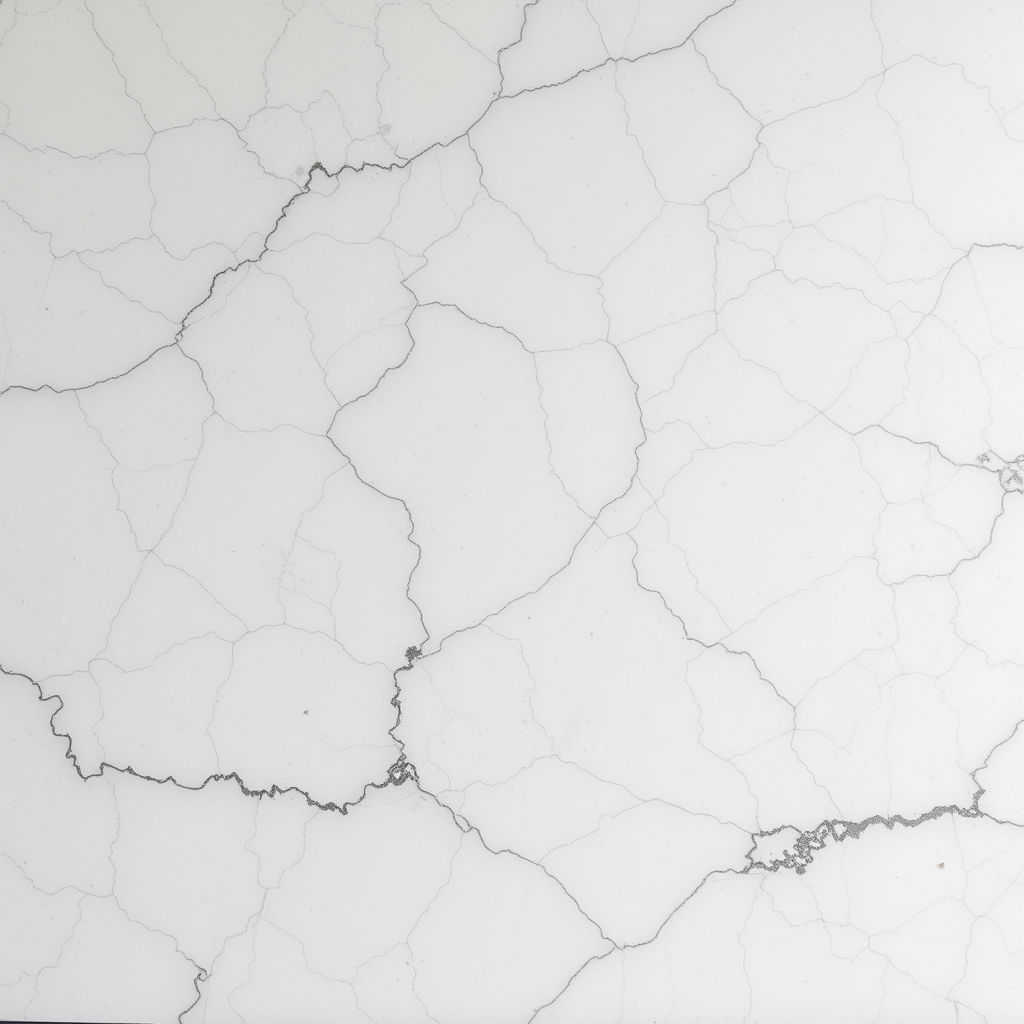
A fine line beside the sink, a split near the cooktop or a separation along a join can be easy to dismiss at first. But the top causes of benchtop cracks are rarely just cosmetic. A crack may point to movement in the cabinetry, stress around a cut-out, excess heat or an earlier installation issue. Identifying the cause before repairing the surface gives the repair the best chance of lasting.
Stone benchtops are exceptionally durable, but they are not indestructible. Engineered stone such as Caesarstone, Smartstone and quartz surfaces have different characteristics to natural marble and granite, yet every material can crack when pressure, movement or heat is concentrated in the wrong place. The location and shape of the damage often tell an experienced technician a great deal.
Top Causes of Benchtop Cracks
Stress around sink and cooktop cut-outs
Sink and cooktop openings are the most vulnerable areas of many benchtops. Removing material to create a cut-out leaves narrow stone rails at the front, back and sides. These sections carry less support than the rest of the slab, particularly at the internal corners where stress naturally concentrates.
A crack running from the corner of a sink or cooktop cut-out is often related to flexing, insufficient support or an impact. Heavy cast-iron cookware dropped into a sink, a person leaning heavily on the benchtop, or a poorly supported cut-out can all place pressure on these narrow rails.
The problem may not appear immediately after installation. Small movement over time can gradually weaken the area until a visible crack develops. Repairs can often restore the appearance and reinforce the damaged section, but the underlying support must be checked as well. Without that step, a repaired crack may return.
Cabinet movement and uneven support
A stone benchtop depends on the cabinetry beneath it. If cabinets settle, twist, move after water damage, or are not level from the outset, the stone can be forced to bridge a gap. Stone is strong under evenly distributed load, but it does not respond well to bending.
This is particularly common where a benchtop spans a dishwasher, washing machine cavity, wide bank of drawers or open void without adequate support. A crack may appear near the front edge, across a narrow section, or close to a join. In older homes, seasonal movement in floors and walls can also affect cabinetry alignment.
Before arranging a cosmetic repair, look for signs that the cabinet has shifted. Doors that no longer align, gaps opening around kickboards, a benchtop that feels unsupported when pressed, or water swelling inside the cabinet are all worth investigating. A quality repair should be paired with a stable base.
Heat and thermal shock
Heat is another common reason for benchtop cracking, especially on engineered stone. Placing a hot saucepan, roasting tray, air fryer basket or appliance directly on the surface can create a sudden temperature change in one concentrated area. The risk increases when the slab is cold, the item is extremely hot, or the hot object is positioned close to a cut-out or seam.
Thermal damage does not always look like a dramatic split. It may begin as a dull patch, discolouration, fine cracking or a change in surface sheen. Natural stone also needs care. Some marbles and granites tolerate heat better than engineered products, but sealers, resins and veins within natural stone can still be affected.
Trivets and heat pads are a simple precaution, particularly beside the cooktop. If a crack has appeared after a heat event, avoid applying more heat or attempting a DIY filler. The material and finish need to be assessed so the repair method suits the surface.
Heavy impact and edge damage
The edge of a benchtop is exposed to daily knocks from pots, glassware, appliances and moving furniture. A single sharp impact can chip an edge, while a stronger blow can start a crack that travels back into the slab. Damage is more likely around overhangs, breakfast bars and unsupported corners.
A visible chip should not be ignored simply because it is small. On some surfaces, a chip at the edge can act as a starting point for further cracking, especially where the area is regularly bumped. Repairing it early can protect both the appearance of the benchtop and the strength of the edge.
It also matters how the edge was fabricated. Mitred edges, laminated build-ups and detailed profiles can have joins that are less forgiving than a solid square edge. These areas require a repair matched carefully for colour, pattern and polish level.
Failed or stressed seams
Most larger stone benchtops include seams where two pieces meet. A seam is not automatically a defect. When it is properly prepared, bonded and supported, it should remain neat and stable. However, movement in the cabinetry, heat, moisture or inadequate adhesive can cause a seam to open, crack or become more visible over time.
Seam issues often appear as a hairline separation, a raised edge that catches your hand, or a dark line that was not present before. The area may be close to a sink, at an L-shaped corner, or where a long run joins an island. Water entering an open seam can create further problems, particularly around sink cabinetry.
A seam repair is more than filling a line with sealant. The surfaces need to be aligned, properly bonded and finished so the repair is secure and visually discreet. Where movement caused the separation, the support and level of the benchtop should be addressed first.
Water damage around sinks and taps
Stone itself is not usually damaged by a small amount of water, but persistent leaks beneath a sink can affect the cabinet structure supporting it. Swollen particleboard, deteriorated timber and softened supports can allow the benchtop to shift. That movement may then place stress on the stone rails around the sink.
Check regularly for dampness under the sink, failed silicone around the rim, drips from tap connections and deterioration around mixer holes. If water damage is caught early, the cabinet can be stabilised before a minor crack becomes a larger break.
Natural stone has an additional consideration. Some marbles and granites can absorb moisture if sealing has worn away, which may lead to darkening or staining. That is different from a structural crack, but it still calls for the right assessment and treatment.
When a Hairline Crack Needs Attention
Not every line on a benchtop is a crack. Natural stone can have veins, fissures and colour variation formed within the slab. These are often part of the material's character and may have been present from installation. Engineered stone can also show patterns that look like fine lines from certain angles.
A new line deserves attention when it catches a fingernail, changes over time, runs from a cut-out corner, crosses a seam, or is accompanied by a chip, movement or lifting edge. Cracks around sinks, cooktops and overhangs should be assessed promptly because these areas can be under ongoing stress.
Avoid using household glues, silicone or off-the-shelf fillers as a permanent fix. They can discolour, leave a visible patch and make a professional colour match more difficult. They also do not correct the structural reason the crack occurred.
Protecting Your Benchtop After Repair
The right repair approach depends on the stone type, the crack location and the source of the damage. A fine surface crack in marble calls for a different method to a fractured engineered-stone rail around an undermount sink. In some cases, reinforcing the underside, rejoining a seam or correcting cabinetry support is as necessary as restoring the top surface.
Once repaired, treat the area with sensible care. Use heat protection, avoid standing or sitting on overhangs, keep sink cabinets dry and do not place excessive weight on narrow sections around cut-outs. If a cabinet has been altered for a new dishwasher or appliance, ensure the benchtop remains fully supported.
For homeowners who want the damage restored without replacing an entire slab, a specialist assessment can clarify what has happened and whether an on-site repair is suitable. ChipFix Stone Benchtop Repairs uses material-specific techniques to repair chips, cracks and seams with a near-original finish, while considering the cause behind the damage.
A crack does not always mean your benchtop has reached the end of its life. Acting while the damage is contained, and making sure the surface is properly supported, can preserve the stone you chose and the kitchen you enjoy using every day.


Comments