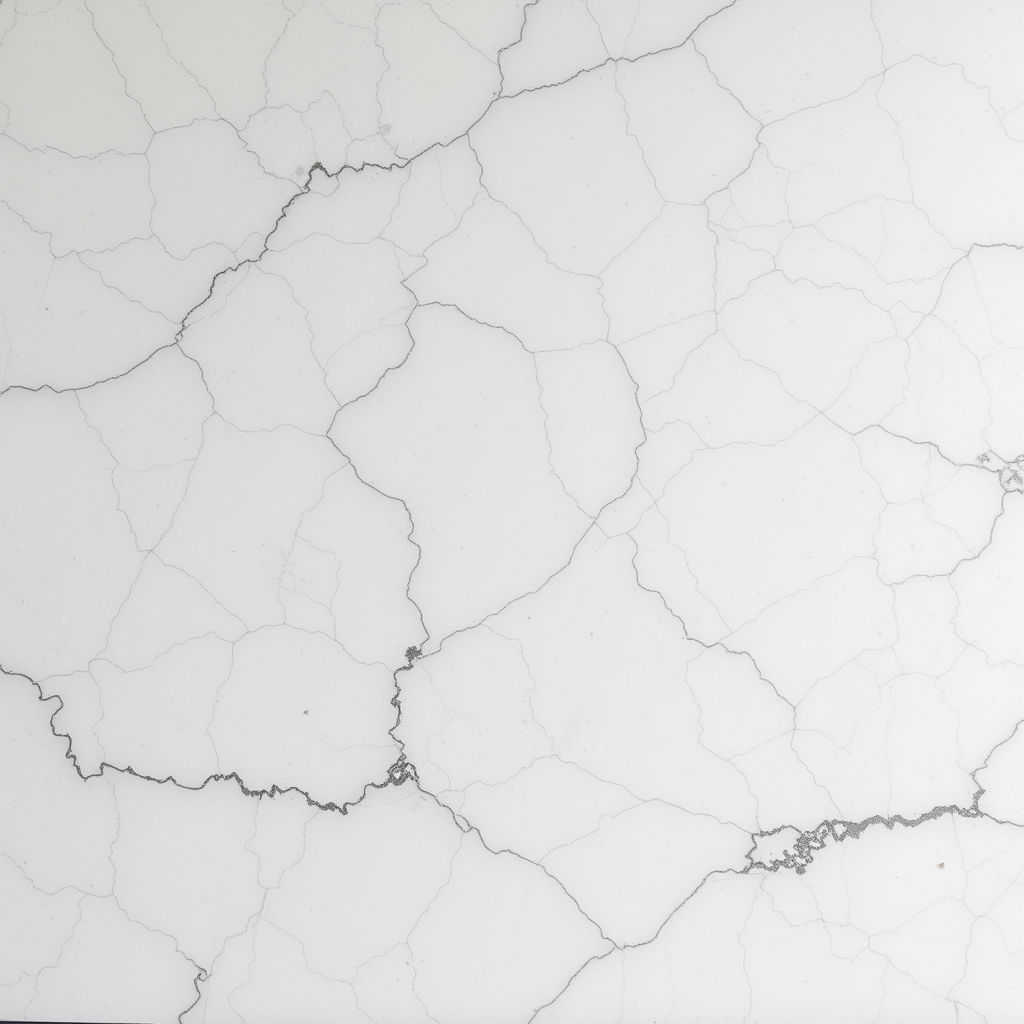


Top Options for Repairing Damaged Benchtops

A chipped edge beside the sink, a dark line through a seam or a crack near the cooktop can make an otherwise beautiful kitchen feel unfinished. When comparing the top options for damaged benchtops, replacement is not always the sensible first move. In many cases, a specialist on-site repair can restore the appearance and function of the surface without the disruption, cost and waste of removing the entire slab.
The right option depends on the material, the location of the damage and whether the issue is cosmetic or structural. Engineered stone, marble, granite and quartz-based surfaces all behave differently, so a repair that suits one benchtop may not be suitable for another.
Top options for damaged benchtops
Specialist chip and crack repair
For small chips, impact marks and localised cracks, colour-matched resin repair is often the strongest option. This is particularly effective on exposed edges, around sink cut-outs, beside cooktops and on corners where a dropped plate or heavy pot has caused damage.
A quality repair is more than filling the missing area with a generic product. The repair material needs to be matched to the stone's base colour, pattern and level of gloss, then carefully shaped, cured and polished. On a plain white engineered stone surface, even a slight colour variation can stand out. On marble or granite, the technician may need to recreate movement or flecks in the stone so the repaired section sits naturally within the surrounding surface.
Not every chip can be made completely invisible, especially if a large section is missing or the stone has a highly distinctive pattern. However, the aim should be a near-original finish that is difficult to notice in normal kitchen use, while also removing sharp edges and protecting the damaged area from further deterioration.
Seam repair and rejoining
A visible or failing join between two benchtop pieces calls for a different approach. Seams can become discoloured, sink slightly, crack or open over time. Movement in cabinetry, moisture exposure, poor original bonding or heavy loads placed near the join can all contribute.
Rejoining a seam involves removing compromised material where required, stabilising the two sections and rebuilding the line with a colour-matched adhesive. The surface is then levelled and polished so the join is cleaner and less noticeable. If the issue is limited to a stained or worn silicone line around a splashback or sink, replacing that line may be enough. If the stone itself has separated, a proper seam repair is needed.
This is not a job for a quick squeeze of hardware-store silicone. The wrong product can stain porous stone, leave a glossy line on a matte finish or fail again within months.
Surface rejuvenation, honing and polishing
Sometimes the benchtop is intact but no longer looks its best. Etching on marble, dull patches, fine scratches, water marks and general wear can make a premium surface appear older than it is. Rejuvenation is designed for these broader cosmetic issues rather than a single chip or break.
Natural stone often responds well to professional honing and polishing, provided the surface has enough material to work with and the finish is suited to the process. Polished marble may need an affected area carefully refinished to reduce etching caused by acidic foods or cleaners. Granite can often be cleaned, polished and resealed where appropriate.
Engineered stone needs a more measured approach. Its finish is factory-produced, and aggressive polishing can create an obvious patch, alter the sheen or expose inconsistencies. A technician should assess whether targeted cleaning, a light cosmetic treatment or a local repair will produce the most even result.
Cutting alterations for new appliances and fittings
A damaged benchtop is not always the only reason a surface needs attention. Renovations can leave homeowners needing a larger cooktop opening, a different sink cut-out or an additional tap hole. Where the existing stone is otherwise in good condition, a precise wet-cut alteration can be far more practical than replacing the whole benchtop.
This work requires accurate measuring, the correct cutting method and care around internal corners, which are natural stress points in stone. It also needs to account for clearances specified by the appliance manufacturer and the support beneath the benchtop. A rushed cut can create a crack that turns a straightforward update into a much larger repair.
When repair is usually the better choice
Repair is generally worth considering when the damage is contained, the benchtop remains stable and the surface is one you would prefer to keep. It avoids disconnecting plumbing, removing splashbacks, disturbing cabinetry or trying to match a replacement slab to an existing kitchen.
It can also preserve a stone that is difficult to replace. Natural marble and granite vary from slab to slab, while discontinued engineered stone colours may be impossible to source. A well-executed repair keeps the original material in place and often delivers a better visual outcome than introducing a new, mismatched section.
For homeowners preparing a property for sale, repairing a chip, seam or worn patch can also lift the presentation of the kitchen without committing to a full renovation. The same applies to investment properties where a damaged benchtop needs to be returned to a clean, safe and presentable condition promptly.
When replacement may be necessary
There are occasions when repair is not the right answer. A benchtop with multiple major fractures, extensive structural movement, significant heat damage or a crack running through a weakened sink cut-out may require partial or full replacement. If the cabinetry underneath has shifted, swelled from water damage or failed to support the stone correctly, that underlying cause must be addressed first.
Replacement may also be appropriate where a surface has widespread staining, deep damage across several areas or a layout that no longer works for the household. The key is getting an honest assessment before committing either way. A specialist should explain what can realistically be restored, what will remain visible and whether the repair will be durable in that particular location.
Why material and damage location matter
Caesarstone, Smartstone and other engineered stone products are made from mineral material and resin binders. Their density and consistent pattern can make precise colour matching possible, but the finish must be treated carefully to avoid leaving a repair more noticeable than the original damage.
Marble is softer and more porous, which makes it susceptible to etching and staining but often responsive to skilled refinishing. Granite is generally harder, yet chips and cracks can still occur at exposed edges or around cut-outs. Quartz-based surfaces can look similar from a distance, but their composition and finish may call for a different adhesive, polishing method or repair sequence.
The position of the damage matters just as much. A small chip on a benchtop edge is usually easier to repair than a crack radiating from a sink corner. Damage beside a hotplate needs investigation for heat exposure. A seam that has opened near a dishwasher may point to repeated moisture and movement. Treating the visible mark without finding the cause risks a repeat problem.
Getting an accurate repair assessment
Clear photos are the best starting point. Take one image close to the damage, one from further back to show its position on the benchtop and, where possible, a photo in natural light. Include a ruler or coin for scale, and note the stone brand or colour if you know it.
It also helps to explain how the damage occurred and whether it has changed. A chip caused by an impact is different from a crack that has slowly widened. Mention any recent plumbing work, appliance installation, cabinet movement or water leaks. These details help identify whether the repair is purely cosmetic or needs a more involved solution.
At ChipFix Stone Benchtop Repairs, assessment is centred on the practical outcome: restoring the surface as closely as possible, protecting the damaged area and avoiding unnecessary replacement where a specialist repair is viable.
A damaged benchtop does not automatically mean a new kitchen. With the right diagnosis and a repair method matched to your stone, the surface you thought was beyond saving may still have many good years ahead of it.


Comments