

On Site Repair vs Stone Replacement Compared

A chip beside the sink, a crack near the cooktop or a tired-looking seam can make an otherwise beautiful kitchen feel unfinished. When weighing up on site repair vs stone replacement, the right choice comes down to more than the visible damage. It depends on the stone type, where the damage sits, how stable the benchtop is and whether a repair can deliver the finish you expect.
For many homeowners, a specialist on-site repair is the more practical path. It avoids removing cabinetry, disconnecting plumbing and replacing a benchtop that is otherwise in excellent condition. But replacement is sometimes the responsible answer, particularly where the stone has suffered structural damage or repeated failures.
On site repair vs stone replacement: the real difference
On-site stone repair focuses on restoring the damaged area while leaving the existing benchtop in place. A skilled technician colour-matches repair materials, rebuilds lost stone where needed, levels the surface and refines the finish to reduce the visibility of the repair. The aim is a near-original appearance with the benchtop returned to normal use.
Stone replacement is a larger renovation project. It usually involves templating and fabricating a new slab, removing the old benchtop, coordinating trades and reinstalling sinks, taps, cooktops and splashbacks. Even when only one section is damaged, finding a close match to an older Caesarstone, Smartstone, marble, granite or quartz surface can be difficult.
Neither option is automatically better. A clean repair can preserve a premium benchtop for years. A replacement can be the wiser investment when the underlying stone is no longer sound. The key is an accurate assessment before anyone starts grinding, cutting or pulling the kitchen apart.
When an on-site repair is usually the smarter option
A localised chip is the classic example. Chips around sink cut-outs, on exposed corners and along front edges are common because these areas take the most knocks. If the surrounding stone is stable, a precise repair can rebuild the profile and blend the colour and sheen without replacing a full slab.
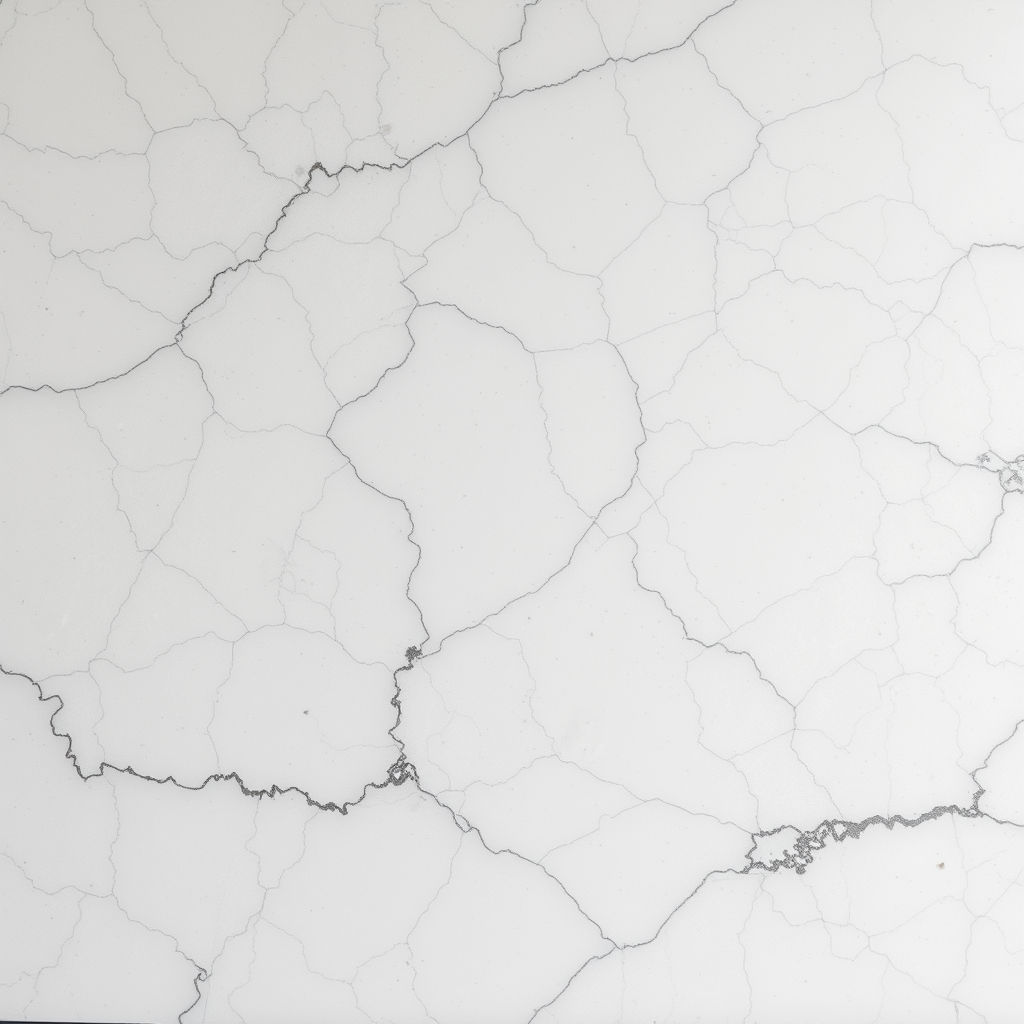
Small cracks may also be repairable, depending on their cause. A crack caused by a sharp impact is very different from one created by movement in the cabinets, a poorly supported overhang or stress around a cooktop cut-out. A specialist should identify and address the cause first. Filling a crack without resolving ongoing movement only gives the damage an opportunity to return.
On-site repair is also worth considering for visible seams. Over time, seam joins can discolour, become uneven or open slightly. Old silicone lines around sinks and splashbacks can collect mould or pull away from the stone. Rejoining a seam, replacing silicone or epoxy lines, and refreshing the surrounding finish can make a substantial difference without the disruption of replacement.
For natural stone, polishing and rejuvenation can be particularly valuable. Marble and granite may develop etching, dull patches, staining or surface wear that looks worse than it is. If the stone itself remains structurally sound, restoration may bring back clarity and sheen while retaining the character that made you choose the slab in the first place.
The practical advantages of repair
The biggest advantage is that the kitchen or bathroom generally stays intact. There is no need to remove cabinetry, alter a splashback or wait for a new slab to be selected and fabricated. A professional repair is often completed in one visit, although more complex work can require additional time.
Repair can also be more economical. Replacing stone is not just the price of a new slab. It can include removal, disposal, fabrication, transport, plumbing, electrical disconnection, appliance handling and remedial work to cabinets or wall finishes. Those costs can grow quickly when a benchtop has been installed tightly against tiles or joinery.
There is an environmental consideration too. Restoring a benchtop that still has years of useful life keeps a large, heavy material out of the waste stream. That does not mean repairing every defect at all costs, but it is a sensible outcome when the damage is contained and the finish can be restored properly.
When stone replacement makes more sense
Replacement should be considered when damage affects the stability or safety of the benchtop. A large crack running through a weak section, widespread heat damage, severe water damage around an undermount sink or a broken piece that cannot be securely rebuilt may mean the stone has passed the point of reliable restoration.
Repeated cracking is another warning sign. If repairs have been made before and the same area keeps failing, the problem may sit beneath the surface. Inadequate support, cabinet movement, an oversized cut-out or pressure from an appliance can continue to stress the slab. The solution may involve changing the support structure or replacing the affected section rather than carrying out another cosmetic repair.
Replacement may also be appropriate if you are renovating the whole room. If cabinetry, splashbacks, tapware and appliances are all changing, a new benchtop can be incorporated into the project with fewer compromises. In that setting, repairing an old surface simply to remove it a month later rarely makes financial sense.
Colour matching is one of the less obvious reasons replacement can become complicated. Stone batches vary, and product ranges are often updated or discontinued. Replacing one damaged section may leave you with a noticeable difference in pattern, background tone or gloss level. In some kitchens, replacing the entire run is the only way to achieve a consistent result.
Appearance: what can you realistically expect?
Homeowners often ask whether a repair will be invisible. The honest answer is that results depend on the material, damage and viewing conditions. A well-executed repair can be extremely difficult to find in normal use, especially on a patterned or textured surface. Solid colours, highly polished dark stones and damage directly in bright task lighting can be more demanding.
A good technician does not simply fill a chip with a generic resin. The work involves building colour depth, recreating the edge shape, matching the level and refining the final sheen. Natural stone can require careful interpretation of veining and movement. Engineered stone needs a repair that respects its particular aggregate, colour and surface texture.
Ask for an assessment based on your actual benchtop rather than a promise based on a photo alone. Clear photos are useful for an initial quote, but close inspection helps determine whether the damage is cosmetic, structural or connected to a wider installation issue.
Safety and access matter with engineered stone
Work on legacy engineered stone requires specialist care. Australia has strict rules around engineered stone and silica exposure, and any repair or alteration must be approached with appropriate controls. Dry cutting or uncontrolled grinding is never acceptable.
This is especially relevant if you need a sink, tap, cooktop or appliance cut-out altered. Wet-cut methods, suitable dust control and experienced handling help protect occupants, trades and the surrounding home. It is not a job to hand to a general handyman with a grinder in the driveway.
ChipFix Stone Benchtop Repairs brings specialist experience to repairs and precision alterations across New South Wales, including engineered stone and natural stone surfaces. The objective is always the same: assess the problem properly, use the right restoration method and avoid unnecessary replacement where a quality repair is achievable.
How to decide before booking work
Start by looking at the size and location of the damage. A small chip on an edge and a long crack through a sink cut-out may both be called “damage”, but they require very different solutions. Note whether the issue is getting worse, whether the stone moves when pressed, and whether there is water ingress, cabinet swelling or a gap opening around the sink.
Take several clear photos in natural light, including one wider image showing the whole benchtop and close-ups of the affected area. Include a ruler or coin for scale where practical. Mention the stone brand if known, the age of the installation and any recent impact, plumbing leak or appliance change. These details help a specialist identify the likely cause before attending.
Do not attempt to sand, polish or fill the defect with a hardware-store product first. DIY fillers often discolour, sit proud of the surface or contaminate the area, making a professional colour match more difficult. Avoid placing heavy weight on a crack, and keep water away from damaged sink areas until they have been assessed.
The best decision is not always the cheapest quote on the day. It is the option that restores the appearance you care about while dealing honestly with the condition of the stone beneath it. A careful assessment can save a sound benchtop from needless replacement, or prevent a temporary repair from becoming a recurring problem.


Comments