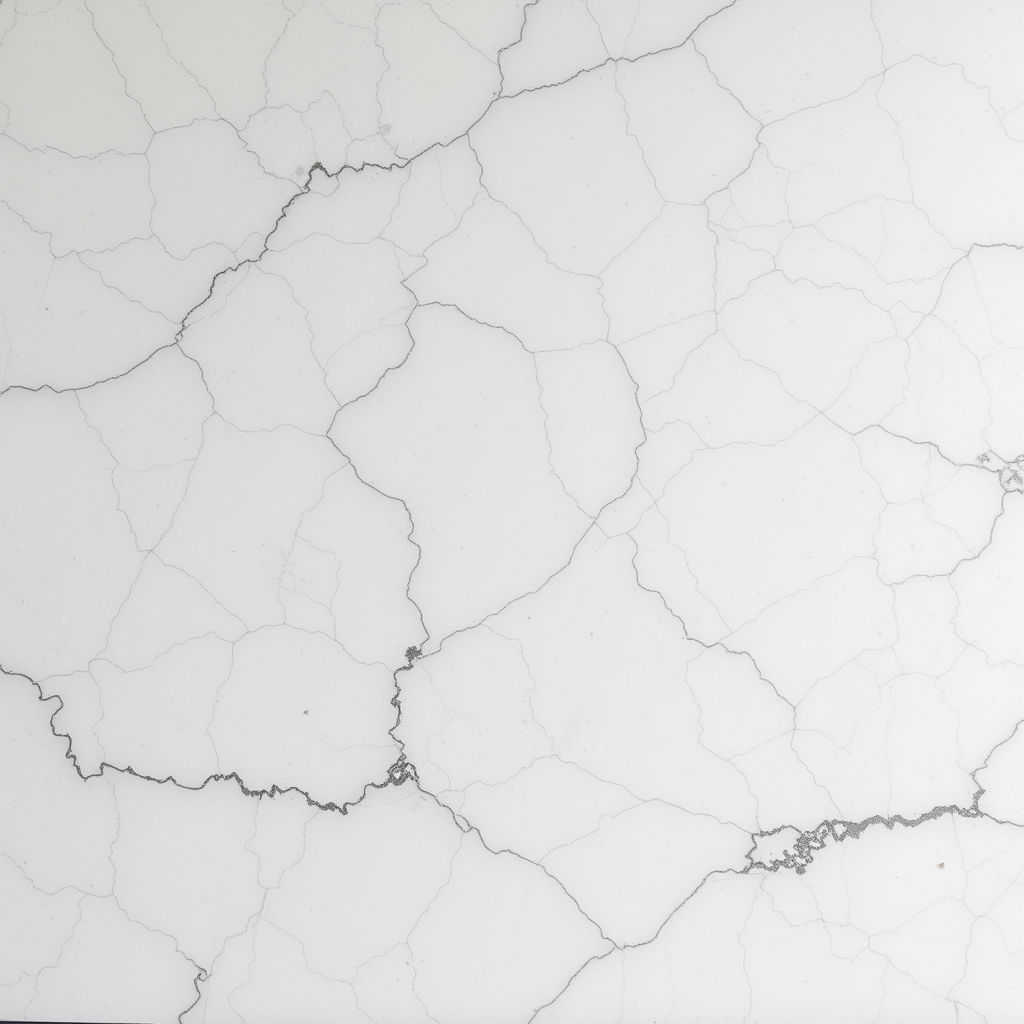


Can Marble Etching Be Repaired? What to Expect

A pale ring beneath the olive oil bottle, a cloudy patch beside the kitchen sink, or dull splash marks around a bathroom vanity can make an otherwise beautiful marble benchtop look worn. The good news is that can marble etching be repaired has a straightforward answer: usually, yes. The right repair depends on how deeply the surface has reacted and whether the marble has also been scratched, stained or chipped.
Etching is not dirt sitting on top of the stone. It is a change to the marble itself, which is why ordinary cleaners rarely improve it and can sometimes make it more obvious. Professional honing and polishing can restore the affected area and blend it back towards the original finish without replacing the benchtop.
What marble etching actually is
Marble is primarily made from calcium carbonate. This gives it its distinctive depth and natural character, but it also means it reacts with acidic substances. Lemon juice, vinegar, wine, soft drinks, tomato-based foods, some bathroom products and even harsh cleaners can alter the polished surface.
The result is an etch mark: an area where the surface has become microscopically rougher than the surrounding marble. On polished marble, it commonly appears as a dull spot, ring, drip mark or cloudy patch. On honed marble, which has a softer matte finish, it may look slightly lighter or feel different under your fingertips.
This is why etching is often confused with staining. A stain changes the colour of the stone because a substance has been absorbed into it. An etch changes the finish. A dark red wine mark may be a stain, while the pale dull ring left around it may be etching. Both can occur at the same time, but they need different treatment.
Can marble etching be repaired without replacement?
In most cases, yes. Light to moderate marble etching can generally be repaired by carefully honing the affected surface, then refining and polishing it to match the existing sheen. The goal is not simply to make the mark less visible. It is to restore an even surface that reflects light consistently with the rest of the benchtop.
Very light etching may respond to a specialist marble polishing process. More pronounced marks usually require controlled honing first, using progressively finer abrasives to remove the damaged layer. The stone is then polished or finished to suit the surrounding surface.
A successful repair is all about matching. Marble may have a high polish, a satin sheen or a honed finish, and each finish responds differently. A repair that is technically clean but too glossy, too flat or too light in one section can still stand out in daylight. This is where experienced stone restoration makes the difference.
Replacement is rarely the first answer for etching alone. It may only be worth considering where the marble is extensively damaged, structurally cracked, severely worn across a large area, or where previous DIY attempts have left inconsistent patches over the entire surface.
Why DIY marble etch removers can be risky
DIY marble polishing powders and etch-removal products are widely available, but marble is not a one-product-fits-all material. The mineral makeup, colour, finish and degree of damage all affect the result. Dark marbles, heavily veined slabs and honed finishes can be particularly unforgiving.
An unsuitable powder, abrasive pad or polishing method may create a brighter halo around the original mark, leave swirl marks, alter the gloss level or expose a patch that looks different from the rest of the slab. Acidic household cleaners are an even bigger problem. They may remove grime but will continue the chemical reaction that caused the etching in the first place.
For a small, hidden area, a carefully chosen marble-specific product may be reasonable. For a visible kitchen island, vanity top or splashback, testing products yourself can turn one dull spot into a larger cosmetic repair. It is often more cost-effective to have the surface assessed before attempting a fix.
How professional marble etching repair works
A proper assessment starts with identifying the issue. A stone repair technician will check whether the mark is etching, staining, scratching, residue from a cleaning product, or a combination of these. They will also assess the marble finish and how much of the surrounding area needs to be blended.
The repair process usually involves localised honing to level the etched surface. Fine abrasive stages refine the area without unnecessarily removing stone from the rest of the benchtop. The technician then polishes or hones the surface to match the existing finish as closely as possible.
Where etching sits beside chips, cracks or failed joins, those issues can be repaired as part of a broader restoration. Addressing the full condition of the benchtop produces a more consistent result than treating each mark in isolation.
On-site work is particularly useful for installed marble benchtops. There is no need to remove the slab, disturb cabinetry or manage the risks and cost of a replacement. At ChipFix Stone Benchtop Repairs, the focus is on restoring the surface to a near-original appearance while preserving as much of the existing stone as possible.
When an etched area needs more than polishing
Not every dull patch can be corrected with a quick polish. If the etching has been left for years, repeatedly exposed to acid, or scrubbed with abrasive cleaning products, the affected area may need deeper honing. This is still repairable in many cases, but it requires a measured approach.
Large-scale etching across a whole island bench is another situation where local spot treatment may not be enough. Polishing only isolated marks can leave variations in sheen, especially when sunlight hits the stone from an angle. A wider restoration of the benchtop section may give a more even finish.
Some marbles also contain natural fissures, open veins or mineral variation that become more noticeable once the surface is refinished. These are features of natural stone, not necessarily repair faults. A skilled technician will explain what can be restored and what natural characteristics will remain visible.
Keeping marble looking its best after repair
Once marble etching has been repaired, daily care helps protect the restored finish. Wipe up acidic spills promptly with a soft cloth and clean water, then dry the area rather than allowing moisture to sit. Use a pH-neutral cleaner made for natural stone rather than vinegar, citrus-based sprays, bathroom descalers or general-purpose cream cleansers.
Coasters, trays and chopping boards are practical protection in high-use areas. In kitchens, keep lemons, wine bottles and cooking oils off the bare stone where possible. Around bathroom vanities, take care with skincare, perfume and cleaning products, as many contain acids that can affect marble.
A quality sealer can help reduce the risk of staining, but it does not make marble etch-proof. Sealer works below the surface to slow absorption. Etching happens at the surface when acid reacts with the stone, so sensible cleaning habits remain the best defence.
Choosing the right repair option for your marble
The best result starts with an accurate diagnosis, not the strongest cleaner in the cupboard. If the mark looks dull rather than dark, feels slightly rough, or appears after contact with food, drinks or bathroom products, it is likely etching. Take clear photos in natural light, including a wider image of the benchtop and a close-up of the affected area, before seeking advice.
Marble is meant to be used, and occasional marks do not mean a premium benchtop is ruined. With the right restoration method and sensible ongoing care, an etched surface can regain the smooth, refined finish that made you choose marble in the first place.


Comments