

Engineered Stone Maintenance Guide for Benchtops

A quality engineered stone benchtop is made for daily kitchen life, but it is not indestructible. This engineered stone maintenance guide covers the practical habits that protect its colour, finish and edges, while helping you recognise when a small issue needs specialist attention rather than a quick DIY fix.
Engineered stone, including popular quartz-based surfaces such as Caesarstone and Smartstone, is durable because crushed stone is bound with resin and pigments. That composition gives it a consistent appearance and strong stain resistance. It also means excessive heat, harsh chemicals, impact on an edge or a failing seam can cause damage that ordinary cleaning will not solve.
Everyday care that keeps engineered stone looking new
For routine cleaning, use a soft microfibre cloth with warm water and a small amount of mild, pH-neutral dishwashing liquid. Wipe the surface, then dry it with a clean cloth. Drying matters more than many homeowners realise, particularly in areas with hard water, as it prevents mineral marks and a dull film building up around the sink and tapware.
Most fresh spills can be cleaned this way. Cooking oils, sauce, tea, coffee and cosmetic products should be wiped up promptly rather than left to sit. While engineered stone is less porous than many natural stones, residues can still leave a surface mark, especially on pale colours or matte finishes.
Avoid treating your benchtop like a chopping board. Knives can scratch the resin-rich surface and leave fine lines that catch the light. Use a board for food preparation, and avoid sliding ceramic plates, cast-iron cookware or rough-based appliances across the stone.
What not to use on your benchtop
The wrong cleaning product can do more harm than everyday use. Keep abrasive powders, scourers and harsh cream cleaners away from engineered stone. They can wear down the polish or alter the appearance of a honed or matte finish, often leaving a patch that looks different from the surrounding surface.
Also avoid oven cleaner, drain cleaner, paint stripper, strong bleach, highly alkaline products and cleaners containing hydrofluoric acid. If a chemical spill occurs, remove it promptly, rinse thoroughly with water and dry the area. Do not scrub aggressively in an attempt to remove a mark, as this can enlarge the affected patch.
For sticky residue such as dried food, label adhesive or silicone smears, soften it first with warm water and mild detergent. A plastic scraper can then be used carefully at a low angle. Metal blades are best left out of the equation unless you are certain they will not contact the stone.
Heat is the most avoidable source of damage
Engineered stone is heat resistant, not heatproof. Pots, frying pans and baking trays taken straight from the cooktop or oven can create thermal shock. Depending on the colour, finish and temperature change, this may cause discolouration, a cloudy patch, cracking or damage around a cut-out.
Always place hot cookware on a trivet or heat mat. This is particularly important near joins, corners, sink cut-outs and cooktop cut-outs, where the stone has less structural support. Steam appliances and slow cookers also deserve some thought. Their continuous heat and moisture can affect the same small area over time, so place them on a protective board or mat rather than directly on the benchtop.
A warm takeaway container is unlikely to be a problem. A scorching cast-iron pan is a different matter. When in doubt, use a trivet.
Protect edges, joins and cut-outs
The front edge of a benchtop is the area most likely to chip. A dropped glass, heavy pot, wine bottle or appliance can take a small piece from the edge, particularly near a corner. Even a minor chip can become more noticeable as dirt collects in the damaged area.
Take extra care when moving heavy kitchen items and avoid knocking stools or appliances into waterfall ends. Never stand or sit on the benchtop. Stone is strong under evenly distributed weight, but point loading can crack a weak area, especially around sinks and cooktops.
Joins and seams also need a quick visual check from time to time. A thin seam line is normal, but a join that opens, feels uneven or repeatedly collects grime may indicate failed adhesive or movement in the cabinetry beneath. Likewise, cracked or mouldy silicone around a sink is more than a cosmetic annoyance. Water can work its way into the cabinet, swell the substrate and place pressure on the stone.
Replacing silicone or rejoining a seam early is generally simpler than waiting for water damage or a larger separation to develop.
The engineered stone maintenance guide for marks and stains
Not every mark is a stain. This distinction helps prevent unnecessary damage from over-cleaning. A surface film from cleaning products, oils or hard water may look cloudy but often lifts with proper washing and drying. A scratch may appear white or dull because it has changed the surface texture. Heat damage can look like a pale patch, while chemical damage can alter the gloss or colour permanently.
Before trying multiple products, clean the area with mild detergent and dry it completely. Look at it from different angles and in natural light. If the mark remains, avoid escalating to abrasive pads or strong chemicals. Those methods can turn a localised issue into a much more visible finish mismatch.
Dark-coloured engineered stone can show fingerprints, smears and mineral deposits more readily. Lighter colours can make tea, turmeric, makeup and coloured liquids more obvious. This does not mean one is less practical than the other, but it does mean your cleaning routine should suit the finish and colour you have chosen.
When a professional repair is the better option
Some damage requires more than careful cleaning. Chips, cracks, broken edges, heat marks, surface scratches, failed joins and damage around sink or cooktop cut-outs should be assessed before you attempt a repair kit. Off-the-shelf fillers can be useful for a hidden, low-priority blemish, but they rarely match the stone’s colour, translucency, texture and sheen closely enough for a prominent kitchen benchtop.
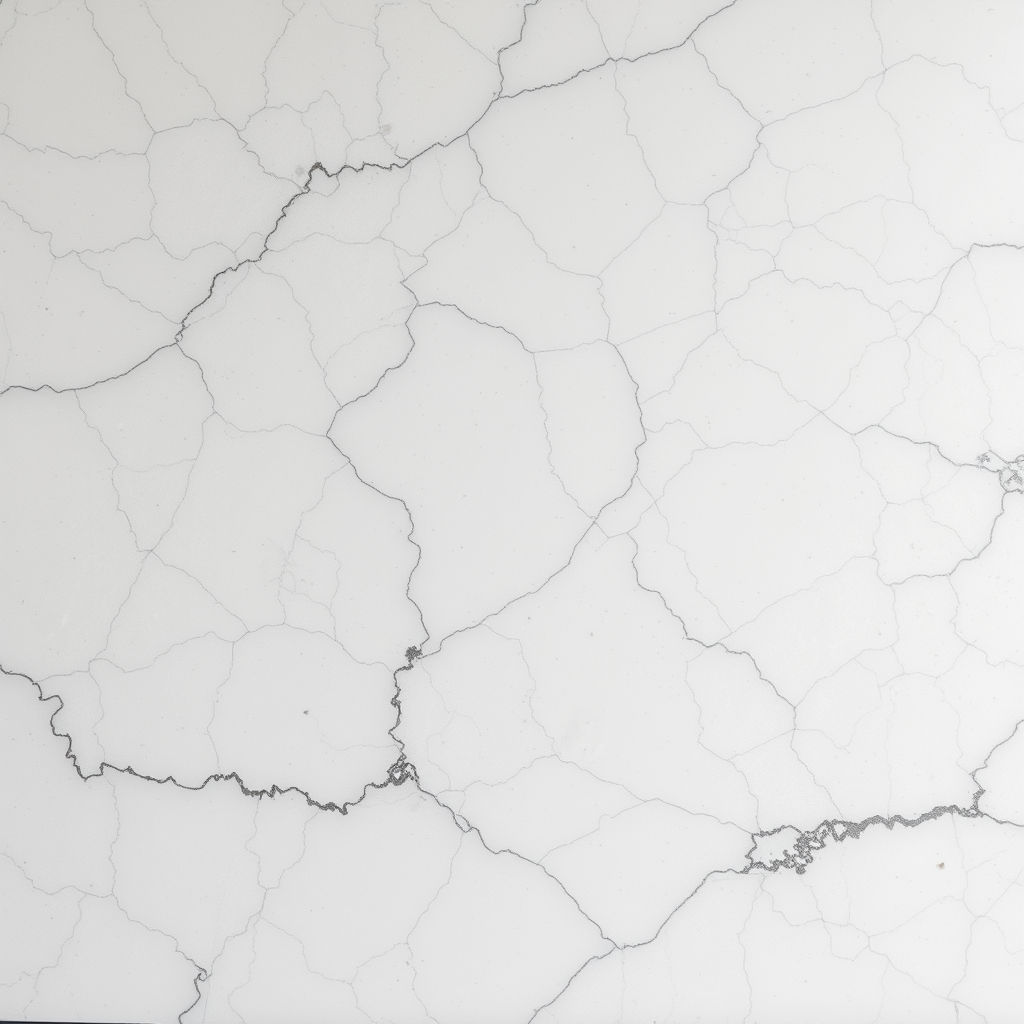
Cracks deserve particular attention. A hairline crack may result from impact, heat, inadequate support or movement in the cabinetry. Filling the visible line without addressing the cause can lead to the crack returning. A specialist repair should consider the stone itself as well as the condition of the cabinets, joinery and cut-out area.
Professional restoration is often a practical alternative to replacement, especially where the affected area is localised. The aim is not simply to fill a hole or cover a line. It is to rebuild the damaged section, blend the colour and finish, and restore the benchtop’s day-to-day function with the repair as unobtrusive as possible.
ChipFix Stone Benchtop Repairs regularly sees damage that began as a small chip, a loose seam or worn sink silicone. Addressing it early usually gives the best chance of a near-original result and avoids the disruption of replacing an otherwise sound benchtop.
Do not cut, grind or modify engineered stone yourself
Cutting, grinding or drilling engineered stone can release hazardous respirable silica dust. This is not a job for an angle grinder in the garage or a quick alteration with general tools. Any changes for a new sink, tap, cooktop or appliance need appropriate wet-cutting methods, dust controls and experienced stone handling.
The same applies to attempting to remove a cracked section. Apart from the health risk, engineered stone can fracture unexpectedly if it is not properly supported. Arrange a professional assessment for modifications or structural damage.
A simple maintenance routine worth keeping
Daily care is straightforward: wipe spills, use a soft cloth and mild cleaner, dry the surface and put hot cookware on a trivet. Every few months, inspect the edges, seams, sink silicone and areas around cut-outs for chips, gaps or movement. This small check can save you from discovering a larger issue after water has entered the cabinetry or a crack has spread.
A well-maintained engineered stone benchtop should continue to look polished and perform reliably for years. If something changes in its appearance or feels loose, rough or uneven, act while the problem is still small. The best maintenance is often knowing when not to experiment and when to have an expert restore the surface properly.


Comments