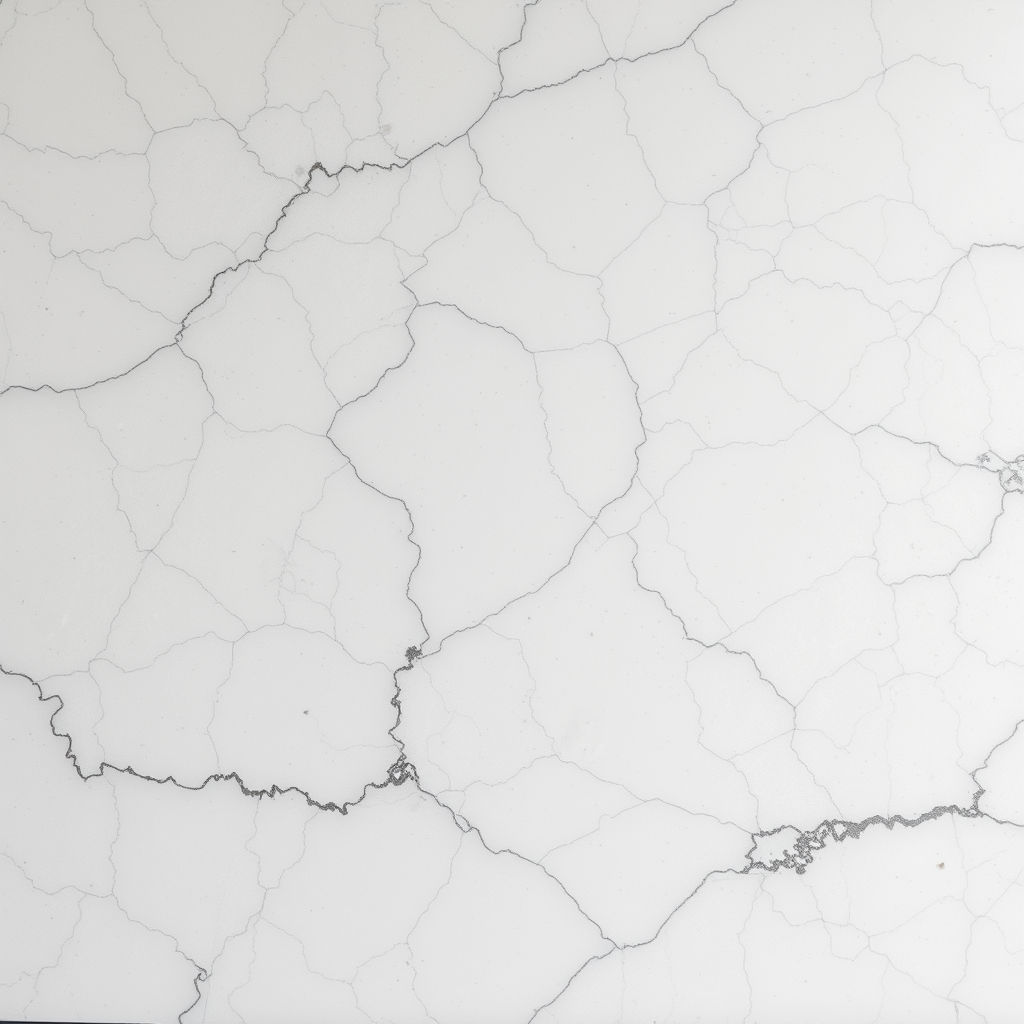


Quartz Scratches: Can Your Benchtop Be Repaired?

A dark line beside the cooktop, a dull patch near the sink or a rough mark you can feel with your fingernail can make an otherwise beautiful kitchen look worn. Quartz scratches are frustrating because engineered stone is chosen for its hard-wearing finish, yet no benchtop is completely immune to damage, abrasion or surface marking.
The good news is that many marks are not as serious as they first appear. Some sit on the surface and can be removed safely; others have cut into the resin-rich finish or exposed the stone beneath. Knowing the difference matters. The wrong cleaning product or DIY repair can turn a small cosmetic issue into a larger, more noticeable repair.
What causes quartz scratches?
Most homeowners use the term quartz to describe engineered stone benchtops, including products such as Caesarstone and Smartstone. These surfaces contain natural quartz aggregate held together with resins and pigments. They are exceptionally durable for everyday kitchen use, but their finish can still be damaged by hard, sharp or abrasive contact.
Dragging the unglazed base of a ceramic bowl, a cast-iron pan or a heavy appliance across the bench is a common cause. Grit trapped beneath a chopping board, plant pot or microwave can also score the surface when it moves. The damage may be a fine hairline scratch, a broader dull rub mark, or a small chip at an edge that has been mistaken for a scratch.
Not every apparent scratch is actually a scratch. Metal transfer from cookware can leave grey or black marks on lighter benchtops. Residue from a scouring pad, an abrasive cleaner or a harsh chemical can create a cloudy-looking patch. These issues often respond to careful professional cleaning, while a true scratch needs a different approach.
The finish makes a difference
Polished quartz generally shows fine surface marks differently from honed, concrete-look or textured finishes. A polished surface may reflect light unevenly around a scratch, making a shallow mark seem deeper than it is. On a matt or honed benchtop, aggressive polishing can leave a shiny patch that is more obvious than the original damage.
Colour and pattern also affect repair work. A plain white surface requires a close colour match, while a heavily veined or speckled design requires the repair to blend with the movement of the slab. This is why an invisible-looking result depends on more than simply filling a line.
Can quartz scratches be repaired?
In many cases, yes. Whether a repair is appropriate depends on the depth, position and finish of the damage. Light transfer marks and superficial surface contamination may be removed without filling. Fine scratches may be refined and blended using specialist methods suited to the particular surface. Deeper scratches, small chips and gouges may need a colour-matched repair compound before the area is carefully levelled and finished.
A good repair is not about making one small spot look freshly polished. It is about restoring the visual consistency of the surrounding benchtop. The repaired area must sit flush, match the sheen and blend with the colour and pattern around it. This takes experience, particularly on premium engineered stone where an overworked patch can catch the eye from across the room.
Some damage has limits. A very deep gouge, damage across a large area, or a scratch that runs through a delicate edge detail may remain faintly visible at certain angles. A reputable specialist should explain what can realistically be achieved before beginning. Near-invisible is an excellent outcome, but it should never be promised without assessing the actual surface.
Scratches near seams, sinks and cooktops
A mark close to a seam deserves extra attention. What looks like a scratch may be movement at the join, a failed seam line or a crack beginning from a cut-out. Similarly, damage around an undermount sink or cooktop can be linked to stress, heat exposure or inadequate support rather than simple surface wear.
In these areas, a cosmetic repair alone may not be enough. The underlying cause should be checked so the problem does not return. A specialist can assess whether the benchtop needs seam rejoining, crack stabilisation or a repair that restores both appearance and strength.
What not to do when you notice a scratch
It is tempting to reach for a cream cleanser, scourer or hardware-store scratch kit. On engineered stone, that approach can be risky. Abrasive pads can alter the sheen and leave a visibly different patch. Sandpaper and polishing compounds can flatten the resin surface, remove pattern detail or create a halo around the damaged spot.
Avoid using blade scrapers unless the benchtop manufacturer specifically permits them and you are dealing with residue rather than a scratch. Do not use harsh oven cleaners, paint strippers or strong solvents in an attempt to lift a mark. These products may discolour or damage the resin binder, especially if left sitting on the surface.
For a fresh mark, start gently. Wipe away grit with a soft damp microfibre cloth, then clean with warm water and a pH-neutral cleaner suitable for engineered stone. Dry the area and inspect it in natural light. If the mark remains, feels rough, catches a fingernail or appears white against a darker benchtop, stop before experimenting further.
How a specialist repair restores the surface
A proper on-site assessment begins with identifying the material, finish and type of damage. The technician will look at the scratch from different angles and under different light, check whether it is surface transfer or a true loss of material, and examine nearby seams, edges and cut-outs.
Where filling is required, the repair material is custom-tinted to suit the benchtop. On patterned surfaces, the process may involve recreating small flecks or veining so the repair does not appear as a flat block of colour. The area is then shaped precisely and refined to match the surrounding finish.
The final stage is where technical judgement matters most. A polished finish needs to reflect light consistently; a honed finish needs to remain even without becoming glossy. The aim is to restore the bench so the damage no longer draws attention, without disturbing more of the surface than necessary.
At ChipFix Stone Benchtop Repairs, this work is performed on site, so homeowners can avoid the disruption, cost and risk involved in removing an otherwise sound benchtop. It is often a practical alternative to replacement when the damage is localised.
When to arrange an assessment
Arrange professional advice if the scratch is visible from normal standing height, has broken through the surface, or sits near a sink, cooktop, edge or seam. It is also worth seeking an assessment if you notice a crack, lifting join, rough chip or discolouration around the same area. These issues can be related, and addressing them early usually gives the best visual result.
Clear photos help a specialist provide initial guidance. Take one photo from a short distance to show the location on the bench, then a close-up in daylight. Include a coin or ruler for scale if the mark is small. Avoid applying filler, wax or polish first, as these can hide the true condition of the damage.
Preventing future marks on quartz benchtops
Quartz surfaces do not need complicated maintenance, but a few habits protect the finish. Use a chopping board for food preparation, lift heavy cookware rather than dragging it, and place soft pads under appliances and decorative items that are moved regularly. Wipe crumbs and grit away before sliding anything across the bench.
Use trivets for hot pots and pans, even if the surface is marketed as heat resistant. Heat resistance is not the same as heat proof, and sudden temperature changes can affect the resin component of engineered stone. For everyday cleaning, a soft cloth, warm water and a suitable non-abrasive cleaner are usually enough.
A premium benchtop should not have to be replaced because of one visible mark. With the right diagnosis and a careful repair approach, many quartz scratches can be blended back into the surface and your kitchen can look like itself again.


Comments