

Marble Benchtop Chip Repair Done Right

A small chip in marble always looks worse in the middle of a clean kitchen or bathroom. Light catches it, the edge feels rough every time you wipe past it, and suddenly the whole surface looks tired. The good news is that marble benchtop chip repair is often very achievable without replacing the slab - but the quality of the result depends heavily on where the chip is, how the marble is finished, and who carries out the repair.
Marble is a premium natural stone, and it behaves differently from engineered products. It has variation in colour, veining and translucency, which is exactly why people choose it. It is also softer and more reactive than many other benchtop materials. That means chip repair is not just about filling a hole. A proper repair needs to rebuild the damaged area, match the surrounding stone as closely as possible, and blend the finish so the repair does not stand out every time you walk into the room.
What marble benchtop chip repair actually involves
When people picture a chip repair, they often imagine a quick dab of filler and a polish. On marble, it is usually more precise than that. The damaged section needs to be assessed first to work out whether it is a clean chip, an impact fracture, or part of a wider weakness around an edge, sink cut-out or seam.
Once the damage is understood, the repair process typically involves cleaning out the area, stabilising any loose material, colour-matching a resin or adhesive system, rebuilding the chipped section, then shaping and refining it to match the original profile. After that, the repaired spot is honed or polished to suit the surrounding finish.
On a square edge, that profile work is relatively straightforward in skilled hands. On a pencil round, mitred waterfall edge, or decorative profile, it becomes much more specialised. The aim is not simply to make the chip smaller. It is to make the repair visually quiet and structurally sound.
Why marble is different from engineered stone
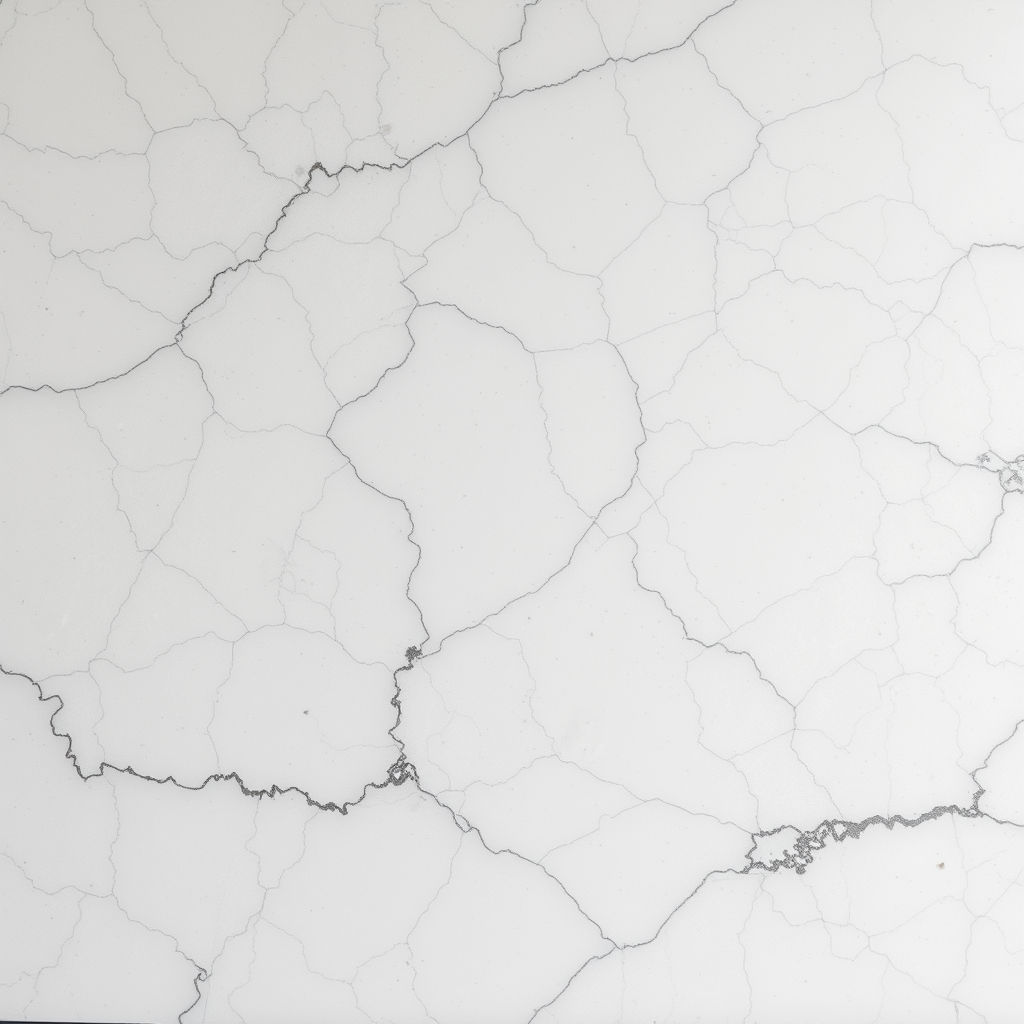
Marble has natural movement in pattern and tone, and no two sections are exactly the same. That makes invisible repair more complex than many homeowners expect. With engineered stone, the background pattern is manufactured and often more consistent. With marble, you may be dealing with soft white base tones, grey veining, warmer mineral notes, or fine crystalline texture that changes across the slab.
That is why a marble repair can never be approached like a generic stone repair. The resin choice, pigment balance, surface finishing and blending all matter. Even the viewing angle and nearby lighting can affect how noticeable a repaired chip appears.
It also means there are some honest trade-offs. A small chip on the top arris of a honed marble edge can often be improved dramatically. A larger impact on a prominent polished corner with strong veining running through it may still be repairable, but the expectation should be near-invisible rather than magically undetectable at every angle and under every light.
Where chip repairs tend to happen
Most marble benchtop chips occur in predictable areas. Front edges are common because they take repeated knocks from crockery, cookware and day-to-day use. Corners are vulnerable because they catch impact directly. Around undermount sinks and tap holes, marble can chip from dropped items or stress around cut-outs.
Bathroom vanities see chips too, particularly from bottles, grooming tools and hard items being set down carelessly. In some homes, the issue is not one dramatic impact but gradual wear that starts to expose tiny edge imperfections until one section breaks away.
The location matters because it affects both strength and visibility. A chip on the top edge may be easier to blend than a broken corner. Damage near a seam may suggest movement or weakness that should be addressed at the same time, rather than treated as an isolated cosmetic issue.
Can you repair a marble benchtop chip yourself?
Technically, yes. Practically, it depends on how much the finish matters to you.
DIY repair kits exist, and for a very minor chip in a low-visibility area they may offer a temporary improvement. But marble is unforgiving when the colour is off, the fill line is too glossy, or the repaired section is left too flat or too proud. Homeowners often use too much product, choose a filler that cures with the wrong tone, or sand the area in a way that leaves a dull patch larger than the original chip.
That is usually where a cheap fix becomes a more difficult specialist repair. Once incorrect fillers, glue bloom, or aggressive sanding marks are introduced, the job is no longer just about the chip. It becomes a corrective repair.
If your marble benchtop is in a main kitchen, on an island, or in a bathroom where the damage is at eye level, professional repair is usually the better path. It protects the value of the surface and gives you a far better chance of a clean visual result.
When a specialist repair is the smart option
Visible chips on premium marble
If the chip catches your eye every time you enter the room, it is worth repairing properly. Premium stone deserves a repair approach that respects the material, rather than treating it like a patch job.
Damage on edges, corners or near cut-outs
These areas need more than filling. They need shape, strength and finish control. Corners especially need careful rebuilding so they do not remain vulnerable.
Failed previous repairs
A bad repair is often more noticeable than the original chip. If the colour is wrong, the resin has yellowed, or the area has been over-polished, specialist correction can make a significant difference.
Chips linked to other issues
Sometimes the chip is the visible symptom of a bigger problem, such as seam movement, poor support, impact stress or wear around a sink opening. In those cases, repairing the surface without addressing the cause can lead to repeat damage.
What affects the final result
No reputable specialist should promise the exact same outcome for every marble chip, because marble itself is too varied for that. Several factors influence how well a repair blends in.
The size of the chip matters, of course, but so does depth. A shallow edge nick is different from a chunk missing through the profile. The colour and pattern of the marble matter as well. Uniform marbles can be challenging because any variation stands out, while heavily veined material can be difficult because the repair sits within a moving pattern.
Finish is another major factor. Honed marble often allows for excellent blending because there is less reflective glare drawing attention to the repair. Polished marble can still be repaired beautifully, but high-gloss surfaces reveal more under direct light. Position also matters. A chip on the underside lip of an edge will not be judged the same way as a chip on the front corner of a kitchen island.
This is why good repair work starts with honest assessment, not guesswork.
Marble benchtop chip repair versus replacement
Replacement sounds like the cleanest solution until you price it, organise trades, and consider the disruption. Removing a marble benchtop can involve cabinetry risk, plumbing disconnection, delays in stone supply, and the challenge of matching existing finishes. For a localised chip, that is often unnecessary.
Professional repair is usually faster, more economical and far less disruptive than replacement. It is done on site, which means you avoid the mess and downtime of a full stone changeover. For many homeowners, the real value is not just cost saving. It is being able to restore a premium surface without turning a small defect into a renovation project.
That said, replacement may be worth discussing if the chip is part of widespread cracking, severe structural failure, or extensive edge damage across multiple sections. A trustworthy specialist will tell you when repair is the sensible option and when it is not.
How to get the best repair outcome
If you have a chip in your marble, avoid picking at it or trying to smooth it with household abrasives. Clean the area gently, keep loose fragments if they have broken away cleanly, and take clear photos in natural light and from a couple of angles. That makes diagnosis much easier and helps determine whether the damage is a straightforward chip repair or part of a larger issue.
It also helps to mention the stone finish if you know it - honed, polished or leathered - and where the damage sits. Edge and corner chips are assessed differently from flat surface impacts. If the chip happened after a heavy knock, say so. If you have noticed movement at a seam or gap changes nearby, include that too.
For homeowners across New South Wales who want the damage handled properly, this is exactly the sort of work a specialist service like ChipFix is built for: restoring premium stone surfaces on site with the kind of control, colour-matching and finish work that general repairers often cannot offer.
A chipped marble benchtop does not automatically mean living with damage or replacing the whole top. In many cases, the right repair can take the problem from obvious to barely noticeable - and that is usually all a beautiful stone surface needs to feel right again.


Comments