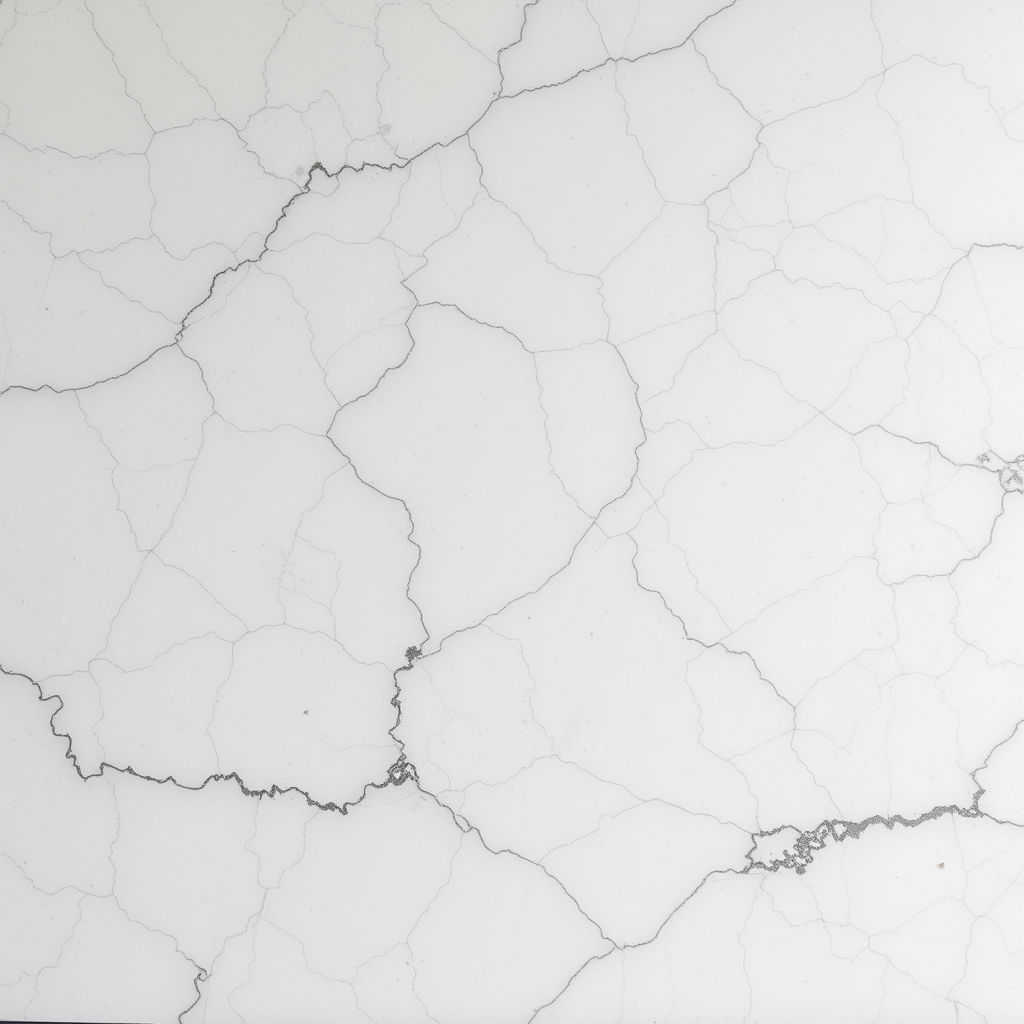


Top Causes Stone Cracks and What They Mean

A crack across a stone benchtop rarely appears without a reason. The top causes stone cracks are often linked to how the slab was installed, supported and used - not simply the age of the surface. Understanding what caused the damage is the first step towards a repair that looks right and holds up.
A fine line beside a sink may point to a stressed cut-out. A separation along a join is more likely to be a seam issue. A crack near an overhang, cooktop or unsupported edge can indicate movement beneath the stone. These details matter because engineered stone, marble, granite and quartz surfaces each respond differently to pressure, heat and movement.
Top causes stone cracks in benchtops
1. Inadequate support beneath the slab
Stone is exceptionally hard, but it is not flexible. It needs consistent, level support underneath, particularly around joins, sink cut-outs, breakfast bar overhangs and appliance openings. When cabinets settle, a substrate is uneven, or a long section of stone is left unsupported, the slab can be forced to flex. That stress may eventually show as a crack.
This is a common issue around dishwashers, where there is naturally less cabinetry underneath the benchtop. Large overhangs can also be vulnerable if brackets or steel supports are missing, undersized or poorly positioned. The crack may begin as a hairline mark, then become more noticeable as the benchtop continues to move under everyday use.
Repairing the visible line is only part of the job. If the underlying support issue remains, even a high-quality repair can be placed under renewed stress. A proper assessment should consider the condition of the cabinets and support structure as well as the stone itself.
2. Movement in cabinetry or the building
Homes move. Timber cabinets can shift with seasonal moisture changes, floors can settle and walls may move slightly over time. In newer homes, minor settlement is particularly common during the first years after construction. Stone does not accommodate this movement as readily as timber, plaster or silicone.
A crack caused by movement is often found near a wall, along a seam or at a narrow section of stone. It may also develop where the benchtop meets a tall pantry or a rigid splashback. In bathrooms, movement around vanities and wall-mounted basins can place similar pressure on stone tops.
There is a trade-off here. Not every small movement-related crack means the benchtop needs replacing. Many can be repaired to a near-original appearance once the source of pressure has been addressed. However, an active or widening crack deserves attention promptly, especially if it sits around a sink, cooktop or unsupported edge.
3. Stress around sink, cooktop and tap cut-outs
Cut-outs are the most vulnerable parts of a stone benchtop because material has been removed from the slab. The narrow stone rails in front of and behind an undermount sink, for example, carry more stress than a broad uninterrupted section of benchtop.
Cracks around cut-outs can occur when the opening was cut too tightly, corners were not correctly relieved, or the stone was weakened during fabrication or installation. A heavy pot dropped into a sink can also send force into the surrounding stone, even if the surface looks undamaged at first.
Tap holes and filter tap holes deserve the same care. If holes are drilled too close together or too close to the edge of the stone, there is less material available to absorb normal pressure from fittings, plumbing work and daily use. Fine cracks can start at these points and travel outward.
Specialist repairs can often stabilise and disguise cracks around cut-outs, but access and the extent of the break make a difference. A clean crack with stable surrounding stone is generally a better repair candidate than a section that has broken away or continues to flex.
4. Heat and rapid temperature changes
Engineered stone is heat resistant, not heatproof. Natural stone has its own limits too. Placing a very hot pan, roasting tray or small appliance directly onto a benchtop can create concentrated heat in one spot. Rapid temperature changes can produce thermal stress, particularly if the slab is already under pressure from poor support or a tight cut-out.
The risk is not always immediate. A surface may withstand one hot pan without visible damage, then develop a crack later after repeated exposure or a separate impact. Heat can also affect the appearance of some engineered stone surfaces, causing discolouration, dull patches or resin damage alongside cracking.
Use trivets for hot cookware and avoid setting portable cookers, air fryers or electric frying pans directly on the stone unless the manufacturer confirms the heat protection required. Around cooktops, correct clearance and installation details are essential. A crack near a cooktop is not automatically heat-related, but it should be assessed carefully before any cosmetic work begins.
5. Impact damage and concentrated weight
A dropped cast-iron pan, a heavy glass bottle or the corner of a small appliance can chip or crack stone in an instant. Edges, corners and narrow sections around sink cut-outs are most exposed because they have less material to disperse the impact.
Impact damage does not always look dramatic. A small chip may leave a weak point that later develops into a visible line, particularly near an edge. Likewise, standing or sitting on a benchtop, placing excessive weight on an overhang or using the surface as a step can cause damage that only becomes apparent after the fact.
Engineered stone is highly durable for normal kitchen use, but durability should not be confused with indestructibility. Marble and some softer natural stones can be more susceptible to chips and surface damage, while granite may resist scratching well but can still crack under a sharp enough impact or structural stress.
6. Poor seam installation or seam failure
A seam is where two pieces of stone meet. When installed correctly, it should be neat, stable and as unobtrusive as the material allows. If the join was not properly prepared, bonded or supported, it can open over time. What looks like a crack may actually be a failed seam.
Seam movement is common near sinks, long L-shaped kitchens and large island benches where slab sections meet. Heat, cabinetry movement and moisture can all contribute. A deteriorated seam may collect grime, become more visible or feel slightly uneven to the touch.
The repair approach differs from repairing a crack through a solid slab. A failed seam may need to be cleaned out, rejoined, colour-matched and levelled before the finish is refined. Treating it as a simple surface line can leave the joint weak and make the problem return.
7. Water exposure and moisture-related movement
Stone itself is not usually damaged by ordinary splashes, but prolonged water exposure can affect the areas around it. Leaks beneath a sink may swell particleboard cabinetry, distort a substrate or loosen supports. Once the structure underneath changes shape, the stone above can be placed under pressure.
Watch for swollen cabinet edges, musty odours, loose silicone, staining inside the cupboard or a crack that has appeared close to the sink. These signs can point to a plumbing or cabinetry issue that needs fixing before the stone repair is completed.
In bathrooms, failed silicone around basins and splashbacks can allow water behind the stone. Replacing deteriorated sealant is a small maintenance task that can help protect the cabinetry and reduce the chance of movement-related damage later.
When a crack needs specialist attention
A hairline crack is worth inspecting early, even if it seems stable. It is especially important to act quickly when the crack runs from a sink or cooktop cut-out, crosses a seam, catches on a fingernail, is widening, or sits on an overhang or edge. These are the areas where appearance and structural performance can both be affected.
Avoid filling a crack with a hardware-store adhesive before it has been assessed. Off-the-shelf products can discolour, sit proud of the surface and make colour matching more difficult. They may also conceal the true extent of the damage without addressing the movement that caused it.
At ChipFix Stone Benchtop Repairs, the focus is on identifying whether the damage is a crack, chip, seam failure or support-related issue before selecting the repair method. With the correct materials, colour matching and finishing process, many damaged stone surfaces can be restored on site without the disruption and expense of replacing an entire benchtop.
A stone crack is easier to manage while it is small, clean and stable. Take note of where it begins, whether it changes over time and what sits beneath that section of benchtop. That information gives a repair specialist the best chance of returning your surface to the clean, near-invisible finish you invested in.


Comments