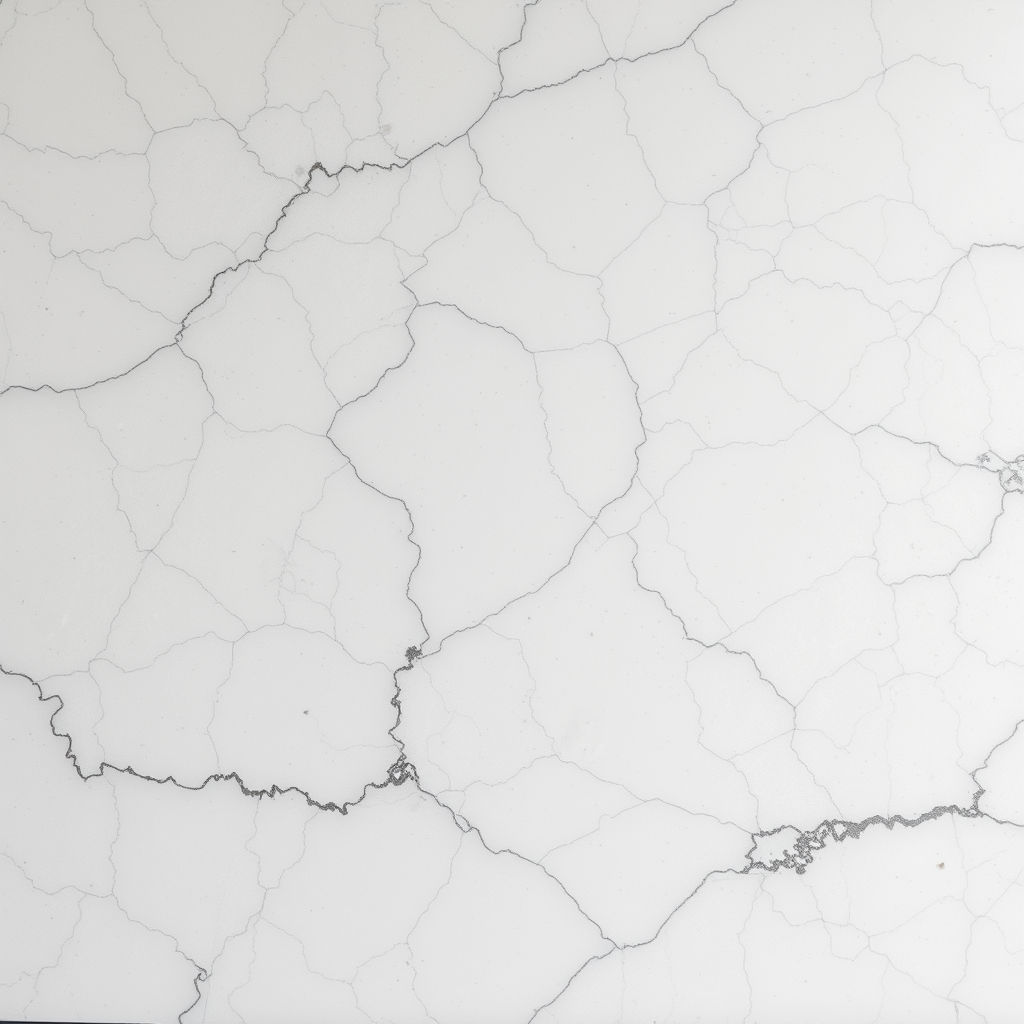


Restoring Damaged Waterfall Benchtops Properly

A waterfall end is designed to look continuous: one clean plane of stone dropping from the benchtop to the floor. That is exactly why restoring damaged waterfall benchtops requires more than simply filling a chip. Damage at the front edge, lower corner or vertical seam catches the eye immediately, and a repair needs to restore the line, colour and strength of the surface - not just cover the problem.
For homeowners with Caesarstone, Smartstone, marble, granite or another premium stone surface, replacement can seem like the only option. In many cases, it is not. A skilled on-site stone repair can return a damaged waterfall panel to a near-original finish without the cost, disruption and risk of removing the whole benchtop.
Why waterfall benchtop damage is so noticeable
Unlike a standard benchtop edge, a waterfall panel has long, uninterrupted lines. A small impact chip can interrupt the profile of the stone. A failed join can create a dark, uneven line from top to bottom. Even a repair that is structurally sound can remain obvious if its colour, texture or polish level does not match the surrounding slab.
The vulnerable areas are usually the outside corners, the lower edge near the floor and the mitred seam where the horizontal benchtop meets the vertical waterfall panel. These points receive knocks from stools, vacuum cleaners, bags, kitchen appliances and everyday traffic. They also carry stress differently from the flat benchtop surface.
A crack near a join may have started with an impact, but it can also point to movement in cabinetry, inadequate support, a poorly bonded mitre or pressure from an appliance opening. Treating only the visible crack without identifying the cause can leave you with the same issue again later.
Restoring damaged waterfall benchtops starts with diagnosis
The first question is not, “Can this be filled?” It is, “What has failed, and why?” A proper assessment considers the stone type, the location of the damage, the condition of the seam and whether the panel is stable.
Engineered stone such as Caesarstone and Smartstone has a consistent manufactured pattern, but colour matching still takes care. A plain white surface may show a repair through changes in warmth or gloss, while veined designs need the repair blended into the movement of the pattern. Natural marble and granite bring different challenges, including natural variation, open grain and softer or more porous areas.
A technician will also check whether the damage is limited to the surface. A small chip with solid material behind it is often an excellent repair candidate. A loose waterfall panel, a widening mitre join or a crack travelling through the slab may require the joint to be re-bonded and supported before cosmetic restoration begins.
Chips and broken corners
Chipped outside corners are among the most common waterfall repairs. They can range from a tiny pinhead impact to a missing section large enough to alter the edge profile. The aim is to rebuild the missing material with a carefully tinted stone repair compound, shape it to the existing line and finish it to suit the original surface.
The difference is in the preparation and finishing. The damaged area must be clean and stable, the fill colour needs to account for the surrounding stone, and the repaired edge must be refined so it does not feel sharp, proud or flat. On polished stone, the sheen has to be brought back gradually. On honed or matt surfaces, an overly glossy repair can be just as noticeable as the original chip.
Cracks in the vertical panel
A crack in a waterfall end should never be dismissed as merely cosmetic. Fine cracks can sometimes be stabilised and blended successfully, particularly when there is no movement in the panel. However, a crack that is opening, runs from a seam, or sits near a cut-out or unsupported section needs closer investigation.
Where appropriate, the repair process may involve cleaning and securing the crack before colour blending and surface finishing. If the panel itself is under stress, the support issue must be addressed as part of the job. A beautifully matched crack repair is of little value if the stone is still flexing.
Failed or discoloured mitre seams
A waterfall benchtop is commonly formed with a mitred join, creating the appearance of a thick, folded slab. Over time, seam adhesive can yellow, crack, sink or separate. The line may become more visible after heat, movement, impact or cleaning products affect the joint.
Seam restoration is precise work. It can involve removing failed material, preparing the edges, rejoining the stone where needed and colour-matching a new line to the slab. The goal is a straight, tight and visually quiet join. It will not always be completely undetectable at close range, especially on heavily patterned natural stone, but a well-executed repair should no longer draw attention from across the kitchen.
What a quality on-site repair involves
A lasting result comes from a controlled process rather than a quick patch. The area is first protected and cleaned, then unstable fragments or failed adhesive are removed. The technician builds, bonds or re-secures the damaged section using materials selected for stone repair, not a generic hardware-store filler.
Colour matching is completed in layers where necessary. This matters because stone is rarely one flat colour. It may have translucent depth, fine flecks, veins or warm and cool undertones that only become apparent once the repair is polished.
The final stage is profiling and finishing. The repaired section is shaped to continue the benchtop’s original edge, then refined to match its polished, honed or textured appearance. Dust control, careful masking and appropriate tools allow this work to be completed on site with minimal disruption to the home.
When repair is the smarter choice than replacement
Repair is often the practical option when the damage is localised and the slab remains stable. It avoids removing plumbing, splashbacks, cabinetry or adjacent stone, and it eliminates the challenge of sourcing a new slab with a close match to an existing kitchen. For discontinued colours or natural stone with distinctive veining, matching a replacement panel can be particularly difficult.
It also makes sense to be realistic. Full panel replacement may be the better path where a waterfall section is severely fractured, the stone has multiple structural breaks, or support and installation faults cannot be corrected safely. A specialist should be clear about this rather than promising an invisible result where one is not achievable.
The best outcome depends on the stone, damage and installation. For many chips, corner breaks, cracks and tired mitre lines, restoration offers an efficient way to protect the investment already in your kitchen.
Avoid making the damage worse
It is tempting to use super glue, epoxy putty or a DIY chip-repair kit before arranging an assessment. These products can stain porous stone, leave a patch with the wrong gloss level and make later professional preparation more difficult. Abrasive pads can also dull a polished finish or alter the shape of an edge.
Until the repair is completed, avoid knocking the affected area and do not lean heavy items against a cracked waterfall panel. If a piece has broken away, keep it if possible. Even when it cannot be reattached, it can help with colour and profile matching.
For a fast, accurate quote, take clear photos from close up and a few steps back. Include the full waterfall end, the damaged area, the seam if relevant, and a note of the stone brand or colour if known. Good information helps determine whether an on-site repair is suitable before a technician arrives.
ChipFix Stone Benchtop Repairs approaches waterfall damage as both a visual and structural issue, using specialist experience to restore premium stone surfaces with care. A damaged edge does not have to become the feature everyone notices when they walk into the kitchen.


Comments