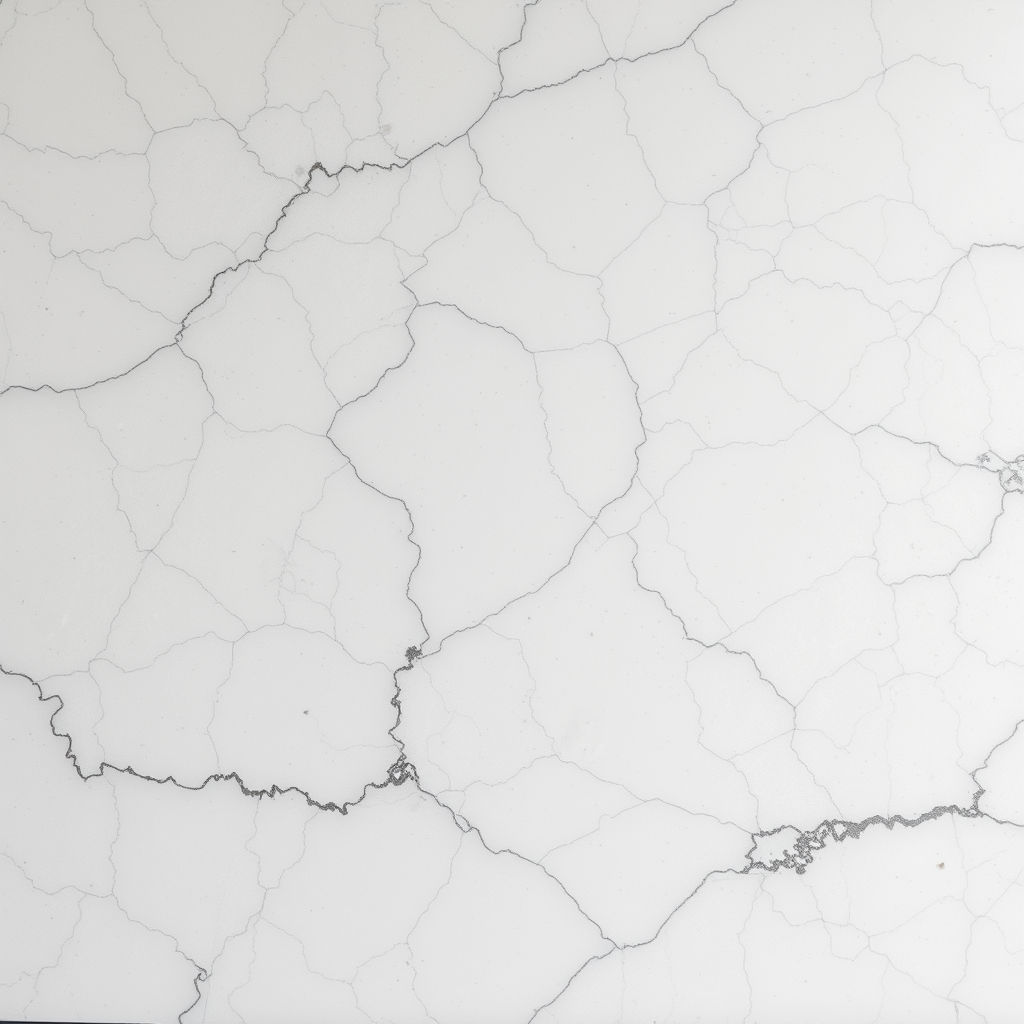


Stone Restoration for Damaged Benchtops

A small chip beside the sink, a darkened join line or a crack running from a cooktop cut-out can make an otherwise beautiful kitchen feel unfinished. Professional stone restoration addresses these issues without the cost, mess and uncertainty of replacing an entire benchtop. Done properly, it restores the surface’s appearance and helps protect the damaged area from becoming a bigger problem.
For homeowners with Caesarstone, Smartstone, quartz, marble or granite, the right repair is rarely a one-size-fits-all job. The material, the location of the damage, the colour and pattern of the stone, and the way the benchtop is supported all affect the best approach.
What stone restoration can repair
Stone restoration is a broad term, but on a kitchen or bathroom benchtop it usually means repairing damage and renewing tired-looking areas while preserving as much of the original surface as possible. It can be a practical alternative to replacement when the slab itself is still structurally sound.
The most common issues are chips around sink edges, cooktops and corners; cracks caused by impact or movement; separated or discoloured seams; stained or dull areas; and aged silicone or epoxy lines. Small damage can be surprisingly noticeable, particularly on pale engineered stone, glossy black granite or patterned marble. It can also catch on a cloth, hold moisture or leave an exposed edge vulnerable to further damage.
A specialist assesses whether the concern is cosmetic, structural or both. A shallow chip may only need colour-matched filling and detailed finishing. A crack near a sink or cooktop cut-out may need stabilising from below as well as surface repair, because those openings are natural pressure points in a benchtop.
Why material knowledge matters
Engineered stone and natural stone may look similar from a distance, but they behave differently when repaired. Engineered products contain crushed stone combined with resin, so colour matching, sheen and resin behaviour are central to achieving a natural finish. Natural stones such as marble and granite vary from slab to slab, with veins, mineral movement and porosity that need a more tailored approach.
This is why a generic filler from a hardware store can leave a repair looking worse. It may be the wrong colour, cure too flat or too glossy, shrink over time, or fail to bond correctly. On a busy benchtop, an unsuitable product can quickly discolour, crack or lift at the edge.
Experienced stone technicians build colour in fine stages rather than relying on a single shade. They also recreate the surface texture and sheen, whether that is polished, honed, leathered or matte. The aim is not simply to fill a gap. It is to make the repaired area sit naturally within the rest of the benchtop when viewed in normal kitchen light.
The repair process is more precise than it looks
High-quality on-site restoration starts with inspection and preparation. The damaged area is cleaned and isolated, loose material is removed where necessary, and the technician checks for movement, moisture exposure and support issues. A chip at the front edge of a breakfast bar, for example, calls for a different repair method to a crack beneath an undermount sink.
For chips and cosmetic marks, the repair material is selected and tinted to suit the benchtop. It is then applied in controlled layers, cured, levelled and carefully refined. The final polishing or finishing stage is where much of the visual result is won or lost. A repair can be colour-matched but still stand out if its reflectivity does not match the surrounding stone.
Cracks and failed seams require more investigation. A crack can result from a heavy impact, but it may also indicate inadequate support, cabinet movement, heat stress or a poorly supported appliance cut-out. Repairing the visible line without addressing the cause can lead to repeat damage. Where appropriate, the repair may include reinforcement, seam rejoining, replacement of old adhesive lines or adjustments to improve support.
Some jobs also involve precise wet-cut alterations. If a new sink, tap, cooktop or appliance needs a modified opening, professional cutting helps ensure clean edges and proper clearances. This work requires planning, dust control and careful measurement, particularly with engineered stone and finished cabinetry already in place.
When restoration is the sensible choice
Replacement is sometimes necessary, especially if a slab is severely fractured, has widespread damage or cannot be safely stabilised. However, many homeowners assume replacement is their only option when the damage is localised. In reality, replacement can involve removing splashbacks, disconnecting plumbing or appliances, matching a new slab to an existing kitchen, and risking damage to cabinetry during removal.
Restoration is often the more practical option when the benchtop is otherwise in good condition. It keeps the existing stone in place, usually limits disruption to the affected area and can preserve a slab that may be difficult or impossible to match years after installation.
The decision depends on the type and extent of damage. A small chip is usually an excellent candidate for repair. A clean break through a narrow stone bridge can often be repaired, but its long-term result depends on the original cause and how the area is used. Extensive staining in porous marble may be improved through professional treatment, though it may not always return to a factory-new appearance. A trustworthy technician should explain these distinctions clearly before work begins.
Common mistakes that make damage worse
The temptation to fix a chip quickly is understandable, but a few common shortcuts can create a more difficult repair later. Superglue can darken stone, leave a glossy patch and make it harder for professional materials to bond. Abrasive scourers and harsh powders may dull engineered stone or scratch polished natural stone. Strong cleaners can also damage sealers, silicone and resin-based surfaces.
Heat is another issue. While stone is durable, placing very hot cookware directly on a benchtop can create thermal stress, especially around cut-outs and joins. Chopping directly on the surface risks chips along edges and can leave fine marks. Heavy objects dropped near a sink corner or cooktop opening can cause cracks where the stone has less support.
For day-to-day care, use a soft cloth, warm water and a pH-neutral cleaner suited to the surface. Wipe spills promptly, particularly on natural stone, and use trivets and chopping boards. These simple habits will not prevent every accident, but they reduce unnecessary wear.
Choosing a stone restoration specialist
The best result comes from a technician who understands both the material and the installation conditions. Ask whether they regularly repair your type of stone, whether they can assess the cause of a crack or seam failure, and what level of finish is realistic for your particular damage. Clear photos taken close-up and from a short distance, along with the benchtop brand if known, help provide a more accurate quote.
It is also worth asking whether the repair will be completed on site and whether the work area will be protected. Benchtop repairs are detailed work. Good preparation, careful colour matching and patient finishing matter more than a rushed fix.
At ChipFix Stone Benchtop Repairs, this specialist approach is informed by deep experience with premium engineered and natural stone surfaces. The focus is on restoring the appearance and function of the existing benchtop, with practical advice where repair may not be the right answer.
A repaired benchtop should still feel like your benchtop
The strongest repairs do not draw attention to themselves. They allow you to look across the kitchen or bathroom and see the surface as a whole again, rather than the chip, crack or tired seam that has been bothering you. If damage has appeared, arrange an expert assessment before moisture, movement or everyday use turns a manageable repair into a larger job.


Comments