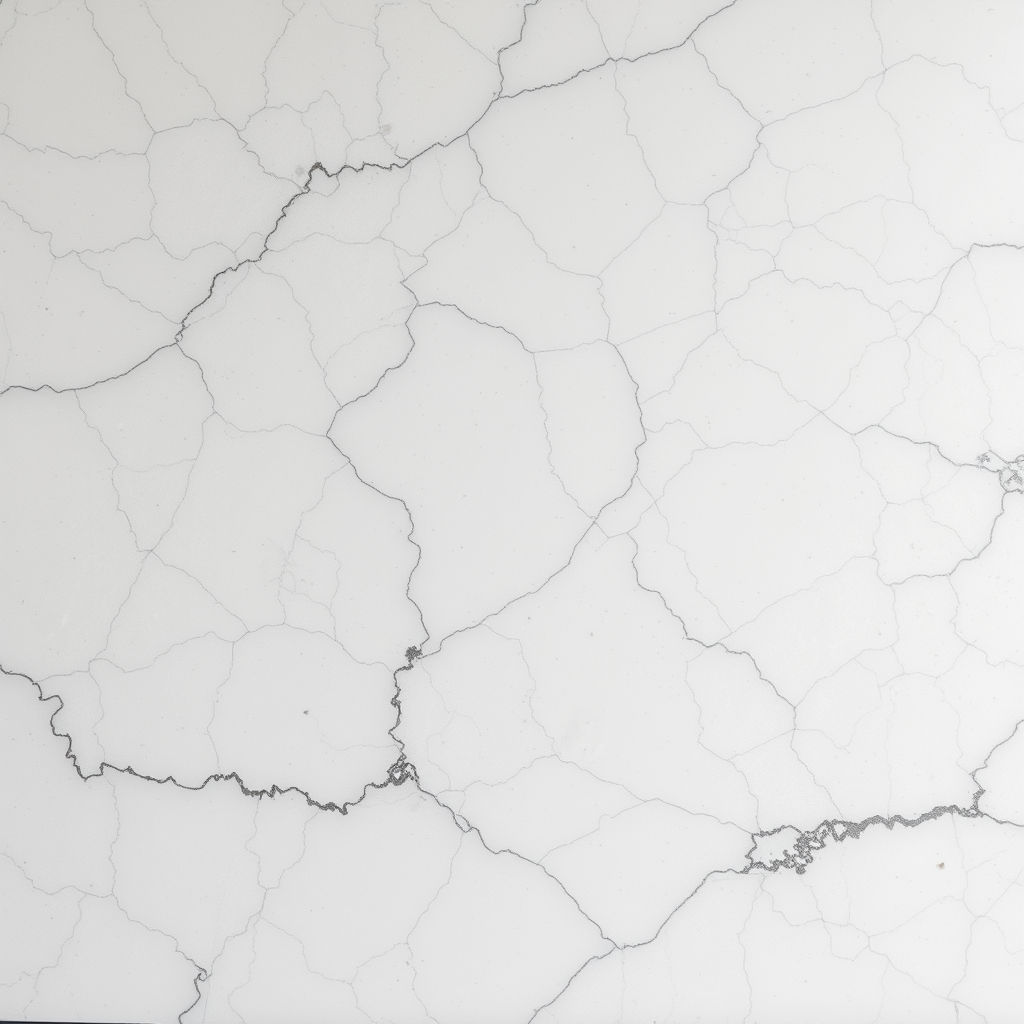


How Caesarstone Burn Mark Repair Really Works

A hot pan placed straight from the cooktop onto a Caesarstone benchtop can leave more than a temporary reminder. The surface may develop a dull patch, yellow-brown discolouration, a roughened texture or, in more serious cases, a crack. Caesarstone burn mark repair is often possible, but the right result depends on whether the heat has affected the surface finish alone or damaged the engineered stone beneath it.
For a premium kitchen benchtop, the goal is not simply to make the mark less obvious. It is to restore the colour, sheen and smooth feel of the affected area as closely as possible, without creating a visibly different patch. That calls for a proper assessment before anyone reaches for an abrasive pad or household cleaner.
What a burn mark can do to Caesarstone
Caesarstone is an engineered stone surface made primarily from quartz with resins, pigments and other materials that bind the slab together. It is highly durable for normal kitchen use, but it is not immune to concentrated heat. A hot pot, pan, baking tray or appliance can cause thermal stress, particularly when heat is applied in one small area.
The visible mark is not always a literal burn. Sometimes it is residue from the base of cookware, oil that has baked onto the surface, or a change to the resin-rich portion of the material. In other cases, heat alters the surface finish and leaves a dull or lighter patch that catches the eye from across the room.
A specialist will look beyond the colour of the mark. They will assess the texture, the depth of the affected area, the benchtop finish, the age of the surface and whether there are any fine cracks radiating from the heat source. These details determine whether a cosmetic restoration is likely to achieve a near-invisible result or whether a more substantial repair is needed.
Is Caesarstone burn mark repair possible?
Many heat marks can be repaired on site, particularly where the damage is limited to a localised surface area. A successful repair may involve carefully removing damaged material, rebuilding the affected section with colour-matched repair compounds, levelling the surface and refining the finish to blend with the surrounding stone.
The outcome depends on the type of damage. A shallow dull patch on a consistent-colour benchtop is generally more straightforward than a deep, dark burn on a heavily patterned design. Veined and marble-look Caesarstone can still be repaired, but matching movement and depth in the pattern requires more time and technical judgement.
Heat cracks need particular attention. A crack can be stabilised and filled, but it is essential to determine why it formed. If the benchtop has been exposed to repeated direct heat, has inadequate support around a cut-out, or is under stress near a join, treating only the visible crack may not be enough.
There are occasions when replacement is the better option, such as extensive damage across a large area, severe distortion around a cooktop cut-out or structural cracking that compromises the slab. That is not the usual starting point, however. A focused repair can often save a sound benchtop from unnecessary replacement work.
Why DIY fixes can make the mark worse
It is understandable to try cleaning first, especially if the mark appears after a busy dinner or a baking day. Start gently with warm water, a soft cloth and a pH-neutral surface cleaner. If the mark lifts, it was likely residue rather than heat damage.
The problem begins when harsh cleaners, scourers, blades, polishing powders or sandpaper are used to chase a mark that will not move. These methods can scratch the surface, flatten the finish or create a larger dull area than the original mark. Strong chemicals may also affect the resin component of engineered stone.
Dry sanding is never a suitable DIY approach. Apart from the risk of permanently damaging the benchtop, any cutting or grinding of engineered stone must be managed correctly by trained professionals using appropriate wet methods and dust controls. A small mark is not worth turning into a larger restoration job.
The professional Caesarstone burn mark repair process
A quality repair begins with diagnosis, not filler. The technician first identifies whether the mark is contamination, surface degradation, a chip caused by thermal shock, or cracking below the surface. Lighting is important at this stage because a repair must look right from different angles, not only when viewed directly overhead.
Once the repair approach is confirmed, the damaged section is prepared with precise, controlled techniques. Any unstable or discoloured material is removed only where necessary. The repair is then built using specialist compounds selected and tinted to suit the benchtop’s base colour, flecks and pattern.
After curing, the repaired area is carefully shaped and finished so it sits flush with the surrounding surface. This is where experience makes the difference. A benchtop can feel smooth yet still show a repair if the gloss level, texture or colour transition is wrong. The final work focuses on reducing that visual contrast and restoring a natural-looking finish.
For patterned surfaces, the repair may involve recreating fine details rather than applying one flat colour. For honed, matte or textured finishes, the technician must match the lower-sheen appearance without leaving a polished spot. There is no one-size-fits-all method for Caesarstone burn mark repair.
ChipFix Stone Benchtop Repairs carries out this work on site across New South Wales, with specialist experience in engineered stone surfaces. Founder Len Ducrou’s former role as NSW Technical Manager for Caesarstone Australia and factory training in Israel bring valuable product knowledge to complex repair decisions.
What to do before arranging a repair
Avoid further direct heat on the affected area and do not cover the mark with a chopping board, mat or appliance while you decide what to do. Covering it can trap moisture and makes it easy to forget that the surface needs attention.
Take a few clear photos in natural light and under kitchen lighting. Include one close image of the mark and one wider image showing its position on the benchtop. If there is a crack, photograph both ends of it and note whether it sits near a cooktop, sink cut-out, join or edge.
It also helps to know the approximate age and colour name of your Caesarstone, although this is not essential. A repair specialist can often identify the surface from photographs or during an on-site assessment. The key is to avoid trial-and-error cleaning or sanding before the damage is inspected.
Preventing another heat mark
The simplest protection is also the most reliable: always use a heatproof trivet for pots, pans, oven trays, slow cookers and air fryers. Do not assume a thick benchtop can absorb sudden heat safely. Concentrated heat can affect a small section even when the rest of the slab remains cool.
Be mindful of portable appliances as well. Some generate sustained heat underneath and can mark a surface over time, particularly if ventilation is restricted. Place them on a suitable heatproof board and follow the appliance manufacturer’s clearance guidance.
If you are planning a new kitchen or replacing a cooktop, make sure cut-outs and supports are completed accurately. Correct fabrication and installation help reduce stress around vulnerable areas, where heat-related cracking is more likely to show.
A burn mark can feel like a major setback when it appears on an otherwise flawless benchtop. In many cases, it is a localised problem with a practical repair path. A prompt specialist assessment gives you the best chance of restoring the surface before an attempted DIY fix turns a small mark into a larger one.


Comments