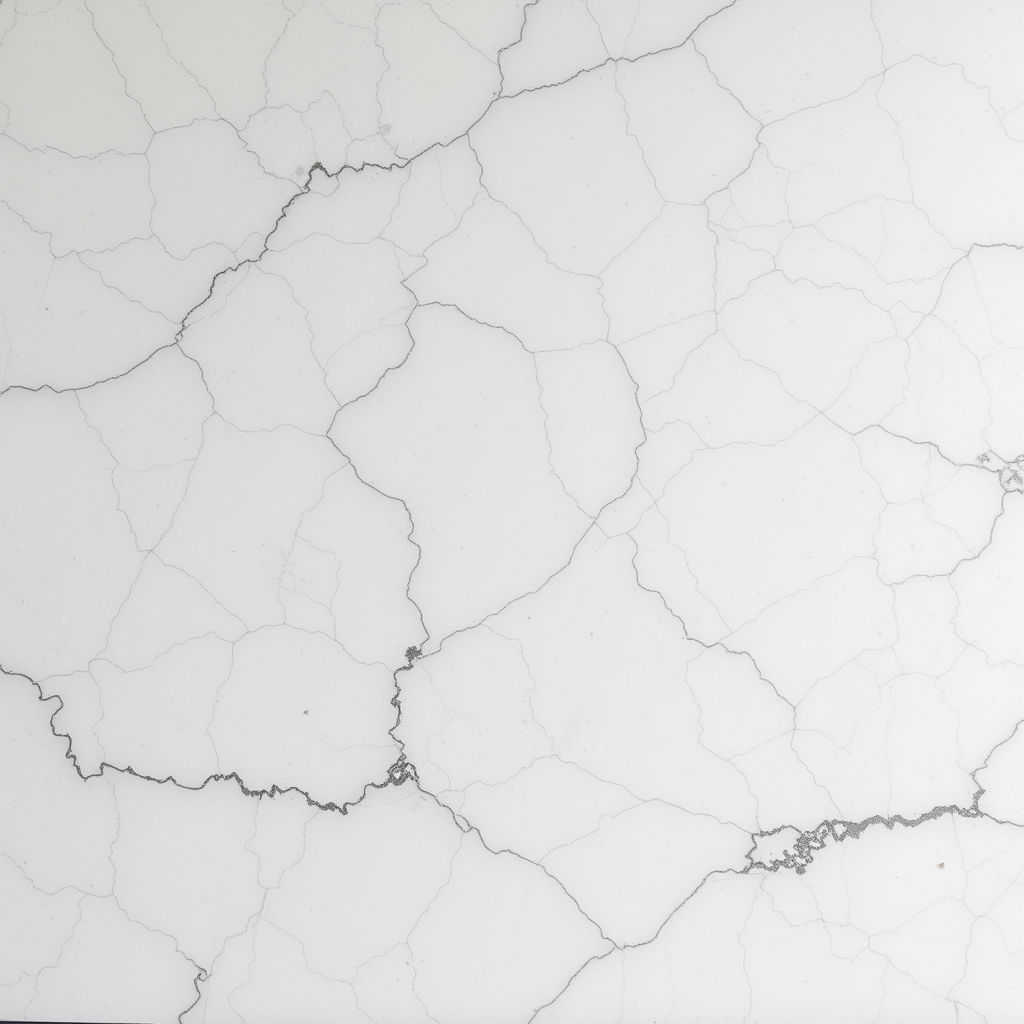


Quartz Restoration: Repair Chips, Cracks and Seams

A chipped quartz benchtop can draw the eye every time you walk into the kitchen. A dark line at a seam, a crack beside the sink or a dull patch around the cooktop can make an otherwise beautiful surface feel tired well before its time. Professional quartz restoration is designed to address those faults on site, preserving the benchtop you chose rather than sending it to landfill and starting again.
For many NSW homeowners, restoration is the practical middle ground between living with visible damage and paying for a full replacement. The right repair can restore both the appearance and everyday usability of the surface, often with a result that is difficult to detect in normal use.
What quartz restoration can repair
Quartz benchtops, often called engineered stone, are made from crushed quartz combined with resins and pigments. They are hard-wearing, but they are not indestructible. A heavy pot dropped on an edge, an overtightened tap fitting, movement around a join or a knock during appliance installation can all leave damage that deserves more than a quick filler from the hardware shop.
A specialist can assess whether the issue is confined to the surface or extends into the structure of the slab. Common repair work includes chips on exposed edges and corners, cracks around sinks and cooktops, separated or discoloured joins, scratches, burn marks, staining and dull or uneven areas. Old silicone lines around sinks and splashbacks can also be removed and replaced where they have become mouldy, loose or unsightly.
The best candidates are localised faults where the overall benchtop remains sound. A repair is not a promise that every serious break will vanish completely. If a slab is badly fractured, moving, warped by water damage or unsupported around a large cut-out, it may require reinforcement, alteration work or partial replacement. An experienced technician should explain that distinction before any work begins.
Why a matching repair takes specialist knowledge
The visible surface of engineered quartz is not one flat colour. Even seemingly plain white benchtops may contain fine flecks, translucent particles, veining and a particular level of sheen. A repair needs to account for all of it. Filling a chip with a product that is merely close in colour can leave a patch that looks obvious in morning sunlight or under pendant lights.
Proper quartz restoration starts with assessing the benchtop's colour, pattern, surface texture and damage depth. The damaged area is carefully prepared, then rebuilt with colour-matched repair materials. For a chip or crack, this may involve building the profile back to the original edge line, curing the repair and refining it in stages. The technician then blends the gloss or matte finish to suit the surrounding surface.
Seams require a different approach. A failed seam is not simply a cosmetic line to cover. The two pieces of stone may need to be brought back into alignment, secured correctly and rejoined with a carefully matched adhesive. If the seam has darkened or opened due to movement, the cause matters as much as the line itself. A lasting repair depends on a stable base, appropriate support and the right preparation.
This is why an invisible or near-invisible result is a skilled restoration outcome, not a one-product fix. It relies on material knowledge, colour work, controlled finishing and an honest assessment of what the damage will allow.
Chips, cracks and edge damage
Small chips are often the most satisfying repairs because they can be dramatically improved without removing the benchtop. The repair must recreate the edge profile, whether it is square, pencil-round or mitred, then blend the colour and polish level. Damage on a highly visible island corner calls for particularly precise colour matching.
Cracks need closer investigation. A hairline crack may be repairable with little visual evidence once stabilised. A crack radiating from a sink or cooktop cut-out can indicate stress from insufficient support, appliance pressure or a benchtop that has moved. Repairing the visible line without dealing with the stress point risks its return.
Seam repairs and renewed lines
A seam that has opened can collect crumbs, moisture and grime, making it look worse over time. Rejoining a seam can restore a cleaner, tighter appearance, but only where the slabs can be safely aligned. In some cases, replacement silicone or epoxy lines are also the finishing detail that makes the whole kitchen look properly cared for again.
When restoration is better than replacement
Replacement is sometimes necessary, but it is rarely the first preference for a small chip, isolated crack or tired seam. Removing an existing stone benchtop can affect splashbacks, cabinetry, plumbing, taps and appliances. Finding an exact match for an older quartz colour may also be impossible if the range has changed or been discontinued.
Restoration avoids much of that disruption. Work can usually be completed on site, with the benchtop remaining in place. It is often faster and more cost-effective than replacement, particularly when the damage is confined to one area. It also prevents a serviceable slab from being discarded because of a fault no larger than a coin.
There are trade-offs. A repaired area may be detectable from a particular angle, in very direct light or when viewed up close, especially on patterned, dark or highly polished surfaces. The aim is a near-original finish that looks right in the room and performs as it should, not an unrealistic claim that every defect can be erased under every condition.
Avoid making the damage worse
Home repair kits can be tempting, particularly for a small chip. The risk is that an incorrect resin, poor colour match or uneven sanding creates a larger, more noticeable repair for a specialist to remove later. Abrasive pads can leave a dull halo, and harsh chemicals can affect the resin component of engineered stone.
Until the area is assessed, avoid scrubbing, sanding or picking at loose material. Keep moisture out of an open seam, especially near a sink, and do not place excessive weight on a cracked section. If the damage is near a sink, cooktop or tap, avoid adjusting fittings yourself, as pressure around a cut-out can worsen an existing crack.
For routine care after repair, use a soft cloth, warm water and a mild pH-neutral cleaner. Wipe spills rather than letting them sit, use a chopping board and keep hot cookware on a trivet. Quartz is durable, but heat shock, hard impacts and aggressive cleaning products can shorten the life of any surface.
What to expect from an on-site assessment
A useful quote begins with clear photographs taken in natural light and from both close range and further back. Include an image that shows the location of the damage in relation to the sink, edge, seam or cooktop. A technician may also ask for the brand or colour of the stone, the age of the installation and whether the damage is getting worse.
On site, the assessment should consider more than the appearance of the fault. The technician will check the condition of the surrounding stone, the support beneath it and whether moisture, movement or appliance pressure has contributed. That diagnosis guides the repair method and helps protect the result.
ChipFix Stone Benchtop Repairs brings specialised engineered-stone experience to this work, including expertise across Caesarstone, Smartstone and other quartz-based surfaces. The focus is not simply filling damage, but restoring the colour, shape and finish as closely as the individual benchtop allows.
A well-restored quartz surface lets the rest of the kitchen take centre stage again. If a chip, crack or seam is bothering you every day, clear photos and a specialist opinion are the sensible first step before considering replacement.


Comments