

Is Benchtop Restoration Better Than Replacement?

A chip beside the sink, a dark line along a join or a crack near the cooktop can make an otherwise beautiful kitchen feel tired overnight. Benchtop restoration is often the sensible answer when the stone itself is still sound and the damage is confined to a repairable area. Rather than removing cabinetry, disconnecting plumbing and replacing an entire slab, a specialist can restore the affected section on site with a finish designed to blend into the surrounding surface.
For homeowners with Caesarstone, Smartstone, quartz, marble or granite, the key is acting before a small defect turns into a larger problem. The right repair protects the appearance of your kitchen or bathroom while avoiding the expense, disruption and risk that can come with full replacement.
What benchtop restoration can repair
Stone benchtops are durable, but they are not indestructible. A heavy pot dropped on an edge, movement around a sink cut-out, impact near a cooktop or years of wear at a seam can all leave visible damage. Restoration is not one generic process. The best method depends on the stone type, the location of the damage and the way light reflects across the surface.
Chips and edge damage are among the most common repairs. A technician rebuilds the damaged area with colour-matched materials, shapes it to the original profile and carefully refines the finish. On a well-executed repair, the goal is not simply to fill the missing piece. It is to make the repair difficult to find in normal use.
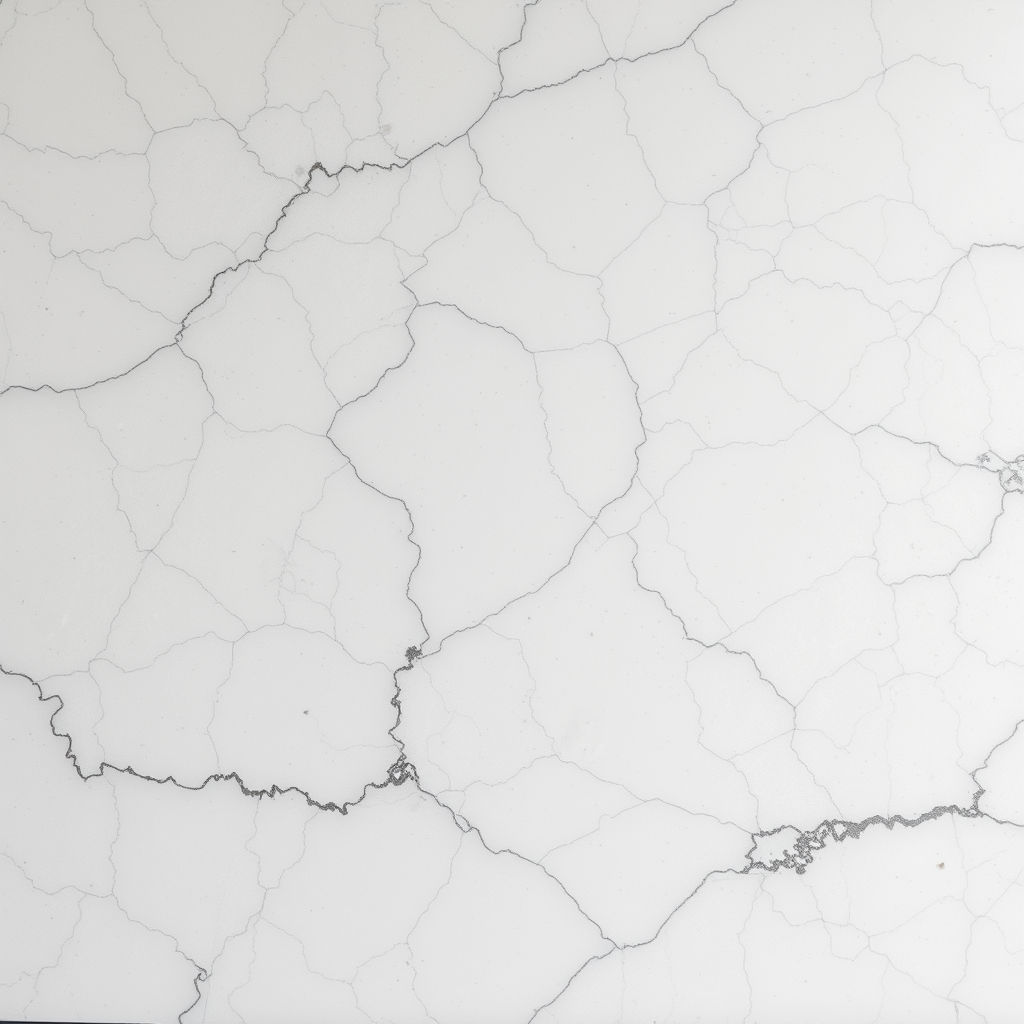
Cracks require more assessment. A fine cosmetic crack can often be stabilised and blended successfully. A crack caused by movement, a weak cabinet base or stress around an appliance cut-out needs the underlying cause considered as well. Repairing the visible line without addressing the stress point may only delay its return.
Failed seams can also be restored. Over time, the adhesive at a join may discolour, shrink, crack or separate slightly. Seam rejoining and replacement of aged epoxy or silicone lines can return a cleaner, more consistent appearance while helping prevent moisture from entering vulnerable areas.
Dull patches, light scratching, staining and etching are another category. Natural marble and some granites can lose their polish or develop marks from acidic products. Engineered stone has different properties and requires a different approach. This is why a one-size-fits-all polishing method is risky - the treatment must suit the material.
When restoration is the better choice
Replacement sounds straightforward until the practical work begins. Benchtops are often integrated with splashbacks, wall tiles, sinks, taps, cooktops and cabinetry. Removing a damaged slab can affect each of those elements. There may be matching issues if the original colour has been discontinued, and new stone batches can vary in pattern and tone.
Restoration is usually the better option when the damage is localised, the slab remains structurally stable and a near-original visual finish is achievable. It is particularly valuable for premium surfaces where replacement would mean disturbing a kitchen that is otherwise in excellent condition.
It can also make sense before selling a home, after tenants move out or during a targeted renovation. A conspicuous chip or stained seam draws attention in photographs and inspections. A professional repair can make the whole room feel better maintained without committing to a full renovation.
That said, restoration is not always the right answer. A benchtop with widespread cracking, major structural failure, extensive heat damage or repeated movement may need replacement or other building work first. An honest assessment should distinguish between damage that can be restored attractively and damage that signals a larger issue.
Why stone type matters
Engineered stone and natural stone may look similar in a finished kitchen, but their composition affects how they should be repaired. Quartz-based engineered stone contains mineral aggregates bound with resin. Caesarstone and Smartstone surfaces, for example, have particular colour structures, patterns and surface finishes that need careful matching.
Marble and granite are natural materials, so veining, porosity and polish can vary across the same slab. A repair may require more than matching colour. It may involve recreating visual movement in the stone and blending the gloss so the restored area does not stand out under downlights or sunlight.
The location matters just as much as the material. An edge chip near a sink is exposed to water and close viewing. A crack around a cooktop may be subject to heat and stress. A mark in the middle of an island bench is visible from several angles. Skilled restoration considers the practical demands of the area, not just the initial appearance.
The difference between a filler and a proper repair
DIY repair kits may seem tempting for a small chip, especially when the damage is on an edge. The trade-off is that an incorrect filler can cure to the wrong colour, sit proud of the surface, yellow over time or create a more obvious patch than the original damage. Sanding or polishing without the right equipment can also change the sheen around the repair.
A professional stone repair is a controlled process. The damaged area is prepared, stabilised where needed and rebuilt using suitable repair compounds. Colour is adjusted for the particular stone rather than selected from a generic shade chart. The repair is then shaped, levelled and finished to suit the surface texture and gloss.
Near-invisible does not mean pretending every repair is identical. Some stones, especially heavily patterned natural slabs, are inherently more complex to blend than plain engineered surfaces. Lighting, viewing distance and the depth of the original damage all affect the final result. A reliable specialist will set clear expectations while aiming for the least visible, most durable repair possible.
What to do before arranging a repair
Avoid scrubbing the damaged area with abrasive pads or applying household sealants, glues or coloured waxes. These products can contaminate the surface and make colour matching more difficult. If a crack has sharp or loose edges, keep heavy items away from it until it is assessed.
For a useful quote, take several clear photos. Include a close-up of the damage, a wider image showing its position on the benchtop and an angled photo that captures the surface finish. Natural daylight is helpful where possible, although a photo under the kitchen lights can reveal whether a defect catches the eye at night. Mention the stone brand if known, the approximate age of the benchtop and whether the damage has changed over time.
It is also worth noting what sits beneath the damage. A crack beside a sink, for instance, may relate to a cut-out or support issue. If the area has been repaired before, say so. Good information allows the technician to plan the right materials and determine whether restoration can be completed in a single visit.
Looking after the restored surface
Once a repair is complete, sensible everyday care helps preserve both the restored area and the rest of the benchtop. Use mild cleaners intended for stone, wipe up spills promptly and avoid harsh chemicals that can affect natural stone or aged seams. Trivets and chopping boards remain worthwhile, even on durable engineered stone, because heat and direct impacts concentrate stress in a small area.
Pay attention to silicone around sinks and to seams near water. Early discolouration or separation is easier to address than water damage beneath the benchtop. Likewise, a fresh chip is generally simpler to restore before repeated use rounds its edges or allows staining into the damaged section.
For NSW homeowners who value a kitchen that looks as good as it functions, specialist restoration offers a practical middle ground between living with damage and replacing a perfectly serviceable benchtop. ChipFix Stone Benchtop Repairs brings technical experience to the details that matter: the stone composition, the cause of the damage and the finish needed for a repair that belongs in the room. A prompt assessment can turn an irritating flaw back into a benchtop you are happy to see every day.


Comments