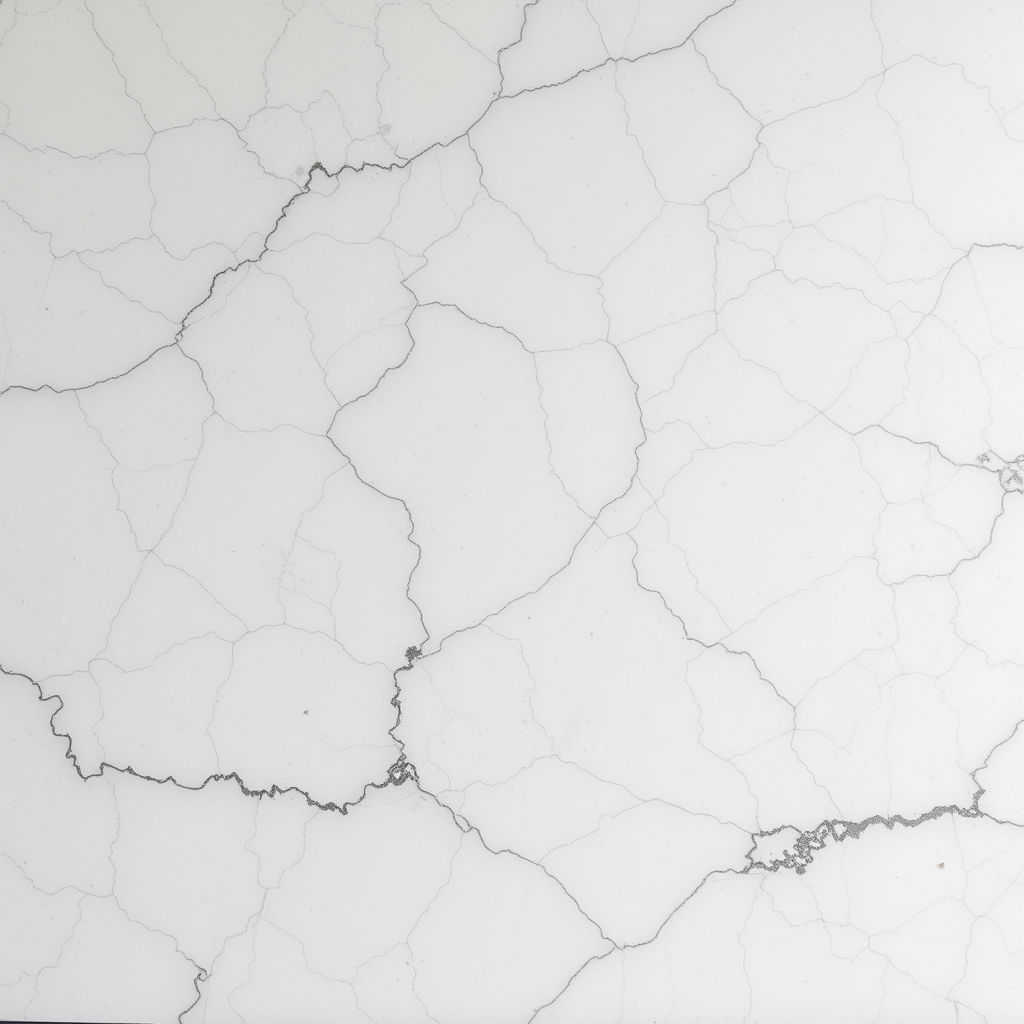


Will Stone Repair Match Colour? What to Expect

A chip beside the sink, a crack near the cooktop or a failed seam can draw your eye every time you walk into the kitchen. The first question most homeowners ask is: will stone repair match colour? In capable hands, a professional repair can blend remarkably well with the surrounding surface. The realistic aim is a near-invisible result that restores the look, feel and day-to-day function of your benchtop without the cost and disruption of replacement.
The final match is never a matter of applying one standard filler. Stone varies by product, colour, pattern, age and finish. A quality repair is built up carefully to suit the specific damage and the surface around it.
Will Stone Repair Match Colour on Every Benchtop?
Most chips, minor cracks, scratches and cosmetic marks can be colour-matched to blend closely with the benchtop. Engineered stone products, including Caesarstone, Smartstone and other quartz-based surfaces, often allow for highly effective repairs because their colour and aggregate pattern are relatively consistent. That does not mean every repair is identical. A plain white surface needs a different approach to a heavily speckled grey or a slab with bold veining.
Natural stone such as marble and granite is more variable again. It may contain fine mineral movement, translucent areas, pits, veins and changes in tone across a single slab. A technician cannot simply make a repair disappear by matching the base colour. They need to recreate the visual character around the damaged area, then refine the sheen so it sits naturally within the finish.
In many cases, the repaired area is difficult to find unless you know exactly where to look. That is the standard homeowners should expect. However, it is worth being cautious of anyone who guarantees that every repair will be completely undetectable in every light, from every angle. Honest advice considers the stone, the damage location and the condition of the benchtop before promising an outcome.
What Determines How Well a Stone Repair Blends?
The type of stone is only one part of the picture. The location and severity of the damage can make a substantial difference. A small chip on a straight polished edge is usually more straightforward to blend than a large impact break across a prominent waterfall end or a crack running through dramatic marble veining.
Colour depth matters too. Dark stones can show a slight difference in gloss or texture more readily under direct lighting. Very light and solid-colour engineered stone can make a poorly selected filler stand out. Patterned surfaces require careful pigment work and, where needed, the recreation of fine flecks or movement rather than a single flat shade.
The benchtop finish is equally important. Polished stone reflects light, so the repaired section must be level and polished correctly. Honed, matte, leathered or textured finishes need their own methods to avoid a glossy patch or a repair that feels noticeably smoother than the surrounding stone.
Lighting is often the final test. Morning sun across an island bench, LED strip lighting beneath overhead cupboards and warm pendant lights can each reveal colour differently. A skilled repairer assesses the stone under the conditions available on site, rather than relying on a colour sample viewed elsewhere.
Why Colour Matching Is a Skilled Process
Good stone repair is a controlled restoration process, not a quick patch. The damaged area must first be cleaned and prepared so the repair material can bond properly. Loose fragments, contaminants and weakened material need to be dealt with before any colour work begins. Skipping this stage may produce a fast cosmetic improvement, but it can leave the repair vulnerable to staining, movement or failure.
The repair compound is then custom tinted. Depending on the stone, this can involve combining pigments and stone-like aggregate to match the background colour, density and visual texture. For a chip on a speckled engineered stone, the repair may need tiny variations to avoid looking like one solid dot. With marble, a technician may also need to work carefully with the direction and character of nearby veining.
Once the colour is built, the repair is shaped flush with the surrounding surface. The final refinement is what separates a noticeable patch from a convincing repair. Edges are blended, the surface is finished to the correct sheen, and the repair is checked for both appearance and feel. On a benchtop, your hand should not catch on a repaired chip every time you wipe it down.
This work is particularly important around sinks, cooktops and joins, where water, heat changes and regular cleaning place extra demands on the surface. A repair needs to look right, but it also needs to be sound enough for normal household use.
When a Perfect Match Is Less Likely
There are occasions when even a well-executed repair may remain faintly visible. Extensive damage is one example, especially where stone has been lost from a large area or an edge profile needs rebuilding. The more repair material required, the harder it can be to recreate a complex natural pattern perfectly.
Old stains and sun exposure can also affect the result. A benchtop that has changed slightly over time may no longer match its original colour. This is more common with some natural stones and in areas exposed to strong sunlight. The repair should be matched to the stone as it appears now, not necessarily to the manufacturer’s original sample.
Previous DIY attempts can create another challenge. Superglue, silicone, epoxy and household fillers may discolour, penetrate the stone or interfere with adhesion. They can often be removed or improved, but a technician needs to inspect the area before confirming what can be achieved.
Cracks deserve special attention. Colour matching is only one part of a crack repair. The underlying cause must be considered, whether it is movement in the cabinetry, inadequate support around a cut-out, impact damage or stress at a seam. If that issue remains, a cosmetically excellent repair may be placed under pressure again.
How to Give Your Repair the Best Chance of Blending
Avoid experimenting with off-the-shelf repair kits before seeking advice. These products are rarely designed to match premium stone accurately, and they can make a later professional repair more involved. Do not use abrasive pads, bleach-based cleaners or aggressive solvents in an effort to remove the mark either. A chip or crack may look worse after surrounding polish or colour has been affected.
For an accurate assessment, take clear photos from a short distance and close up. Include one image showing the location on the full benchtop, then a few in natural light from different angles. If the stone has a brand name or leftover offcut, keep that information handy. It can assist with identifying the material, though an on-site inspection remains the best way to assess condition and finish.
If a loose piece has come away from the benchtop, place it somewhere safe rather than throwing it out. In some cases, retaining the original fragment provides the best possible match for shape, texture and colour.
Repair or Replacement: Which Makes More Sense?
Replacement can be necessary when a benchtop is severely fractured, structurally unsound or damaged across a large and highly visible area. It may also be considered where the original stone is no longer available and a major section cannot be blended satisfactorily.
For localised chips, small cracks, worn seams, minor staining and surface marks, repair is often the more practical option. It avoids removing splashbacks, plumbing fixtures, appliances and cabinetry just to address one damaged section. It also preserves a matching slab that may be difficult or impossible to source years after installation.
A specialist should explain the likely finish before work begins, including any limitations caused by the stone or damage. That clarity matters. The best outcome is not an exaggerated promise. It is a repair that looks natural in your home and restores confidence in a surface you have already invested in.
At ChipFix Stone Benchtop Repairs, the focus is on that careful balance of colour, texture, strength and finish. If your benchtop damage is bothering you every day, clear photos and a professional assessment are the sensible first step towards making it far less noticeable.


Comments