

How to Polish Cloudy Granite Benchtops Safely

A granite benchtop can look cloudy even when it is perfectly clean. The white or grey haze may be a simple film left behind by cleaning products, but it can also signal worn polish, mineral deposits, heat damage or surface abrasion. Knowing how to polish cloudy granite starts with identifying which one you are dealing with. Applying a polish to the wrong problem can lock in the haze or create an uneven shine.
Granite is a hard natural stone, but it is not maintenance-free. Its appearance depends on the condition of its polished surface, the quality of its sealer and the products used on it every day. A careful approach can bring back clarity. Where the finish itself has been damaged, professional restoration is the safer path to an even, near-original result.
First, work out why the granite looks cloudy
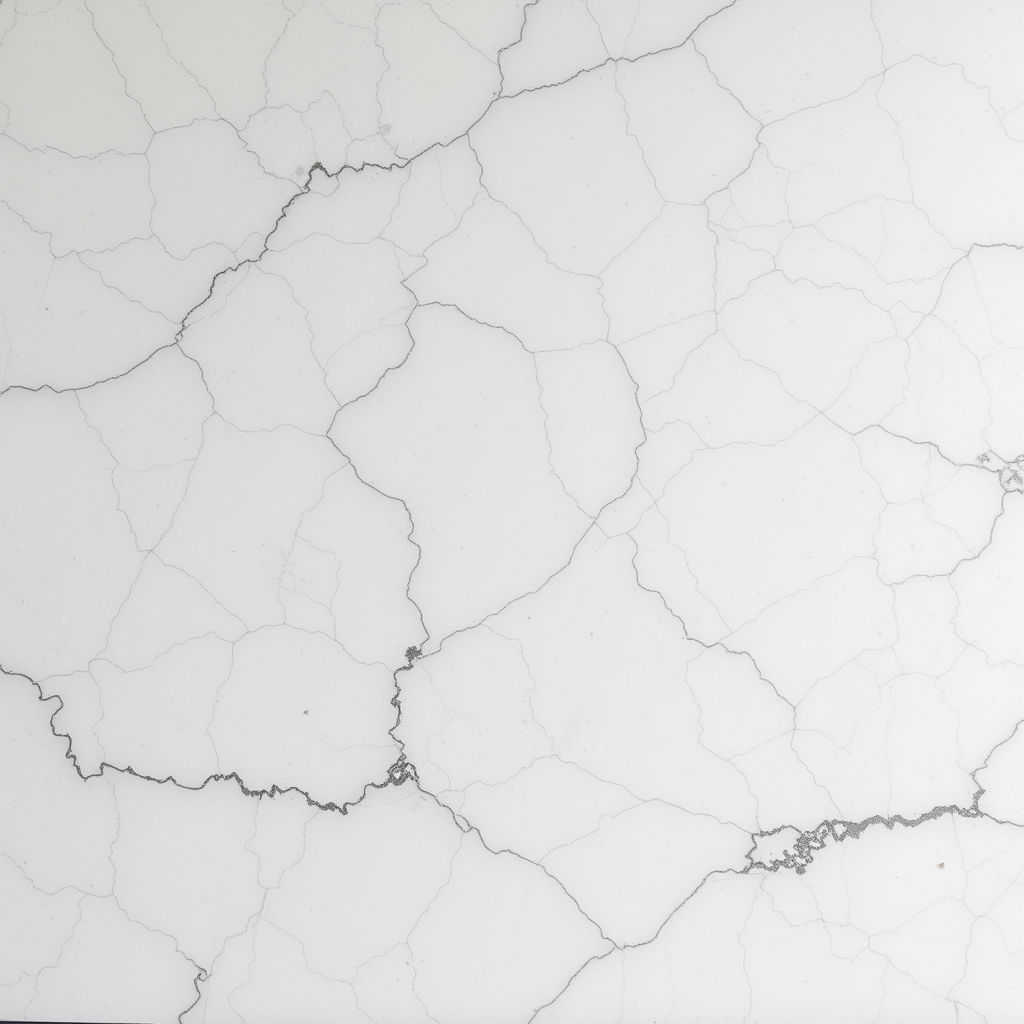
Cloudiness is often most obvious when light runs across the benchtop near a window or pendant light. Look at the surface from several angles before reaching for any product. If the haze appears in broad patches around the sink, cooktop or draining area, residue or mineral build-up is likely. If it follows fine scratches, looks dull in traffic areas or has a different sheen to the rest of the slab, the polish may have been worn down.
The most common cause is cleaning-product residue. Spray cleaners, dishwashing liquid, disinfectants and some stone cleaners can leave a thin film, particularly when they are sprayed directly onto the stone and not rinsed thoroughly. Hard water can create a similar dull layer around taps and sinks.
Clouding can also result from abrasive powders, scourers and rough cleaning pads. While granite is tougher than marble, repeated abrasion can alter the reflection of a polished finish. A very hot pan can sometimes affect the surface treatment or leave a localised change in sheen. In these cases, a bottled countertop polish is unlikely to correct the problem.
How to polish cloudy granite when it is only residue
Start with the least aggressive method. Remove everything from the benchtop, then wipe away crumbs and grit with a soft, damp microfibre cloth. Grit matters because rubbing it around can create fine scratches that make the surface look even duller.
Mix a small amount of pH-neutral stone cleaner with clean water according to the label directions. Apply it to the cloth rather than flooding the benchtop, then clean a manageable section at a time. Follow with a second cloth dampened with plain water to remove any cleaner left behind. Dry and buff the surface with a fresh, dry microfibre cloth.
This rinse-and-dry stage is where many homeowners see the difference. Granite can look streaky or hazy simply because product has dried on the surface. Buffing while the stone is still wet can also leave marks, so use a dry cloth and light pressure.
For light mineral residue around the sink, use a stone-safe limescale product specifically approved for natural granite. Test it first in an inconspicuous spot, use it sparingly and rinse the area completely. Avoid assuming that a product labelled for bathrooms is safe for stone. Many general descalers contain acids that can attack the minerals, fillers or surrounding grout and silicone.
Once the surface is clean and dry, assess it again in natural light. If the cloudiness has lifted evenly, no further polishing may be needed.
Do not use household shortcuts on granite
It is tempting to treat a cloudy benchtop as though it were glass, stainless steel or a tiled splashback. Granite needs a more considered approach. Skip vinegar, lemon juice, bathroom descaler, bleach, oven cleaner and any powdered cleaner. These products may cause surface damage, affect sealers or leave an unpredictable finish.
Also avoid steel wool, green scourers and abrasive cream cleaners. They can leave micro-scratches that scatter light across the benchtop, creating the very haze you are trying to remove. Wax-based furniture polishes are another poor choice. They can make a surface look glossy briefly, then collect residue and leave it looking patchy after repeated cleaning.
A common mistake is applying a granite polish straight over an unclean surface. Most consumer polishes improve slip and shine temporarily, but they do not level out genuine etching, scratches or a worn factory polish. If the cloudiness returns as soon as the product wears off, the issue is below the surface rather than on it.
When polishing will not fix cloudy granite
If one section stays dull after careful cleaning, compare it to an unaffected area beside it. Run your fingers gently over both sections. A dull patch that feels smoother but reflects light differently may have suffered heat or chemical exposure. A patch with a slightly rough feel may have mineral build-up, abrasion or surface damage.
Granite can contain a range of minerals, and each slab responds differently to damage and restoration. Dark granite often shows swirl marks and uneven gloss more readily than pale or heavily patterned stone. Honed granite is designed to have a low-sheen finish, so trying to make it highly reflective can create blotchy areas. This is why broad DIY polishing across a whole benchtop is risky.
Professional stone polishing uses controlled abrasives, specialist compounds and machinery to refine the affected area and blend the sheen with the surrounding stone. The process is not simply about making the surface shiny. It is about restoring clarity without leaving a visible repair edge, dip or mismatch in gloss.
Where the cloudiness sits beside a crack, chip, failed seam or damaged silicone line, treat it as part of a wider repair issue. Moisture and cleaning chemicals can enter compromised areas, and a cosmetic polish alone will not restore the integrity of the benchtop.
Sealer is protection, not a substitute for polish
Granite sealers are often misunderstood. A penetrating sealer helps slow the absorption of oils, coloured liquids and moisture into porous stone. It does not create the polished finish, remove haze or repair scratches. If water darkens the granite quickly or oil leaves a shadow after cleaning, the stone may benefit from resealing once it has been properly cleaned and dried.
A simple check is to place a few drops of water on an inconspicuous part of the benchtop. If the water beads and remains on the surface for several minutes, the sealer may still be doing its job. If it darkens the stone quickly, arrange an assessment before applying more product. Stone varies in density, and over-applying sealer can leave a streaky or tacky film that looks like cloudiness.
Everyday habits that keep the finish clear
The best way to preserve polished granite is uncomplicated: clean spills promptly, use a pH-neutral cleaner only when needed, rinse away product residue and dry the benchtop after cleaning. For daily wipe-downs, warm water and a clean microfibre cloth are often enough.
Use trivets under very hot cookware and boards under knives, even though granite is hard. Do not drag ceramic pots, cast-iron cookware or small appliances across the surface. These habits protect the polish from fine abrasion and prevent localised dull marks that are difficult to blend later.
If the benchtop has a persistent cloudy patch, visible swirl marks or an uneven sheen after cleaning, take clear photos in good side lighting before trying more products. A specialist can usually assess whether the issue is residue, sealing, heat exposure or damaged polish and recommend the right repair. ChipFix Stone Benchtop Repairs can restore many worn or damaged stone surfaces on site, with the aim of blending the repaired area into the surrounding finish.
A clear granite surface should reflect light evenly, not merely look glossy for a day. Treat the cause rather than covering the symptom, and your benchtop has the best chance of retaining the finish you invested in.


Comments