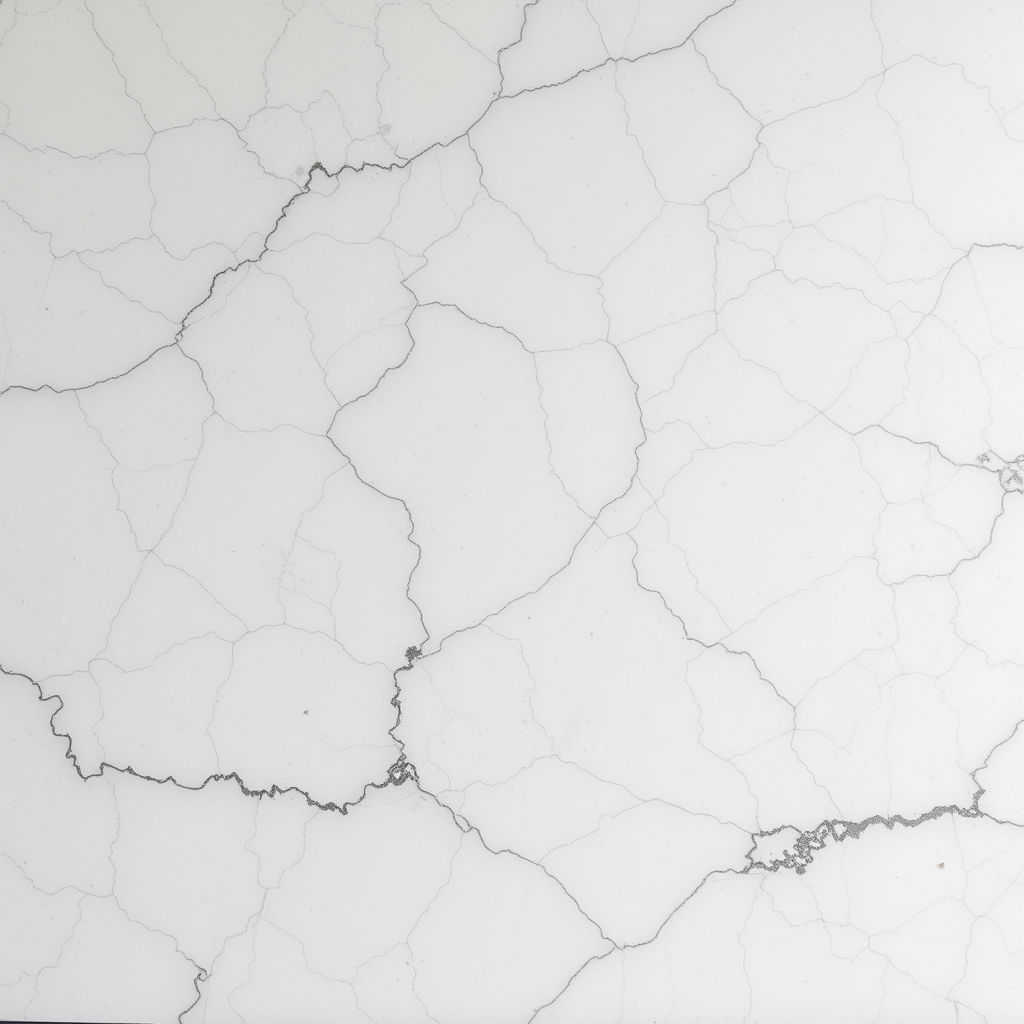


How to Remove Stone Benchtop Stains Safely

A red wine ring beside the sink, a turmeric mark that will not shift, or a dull patch where a cleaner sat too long can make an otherwise beautiful kitchen feel worn. Knowing how to remove stone benchtop stains starts with one key point: not every mark is actually a stain, and the wrong cleaning method can make it more noticeable.
Premium stone surfaces such as Caesarstone, Smartstone, marble, granite and quartz-based benchtops all need a considered approach. A quick response often prevents permanent damage, but harsh products, aggressive scrubbing and home remedies found online can dull the surface, damage the sealer or alter the polish.
How to remove stone benchtop stains safely
Before applying anything, identify the benchtop material and look closely at the mark. Engineered stone is generally non-porous and resistant to everyday staining, while natural stones such as marble and granite can absorb liquids if their protective sealer has worn down. That difference matters.
Start with warm water, a soft microfibre cloth and a pH-neutral stone cleaner. Wipe the affected area gently, then dry it with a clean cloth rather than allowing water to air-dry. This is often enough for fresh food residue, drink spills, grease and everyday kitchen marks.
If the mark remains, avoid reaching immediately for bleach, oven cleaner, acidic products or abrasive scouring pads. These can create a dull patch, remove surface protection or leave fine scratches that catch the light. A benchtop may look clean when wet, then reveal the damage once dry.
For a stubborn mark on engineered stone, use a non-abrasive cream cleaner only if it is approved by the benchtop manufacturer. Apply a small amount to a damp soft cloth, work in a small circular motion with light pressure, rinse thoroughly and dry. Always test an inconspicuous area first, particularly near a wall or underneath an overhang.
Natural stone needs more caution. Marble is especially vulnerable to acidic substances such as lemon juice, vinegar, wine and some bathroom products. Granite is tougher, but its performance depends heavily on whether it has been correctly sealed and maintained. When in doubt, use only a stone-safe cleaner and seek advice before attempting stronger treatments.
First, work out whether it is a stain or surface damage
A true stain is discolouration caused by something entering or sitting on the stone. Coffee, oil, cooking sauces, cosmetics, hair dye and coloured drinks are common culprits. The mark usually has colour and may look slightly darker than the surrounding surface.
Etching is different. It occurs when an acidic substance reacts with calcium-based natural stone, most often marble. Instead of a coloured mark, etching appears as a pale, cloudy or dull patch. It may feel smooth, but the shine has been disrupted. No amount of ordinary cleaning will restore that polished finish because the issue is physical surface damage, not dirt.
Heat damage, chemical damage and worn polish can also be mistaken for staining. On engineered stone, a hot pan or strong chemical may leave a faded, rough or discoloured area. On natural stone, an old spill may have both stained and etched the surface. These situations usually need professional restoration rather than more cleaning.
Treat fresh spills before they settle
The simplest protection is quick action. Blot a spill straight away with paper towel or a clean cloth. Do not wipe coloured liquids across the benchtop, as this spreads the spill over a larger area. Follow with warm water and a pH-neutral cleaner, then dry the surface.
Oil-based spills deserve particular attention on natural stone. Cooking oil, greasy food and cosmetics can migrate into a porous surface if left in place. Lift the residue first, clean gently and avoid flooding the area with water. If a shadow remains after cleaning, it may be absorbed staining rather than surface residue.
Be careful with common DIY stain remedies
Many household cleaning suggestions are not suitable for stone. Vinegar and lemon are popular natural cleaners, but they can etch marble and other calcium-based stone. Bleach can affect colour and surface protection. Cream cleansers and melamine sponges may be too abrasive if used heavily or repeatedly.
Bicarbonate of soda is often suggested as a paste for natural stone, but it is not a universal answer. Used incorrectly, it can leave residue, alter the appearance of a honed finish or fail to address the actual problem. A poultice can sometimes draw deep staining from certain natural stones, but the correct material and dwell time depend on the stain type and stone composition. This is where trial-and-error can become expensive.
If you are considering any treatment beyond gentle cleaning, check the manufacturer’s care instructions for your particular surface. Product names alone do not tell the full story, as different slabs can have different finishes, sealers and resin content.
What to do with specific benchtop marks
For food, drink and everyday cooking marks, a stone-safe cleaner and soft cloth are the right first response. Repeat once if necessary, but do not keep scrubbing a single spot aggressively.
For sticky adhesive, silicone residue or paint splashes, carefully lift the excess with a plastic scraper held flat to the surface. Never use a metal blade unless the stone manufacturer specifically permits it and you are confident in the technique. Finish by cleaning the area with an approved product and drying it well.
For hard-water marks around taps, mild stone-safe cleaning is preferable to acidic bathroom cleaners. If the white or cloudy mark will not move, it may be mineral build-up, etched stone or a deteriorating sealer. Each needs a different remedy.
For oily shadows, dark cosmetic marks, rust spots or dye transfer on natural stone, stop before using stronger chemicals. These can be deep-set stains, and successful removal may require a professional poultice treatment, re-polishing or resealing. The best result depends on the stone, the age of the mark and what caused it.
When cleaning is no longer the answer
A stain that has not improved after careful cleaning should not be attacked with progressively harsher products. This is how a small mark can turn into an obvious dull area, a scratched patch or a larger repair job.
Professional assessment is worthwhile when the surface has lost its polish, feels rough, has changed colour, shows ring marks from acidic spills, or has staining around cracks and joins. It is also sensible where a benchtop has failed silicone, damaged epoxy lines or visible seams, since moisture can find its way into these vulnerable areas.
A stone restoration specialist can identify whether the mark is contamination, etching, heat damage, surface wear or a manufacturing-related issue. The repair may involve targeted stain treatment, polishing, honing, sealing or colour-matched cosmetic restoration. The goal is not simply to make the mark less obvious, but to restore the surface as close as possible to its original appearance.
At ChipFix Stone Benchtop Repairs, this diagnosis is central to achieving a near-invisible result. Different stone products respond differently, and a correct assessment avoids unnecessary replacement of an otherwise sound benchtop.
Keep stains from returning
Daily care is uncomplicated: use mild stone-safe products, wipe spills promptly and keep abrasive powders and harsh chemicals out of the cleaning cupboard. Use trivets under hot cookware, chopping boards for food preparation and coasters beneath strongly coloured drinks.
Natural stone may also need resealing over time, particularly in busy kitchens and bathrooms. Sealer does not make stone stain-proof, but it gives you more time to deal with spills before they penetrate. If water no longer beads on the surface, or the stone darkens quickly when wet, it may be time to have its protection assessed.
A well-maintained stone benchtop should look like a feature of the home, not a cleaning problem. Treat marks early, use the mildest effective method, and let a specialist handle anything that has changed the finish rather than simply sitting on it.


Comments