

Choosing the Right Benchtop Repair Specialist

A chipped edge beside the sink, a crack running from a cooktop cut-out or a darkened seam can make an otherwise beautiful kitchen feel unfinished. The right repair may save the cost, disruption and waste of replacing an entire slab. But choosing a benchtop repair specialist is not simply a matter of finding someone who can fill a mark. Stone repair depends on accurate diagnosis, compatible materials and the skill to recreate the surface around the damage.
For premium engineered stone, marble, granite and quartz surfaces, the difference between a quick cosmetic patch and a near-invisible restoration is often clear in daylight. A good specialist protects both the appearance and practical performance of your benchtop.
Start with stone-specific experience
Stone benchtops are not interchangeable. Engineered stone products such as Caesarstone and Smartstone have a different composition, colour structure and finish from natural marble or granite. Even two light-coloured surfaces can require completely different pigments, bonding products and polishing methods.
Ask what materials the repairer works with regularly and whether they have experience with your particular type of benchtop. A specialist should be comfortable explaining whether the damage is a chip, crack, failed seam, stain, surface burn or movement issue, and what that diagnosis means for the repair.
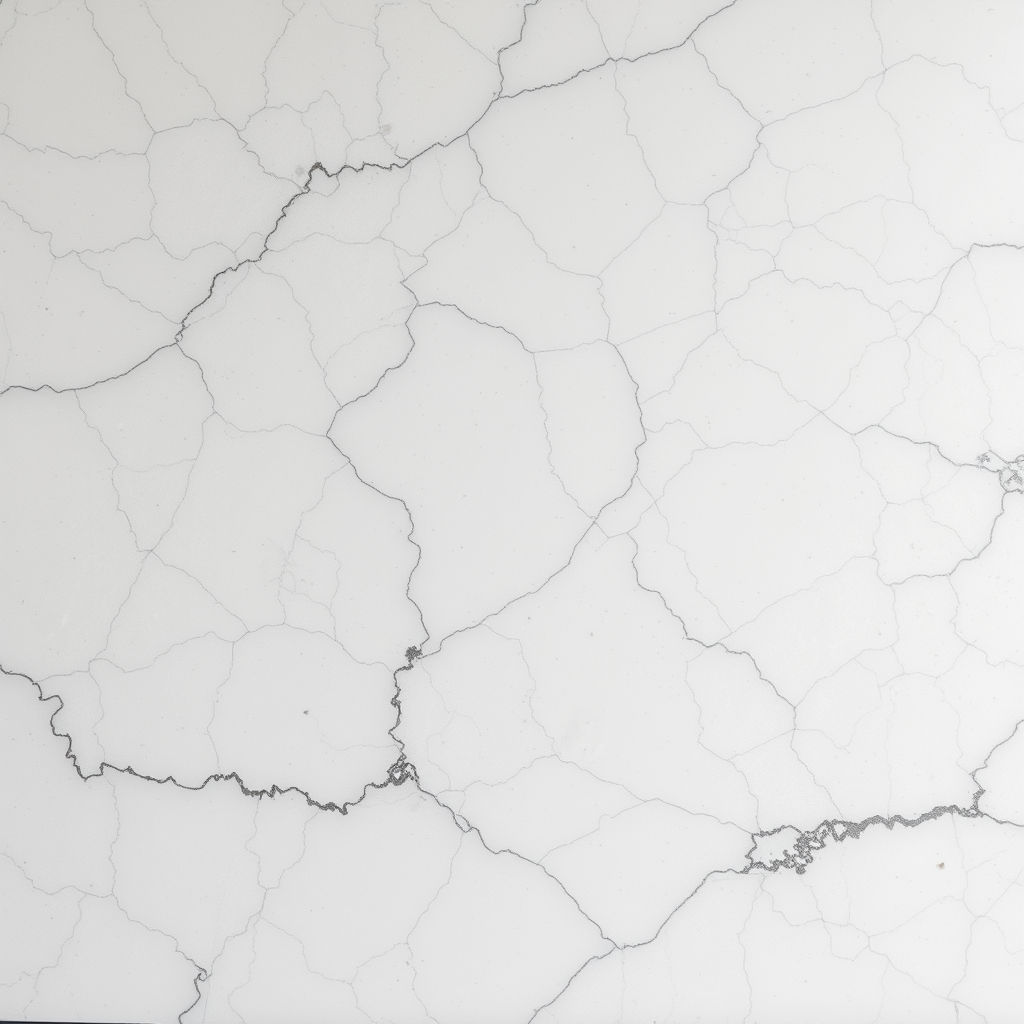
This matters most with cracks. A crack near a sink, cooktop, dishwasher opening or join may indicate that the stone has been placed under stress. Filling the visible line without addressing the cause can leave you with the same problem again. In some cases, the cabinet support, cut-out geometry or appliance clearance needs attention as part of a lasting repair.
Credentials are practical proof
Training and industry experience are worth looking for, particularly when the benchtop is a high-value surface. Repairing stone successfully requires knowledge of resin systems, stone movement, edge profiles, polishing and colour matching. Credentials are not just a marketing extra - they help indicate whether a technician understands how the material behaves.
Look for a business that can point to genuine technical experience with engineered and natural stone, rather than treating benchtop repairs as a small add-on to general handyman work. For example, ChipFix Stone Benchtop Repairs is led by a former NSW Technical Manager for Caesarstone Australia with factory training in Israel. That type of background is relevant because it comes from working closely with engineered stone products and their technical requirements.
Ask how the repair will be matched to the finish
A repair is judged by more than whether the damaged area feels smooth. Colour, sheen, pattern and texture all need to sit naturally with the surrounding stone. This is particularly challenging on veined marble-look surfaces, darker engineered stone and highly polished granite, where even a slight mismatch can catch the eye.
A capable repair specialist will not promise that every repair disappears under every light. The position of the damage, the pattern in the slab and the extent of material loss affect what is achievable. They should, however, explain the expected visual result honestly and aim for a finish that is difficult to notice in normal use.
Ask whether the technician custom tints repair compounds on site, rather than relying on a generic white, grey or black filler. For a chip on a patterned surface, matching the base colour alone may not be enough. Fine flecks, veins and changes in gloss often need to be considered as well.
Polishing must suit the surface
Polishing is where many repairs either blend in or stand out. A glossy engineered stone top needs a different approach from honed marble or leathered granite. Over-polishing a small area can create a shiny halo; under-finishing it can leave a dull patch that attracts attention.
The repairer should assess the existing finish before starting and use controlled methods to bring the repaired section as close as possible to the surrounding surface. This is also why a test area or clear discussion about finish expectations can be worthwhile when the damage is in a highly visible position.
Check whether the repair is completed on site
For most chips, cracks, seams and cosmetic defects, on-site repair is the practical option. It avoids the risks involved in removing a large stone slab and means you do not have to coordinate new templating, fabrication, plumbing and installation simply because of localised damage.
That said, convenience should not mean rushing. Ask how long the repair is likely to take, whether the area needs to remain unused while products cure, and what preparation is required before the technician arrives. You may need to clear items from the benchtop, provide access to power and keep children or pets away from the work area.
A professional mobile service should also take care to contain dust and protect cabinetry, splashbacks, flooring and appliances. Some work, such as wet-cut alterations for a new sink, tap or cooktop, involves more preparation than a small chip repair. The right method depends on the job.
Compare the scope, not just the quote
The lowest quote can be tempting, especially when the damage appears small. Yet a low price may reflect a basic fill with limited colour matching, no assessment of the underlying issue or no allowance for polishing and finishing. It can cost more to correct an obvious repair than to have it done properly the first time.
When comparing quotes, make sure you are comparing the same scope of work. A clear quote should identify the type of damage, the repair approach and any associated work, such as seam rejoining, silicone replacement, epoxy line replacement, cleaning or rejuvenation.
Photos are usually the fastest way to receive an initial assessment. Take one wider photo to show the benchtop and location, then close-up images from more than one angle. Include a photo in natural light where possible, and mention the stone brand or material if you know it. A repairer may still need to inspect the surface in person before confirming the final approach, particularly for structural cracks or seam issues.
Look for evidence of careful workmanship
Before-and-after photos can be useful, but look beyond the most dramatic images. Pay attention to whether repaired areas appear level, whether the gloss is consistent and whether edges have been rebuilt cleanly. Reviews can also reveal how a business communicates, arrives, protects the home and handles expectations when a repair is more complex than first expected.
A dependable specialist will be direct about limitations. Deep cracks, extensive staining, heat damage and stone that has shifted significantly may need a different solution, or a repair that improves the appearance rather than making the damage completely invisible. Honest advice is a better sign than a guaranteed outcome that ignores the condition of the stone.
Choose someone who understands the cause
The best benchtop repair is not only about restoring what you can see. It should also consider why the damage occurred. Chips may come from a dropped pot or hard impact. Cracks can be linked to insufficient support, stress around cut-outs or movement in the cabinetry. Failed seams may result from ageing adhesives, water exposure or movement over time.
This diagnostic approach is especially valuable before renovating around an existing benchtop. If you are changing a sink, installing a new cooktop or replacing a tap, precise alterations and appropriate support can help prevent fresh stress on the stone. A specialist who understands repair and modification can advise on what is feasible before work begins.
A quality repair brings a damaged benchtop back into the room rather than leaving your eye drawn to the flaw each time you walk past it. Choose a specialist with material knowledge, a careful matching process and the confidence to give you a realistic assessment. Your stone surface has already earned its place in the home - it deserves workmanship that helps it keep it.


Comments